

Emergency & Help
24/7 Emergency & General Advisory
🚨 24/7 Medical Emergency
Non-Emergency Advisory
10:00 AM – 6:00 PM, Mon–Sat
For appointments & general queries.
24/7 Emergency & General Advisory
🚨 24/7 Medical Emergency
Non-Emergency Advisory
10:00 AM – 6:00 PM, Mon–Sat
For appointments & general queries.
A comprehensive guide for Indian parents on understanding and supporting gender-affirming care for their children, covering different age groups and available resources.

As a parent or guardian, ensuring your child feels safe, accepted, and valued is paramount. For children who are gender expansive or transgender, this means understanding and supporting their journey with gender-affirming care. This guide aims to provide clear, practical information for Indian parents navigating this path, outlining what gender-affirming care typically entails at different stages of development, from early childhood through adolescence.
Gender-affirming care is a range of social, psychological, and medical interventions that support a person’s gender identity. It is not a one-size-fits-all approach; rather, it is tailored to the individual needs and developmental stage of the child or adolescent. The primary goal is to alleviate gender dysphoria – the distress a person may feel due to a mismatch between their gender identity and their sex assigned at birth – and to promote overall well-being.
For very young children, medical interventions are typically not the focus. Instead, the emphasis is on positive exploration and social transitioning. This can include:
Social transitioning can be incredibly impactful for young children, helping them feel seen and validated. It is important to remember that gender identity can be fluid in early childhood, and the focus should be on supporting the child’s current expression and feelings.
Puberty brings significant physical changes, including the development of secondary sex characteristics like voice deepening, body hair, and breast development. For transgender and gender expansive youth, these changes can sometimes feel incongruent with their internal sense of self, potentially leading to increased gender dysphoria.
Puberty Blockers:
For adolescents who have gone through puberty and continue to experience significant gender dysphoria, hormone therapy is often the leading medical treatment. This is also known as Gender Affirming Hormone Therapy (GAHT).
Hormone Therapy (GAHT):
Surgical Interventions:
Navigating gender identity can be a complex journey for both the child and the family. Mental health professionals play a crucial role in providing support throughout this process.
Research consistently shows that gender-expansive youth who receive support for their gender identity have mental health outcomes comparable to their cisgender peers. Affirmation and acceptance are key protective factors.
Finding knowledgeable and affirming healthcare providers is essential. Here are some resources that can help:
If your child already has a pediatrician they trust, consider having an open conversation with them about your child’s gender identity. Before an appointment, you might want to:
Based on this conversation, you can decide whether to continue care with your current pediatrician or seek a new, more affirming clinician.
It is advisable to consult with a healthcare professional specializing in gender-affirming care if:
While gender dysphoria itself is not something to be 'prevented', the negative impacts of unaddressed dysphoria can be mitigated through timely and appropriate gender-affirming care. The focus on prevention in this context is about preventing mental health crises, such as depression and suicidality, by ensuring access to supportive environments and medical care when needed.
As a parent or guardian, your support is one of the most critical factors in your child’s well-being. By educating yourself, seeking affirming healthcare, and fostering an environment of love and acceptance, you can help your gender-expansive child thrive. Remember that this is a journey, and seeking professional guidance from therapists and medical experts is a sign of strength and commitment to your child’s happiness and health.
This section adds practical context and preventive advice to help readers make informed healthcare decisions. It is important to verify symptoms early, consult qualified doctors, and avoid self-medication for persistent health issues.
Maintaining healthy routines, following prescribed treatment plans, and attending regular checkups can improve outcomes. If symptoms worsen or red-flag signs appear, immediate medical evaluation is recommended.
Track symptoms and duration.
Follow diagnosis and treatment from a licensed practitioner.
Review medication side effects with your doctor.
Seek urgent care for severe warning signs.
Visit Hospital
Near You
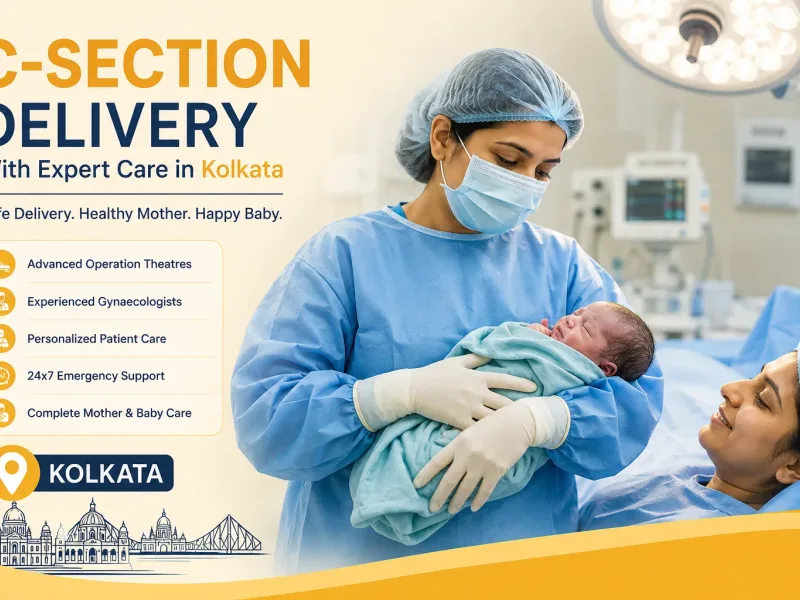
A cesarean section (C-section) is a surgical delivery in which a baby is born through an incision in the mother's abdomen and uterus. In Kolkata, several experienced obstetricians and well-equipped hospitals offer C-section services for planned and emergency deliveries. Understanding when a C-sectio
July 31, 2026
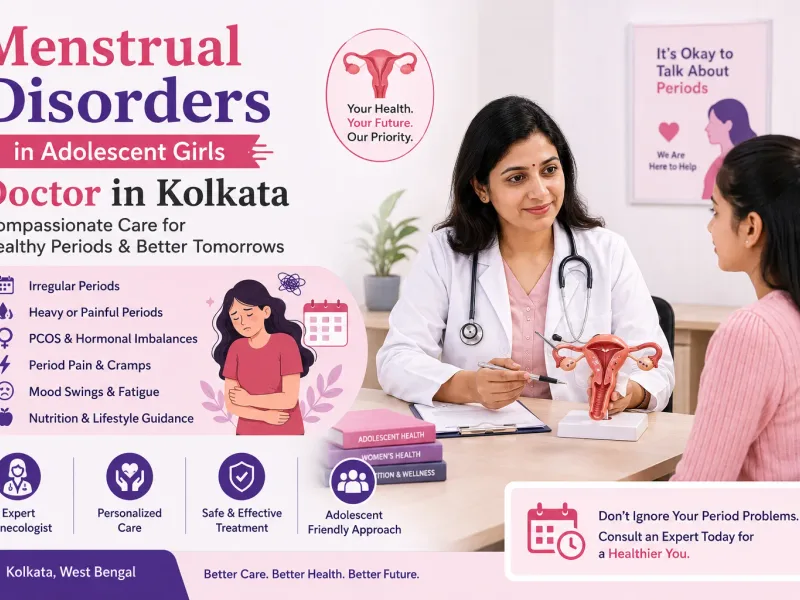
If you are searching for a Menstrual Disorders in Adolescent Girls Doctor in Kolkata, early evaluation by an experienced gynecologist can help identify the underlying cause of irregular or painful periods. While menstrual irregularities are common during the first few years after puberty, persistent
July 31, 2026

If you are searching for a Fibroid & Endometriosis doctor in Kolkata, choosing an experienced gynecologist with expertise in minimally invasive gynecological surgery is essential. Uterine fibroids and endometriosis are two common but different conditions that can cause pelvic pain, heavy menstrual b
July 31, 2026