

Emergency & Help
24/7 Emergency & General Advisory
🚨 24/7 Medical Emergency
Non-Emergency Advisory
10:00 AM – 6:00 PM, Mon–Sat
For appointments & general queries.
24/7 Emergency & General Advisory
🚨 24/7 Medical Emergency
Non-Emergency Advisory
10:00 AM – 6:00 PM, Mon–Sat
For appointments & general queries.
Understand how hysterectomy, especially with ovary removal, can affect hormone levels and potentially lead to accelerated aging symptoms. Learn about bone health, cognitive changes, and management strategies.
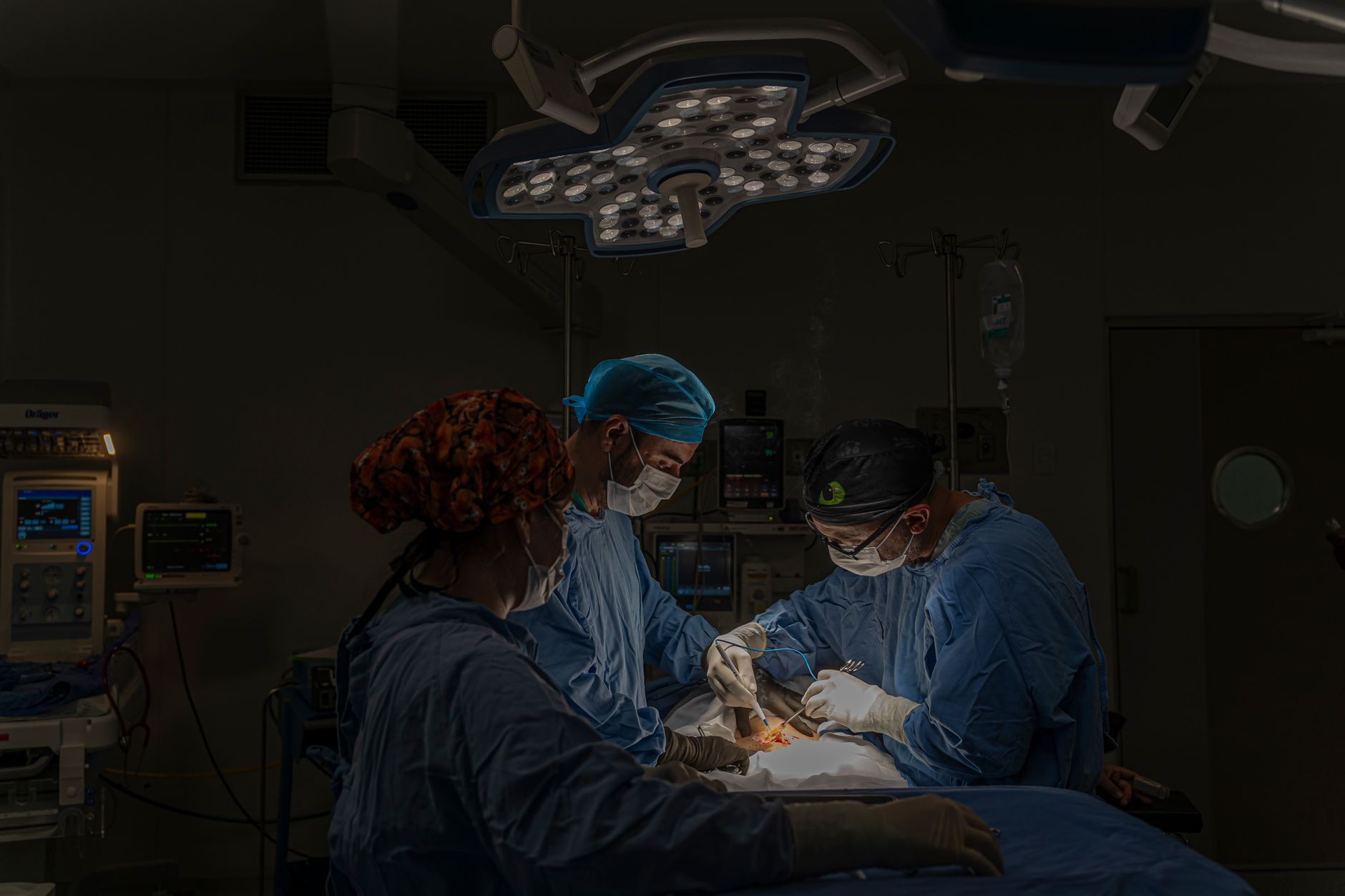
A hysterectomy is a common surgery, and for many women in India, it's a necessary step to manage health issues. But what happens after? Can this procedure lead to feeling like you're aging faster? It's a concern many women have, and it's important to get clear, practical answers. Let's explore how a hysterectomy, especially when it involves the removal of ovaries, can impact your body and lead to changes that feel like accelerated aging.
In India, like many parts of the world, hysterectomies are performed for various reasons, including fibroids, endometriosis, chronic pelvic pain, and certain cancers. While the surgery offers relief from distressing symptoms, the aftermath can sometimes bring unexpected challenges. The key to understanding this connection lies in hormones, particularly estrogen, and the role of the ovaries.
A hysterectomy is the surgical removal of the uterus. It's a major procedure, and sometimes, other reproductive organs are removed alongside it. These can include:
The type of hysterectomy and what is removed with it significantly influences the potential side effects and long-term health implications.
Think of estrogen as a powerhouse hormone for women. It's not just about reproduction; it plays a huge role in maintaining:
When the ovaries are removed (a procedure called oophorectomy) along with the uterus, estrogen production drops dramatically. This sudden plunge can trigger a cascade of changes that mimic the symptoms of natural menopause, but often more intensely and earlier than expected. This is often referred to as surgical menopause.
This section adds practical context and preventive advice to help readers make informed healthcare decisions. It is important to verify symptoms early, consult qualified doctors, and avoid self-medication for persistent health issues.
Maintaining healthy routines, following prescribed treatment plans, and attending regular checkups can improve outcomes. If symptoms worsen or red-flag signs appear, immediate medical evaluation is recommended.
Track symptoms and duration.
Follow diagnosis and treatment from a licensed practitioner.
Review medication side effects with your doctor.
Seek urgent care for severe warning signs.
Visit Hospital
Near You
A cesarean section (C-section) is a surgical delivery in which a baby is born through an incision in the mother's abdomen and uterus. In Kolkata, several experienced obstetricians and well-equipped hospitals offer C-section services for planned and emergency deliveries. Understanding when a C-sectio
July 31, 2026
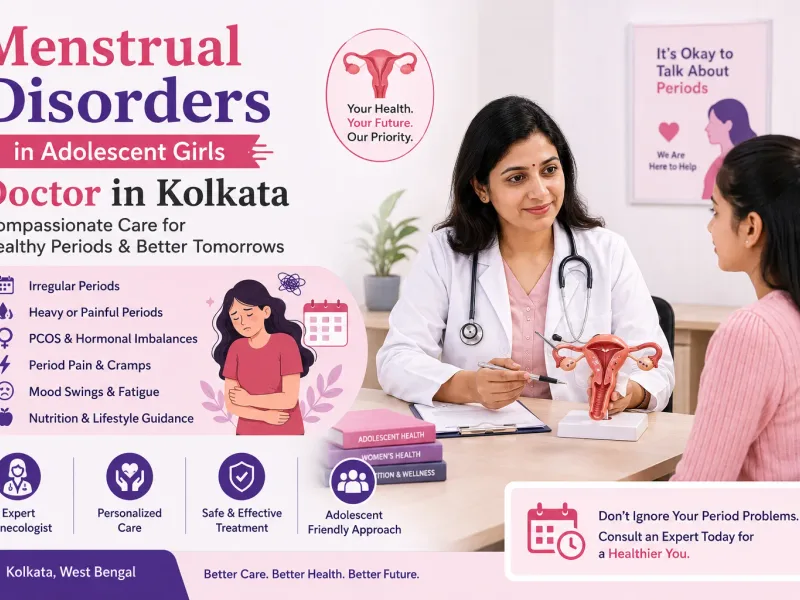
If you are searching for a Menstrual Disorders in Adolescent Girls Doctor in Kolkata, early evaluation by an experienced gynecologist can help identify the underlying cause of irregular or painful periods. While menstrual irregularities are common during the first few years after puberty, persistent
July 31, 2026
If you are searching for a Fibroid & Endometriosis doctor in Kolkata, choosing an experienced gynecologist with expertise in minimally invasive gynecological surgery is essential. Uterine fibroids and endometriosis are two common but different conditions that can cause pelvic pain, heavy menstrual b
July 31, 2026