

Emergency & Help
24/7 Emergency & General Advisory
🚨 24/7 Medical Emergency
Non-Emergency Advisory
10:00 AM – 6:00 PM, Mon–Sat
For appointments & general queries.
24/7 Emergency & General Advisory
🚨 24/7 Medical Emergency
Non-Emergency Advisory
10:00 AM – 6:00 PM, Mon–Sat
For appointments & general queries.
Learn about Inflammatory Breast Cancer (IBC), a rare and aggressive form of breast cancer. Understand its unique warning signs, risk factors, diagnosis, treatment, and the critical importance of early detection for better outcomes.

Inflammatory breast cancer (IBC) is a rare but aggressive form of breast cancer that differs significantly from other types. Unlike typical breast cancers that often form a lump, IBC affects the skin and lymph vessels of the breast, causing inflammation. This makes it harder to detect in its early stages, emphasizing the critical need for awareness of its unique warning signs. This guide aims to provide comprehensive information for Indian readers on IBC, covering its signs, causes, diagnosis, treatment, and prevention strategies.
Inflammatory breast cancer is a type of invasive ductal carcinoma, meaning it begins in the milk ducts and has spread into surrounding tissue. However, its defining characteristic is how it presents: it causes redness, swelling, and warmth in the breast, mimicking an infection. The cancer cells block the lymph vessels in the skin of the breast, leading to these inflammatory symptoms. Because it doesn't typically form a lump, it can be mistaken for less serious conditions like mastitis (a breast infection) or a bruise.
Early detection is paramount for effective treatment of IBC. Be vigilant and consult a doctor immediately if you notice any of the following changes in your breast:
It's crucial to remember that these symptoms can also be caused by benign (non-cancerous) conditions. However, if these changes appear suddenly and persist, medical evaluation is essential.
The exact cause of inflammatory breast cancer is not fully understood, but certain risk factors are associated with an increased likelihood of developing it:
It's important to note that many women diagnosed with IBC have no known risk factors.
Diagnosing IBC requires a thorough medical evaluation due to its unique presentation. The process typically involves:
Because IBC can mimic infections, a doctor might initially prescribe antibiotics to rule out mastitis. If symptoms don't improve or worsen, further investigation for IBC will be initiated.
Treatment for IBC is aggressive and usually involves a combination of therapies, often starting with chemotherapy. The goal is to shrink the cancer before surgery and address any potential spread.
Treatment plans are highly individualized based on the stage of the cancer, the patient's overall health, and the specific characteristics of the tumor.
While IBC cannot be entirely prevented, certain lifestyle choices and proactive measures can reduce risk and improve outcomes:
The most critical aspect of prevention for IBC is early detection. Promptly reporting any unusual changes in your breast to a healthcare professional is vital.
You should consult a doctor immediately if you notice any of the following:
Do not delay seeking medical advice, even if you suspect it might be a minor issue. Early diagnosis and treatment significantly improve the prognosis for inflammatory breast cancer.
Inflammatory breast cancer is a serious condition that requires prompt recognition and aggressive treatment. By understanding its unique warning signs, risk factors, and the importance of early detection, individuals can take proactive steps to protect their health. Regular breast self-awareness, coupled with timely medical consultation for any changes, is the most effective strategy against this aggressive form of breast cancer. Empower yourself with knowledge and prioritize your breast health.
This section adds practical context and preventive advice to help readers make informed healthcare decisions. It is important to verify symptoms early, consult qualified doctors, and avoid self-medication for persistent health issues.
Maintaining healthy routines, following prescribed treatment plans, and attending regular checkups can improve outcomes. If symptoms worsen or red-flag signs appear, immediate medical evaluation is recommended.
Track symptoms and duration.
Follow diagnosis and treatment from a licensed practitioner.
Review medication side effects with your doctor.
Seek urgent care for severe warning signs.
Visit Hospital
Near You

A cesarean section (C-section) is a surgical delivery in which a baby is born through an incision in the mother's abdomen and uterus. In Kolkata, several experienced obstetricians and well-equipped hospitals offer C-section services for planned and emergency deliveries. Understanding when a C-sectio
July 31, 2026
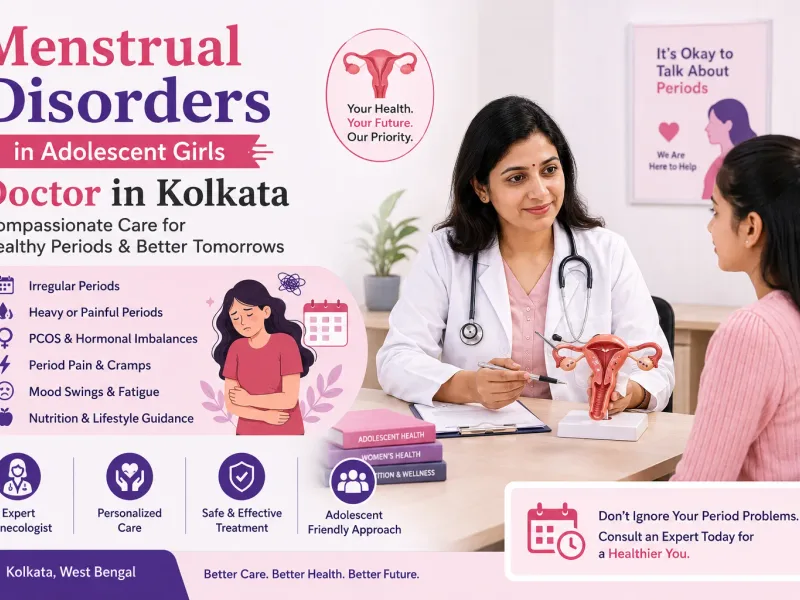
If you are searching for a Menstrual Disorders in Adolescent Girls Doctor in Kolkata, early evaluation by an experienced gynecologist can help identify the underlying cause of irregular or painful periods. While menstrual irregularities are common during the first few years after puberty, persistent
July 31, 2026

If you are searching for a Fibroid & Endometriosis doctor in Kolkata, choosing an experienced gynecologist with expertise in minimally invasive gynecological surgery is essential. Uterine fibroids and endometriosis are two common but different conditions that can cause pelvic pain, heavy menstrual b
July 31, 2026