No — but it is one of the more manageable chronic conditions. PCOS is a lifelong hormonal disorder rooted in insulin resistance and elevated androgen levels, and no treatment currently removes the underlying cause. What does exist is a well-established range of medications, lifestyle changes, and fertility treatments that can bring symptoms under meaningful control.
Why PCOS Doesn't Go Away
PCOS isn't an infection or injury with a clear endpoint. It's a hormonal and metabolic condition affecting up to 18% of women of reproductive age, with roots running through genetics, insulin signalling, and ovarian hormone production simultaneously — there's no single off switch.
Its exact cause remains unknown, which is part of why no cure exists. You can't reliably eliminate a mechanism that medicine doesn't yet fully understand. What is understood, however, is how to interrupt the downstream effects: irregular ovulation, excess androgen symptoms, and insulin resistance.
What "Manageable" Actually Looks Like
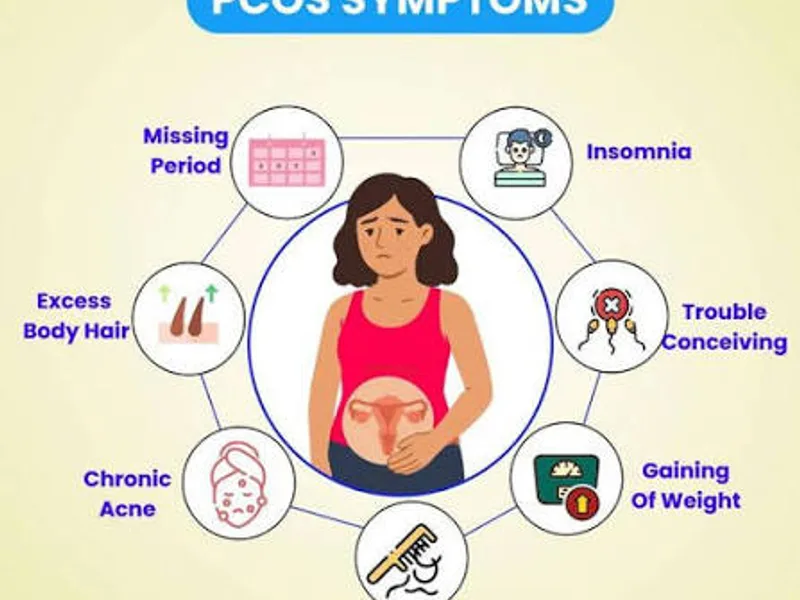
Even without a cure, most people with PCOS can get their symptoms well under control. A few things tend to make the biggest difference.
Modest weight loss. Losing even a small amount — around 5% of body weight — can meaningfully improve insulin sensitivity and menstrual regularity, and may increase the effectiveness of other treatments including those for infertility.
Medication for symptom control. Treatment is tailored to the individual's specific concerns, whether that's irregular cycles, excess hair growth, acne, or difficulty conceiving. Common options include:
Combined oral contraceptives to regulate cycles and lower androgen effects
Metformin to improve insulin sensitivity
Anti-androgen medications for hirsutism or acne
Ovulation-inducing drugs for those trying to conceive
Ongoing monitoring. Because PCOS raises long-term risk for related conditions beyond reproductive health, doctors typically recommend periodic checks of blood pressure, glucose tolerance, and cholesterol and triglyceride levels.
PCOS and Fertility
PCOS is one of the most common causes of ovulatory infertility — but also one of the more treatable ones. Among ovulation-inducing medications, letrozole tends to produce higher live birth rates than clomiphene citrate, which in turn outperforms metformin or placebo. For those who don't respond to first-line drugs, gonadotrophins or laparoscopic ovarian drilling are sometimes considered next steps, with drilling carrying a lower risk of multiple pregnancy. For those pursuing IVF, adding metformin to standard protocols has been linked to reduced rates of ovarian hyperstimulation syndrome and improved pregnancy rates.
None of this reverses PCOS. It works around it — restoring ovulation for a cycle, or several, without changing the underlying hormonal pattern.
Long-Term Health Considerations
Symptoms can ease at different life stages — often improving after childbirth, for instance — but the metabolic risks tend to persist regardless of how mild reproductive symptoms become. People with PCOS face a higher lifetime likelihood of obesity, insulin resistance, type 2 diabetes, cardiovascular disease, and certain cancers. For this reason, continued screening is generally recommended even when periods become more regular or fertility is no longer a concern.
What's New in PCOS Treatment
Research continues to expand the treatment toolkit even without a cure in sight. Recent studies have examined newer hormonal medications, weight-loss drugs originally developed for diabetes, and complementary approaches. Fezolinetant has shown promise in reducing androgen-related symptoms, while medications like liraglutide have demonstrated benefit for weight management in PCOS. There is also emerging evidence for certain supplements — including green cardamom and cinnamon — in improving metabolic markers, and for approaches like acupuncture in reducing androgen levels. These aren't replacements for standard care, but they reflect an actively evolving field.
The Bottom Line
PCOS is a lifelong condition to manage, not a disease to overcome once and move on from. The realistic goal isn't eliminating the diagnosis — it's keeping symptoms, fertility, and long-term health risks under control through the right combination of lifestyle changes, medication, and regular monitoring. Treatment looks different depending on whether the priority is cycle regulation, skin and hair symptoms, fertility, or metabolic health, so anyone newly diagnosed should work with their doctor to build a plan that fits their specific situation.
Frequently Asked Questions
Is there any way to permanently cure PCOS?
No. PCOS has no known cure because its root causes — genetic and hormonal factors involving insulin resistance and elevated androgens — cannot currently be reversed. Treatment focuses on managing symptoms and reducing related health risks over time.
Can PCOS go away on its own?
PCOS itself does not go away, though symptoms may become milder at certain life stages, such as after pregnancy. The underlying hormonal tendency generally remains, and metabolic risks can persist even when reproductive symptoms improve.
Does losing weight cure PCOS?
No, but it helps significantly. Even modest weight loss can improve insulin sensitivity, restore more regular ovulation, and make medications more effective. It does not eliminate the underlying condition.
Can someone with PCOS still get pregnant?
Yes, in many cases. Ovulation-inducing medications, sometimes combined with other fertility treatments, help many people with PCOS conceive. Success rates vary by individual, so input from a fertility specialist is valuable.
Does PCOS increase other health risks even when symptoms are mild?
Yes. People with PCOS face a higher long-term risk of type 2 diabetes, cardiovascular disease, and other metabolic conditions, so ongoing monitoring is recommended even when reproductive symptoms are well controlled.