

Emergency & Help
24/7 Emergency & General Advisory
🚨 24/7 Medical Emergency
Non-Emergency Advisory
10:00 AM – 6:00 PM, Mon–Sat
For appointments & general queries.
24/7 Emergency & General Advisory
🚨 24/7 Medical Emergency
Non-Emergency Advisory
10:00 AM – 6:00 PM, Mon–Sat
For appointments & general queries.
If you are searching for a Laparoscopic Hysterectomy doctor in Kolkata, it is important to choose an experienced gynecologist who specializes in minimally invasive gynecological surgery. Laparoscopic hysterectomy removes the uterus through small incisions using a camera and specialized surgical inst
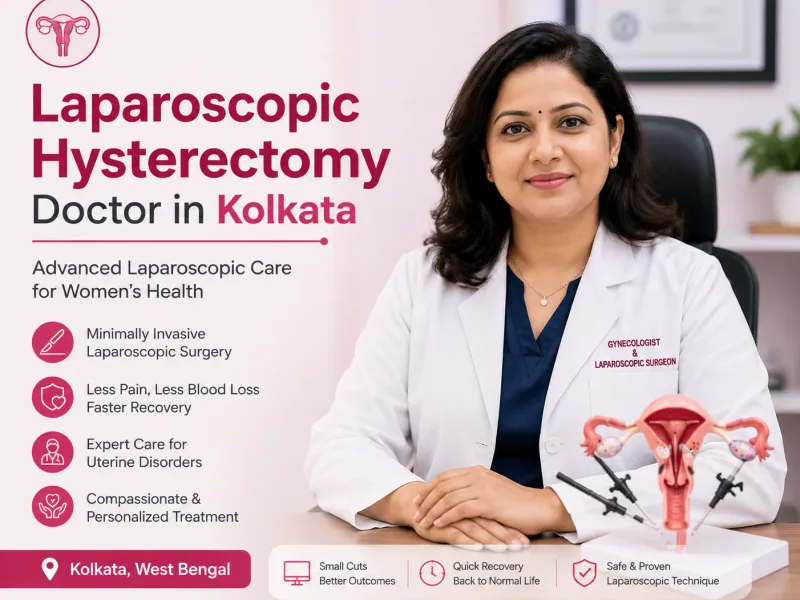
A Laparoscopic Hysterectomy doctor in Kolkata is a gynecologist trained in minimally invasive surgery for conditions affecting the uterus. During laparoscopic hysterectomy, the uterus is removed through small abdominal incisions with the help of a laparoscope, a thin camera that provides a clear view of the pelvic organs.
For many women, this approach results in quicker recovery and less postoperative discomfort than traditional open abdominal hysterectomy. However, the most suitable treatment depends on your medical condition, overall health, previous surgeries, and the underlying reason for surgery.
A laparoscopic hysterectomy is a minimally invasive operation performed to remove the uterus.
Instead of making one large abdominal incision, the surgeon makes several small cuts through which a camera and surgical instruments are inserted. The uterus is removed either through the vagina or in small sections, depending on the surgical plan and the patient's condition.
There are several types of hysterectomy, including:
Total laparoscopic hysterectomy (removal of the uterus and cervix)
Laparoscopic-assisted vaginal hysterectomy (LAVH)
Supracervical laparoscopic hysterectomy (the cervix is preserved in selected cases)
Your gynecologist will recommend the most appropriate option after evaluating your symptoms and medical history.
A doctor may recommend laparoscopic hysterectomy when non-surgical treatments have not relieved symptoms or when surgery is considered the most appropriate treatment.
Common medical reasons include:
Large or symptomatic uterine fibroids
Heavy menstrual bleeding that does not improve with treatment
Adenomyosis
Endometriosis in selected cases
Chronic pelvic pain linked to uterine disease
Uterine prolapse
Certain precancerous conditions of the uterus or cervix
Some early-stage gynecologic cancers, depending on individual evaluation
Not every woman with these conditions requires surgery. The decision is based on symptoms, age, reproductive plans, and overall health.
A laparoscopic hysterectomy may be considered for women experiencing:
Fibroids are non-cancerous growths that may cause heavy bleeding, pelvic pressure, frequent urination, and pain.
Adenomyosis occurs when tissue similar to the uterine lining grows into the muscular wall of the uterus, often causing painful and heavy periods.
Some women with severe endometriosis who have completed childbearing may benefit from hysterectomy when other treatments have not been successful.
When the uterus drops into the vaginal canal because of weakened pelvic support, hysterectomy may be one treatment option depending on the severity.
Compared with open abdominal surgery, laparoscopic hysterectomy may offer several advantages for suitable patients.
Benefits often include:
Smaller incisions
Less postoperative pain
Reduced blood loss
Lower risk of wound complications
Shorter hospital stay
Faster return to normal activities
Smaller scars
Earlier return to work for many patients
Every surgical procedure carries risks, and not every patient is a candidate for minimally invasive surgery.
Before surgery, your gynecologist usually performs a complete evaluation.
This may include:
Medical history
Pelvic examination
Ultrasound
MRI when necessary
Blood tests
Pap smear when indicated
Assessment of existing medical conditions
During surgery:
General anesthesia is administered.
Small incisions are made in the abdomen.
Carbon dioxide gas gently expands the abdomen for better visibility.
A laparoscope provides a magnified view of the pelvic organs.
Specialized instruments detach and remove the uterus.
The incisions are closed with sutures or surgical adhesive.
The exact surgical technique depends on the patient's condition and the surgeon's clinical judgment.
Preparation helps improve safety and recovery.
Your doctor may advise:
Routine blood investigations
Imaging studies
Medication review
Stopping certain blood-thinning medicines if medically appropriate
Avoiding food and drinks before surgery as instructed
Arranging transportation after discharge
Discussing any allergies or previous surgical complications
Always follow the preoperative instructions provided by your healthcare team.
Recovery varies between individuals.
Many women can return home within one or two days after surgery, depending on their overall health and recovery progress.
During recovery:
Walk gently as advised
Avoid heavy lifting for several weeks
Keep the incision clean and dry
Take prescribed medications only as directed
Attend scheduled follow-up appointments
Contact your doctor if you develop fever, severe pain, heavy bleeding, or unusual discharge
Many patients gradually return to routine activities within two to six weeks, although complete recovery may take longer depending on the individual.
Like any major operation, laparoscopic hysterectomy has potential risks.
Possible complications include:
Bleeding
Infection
Injury to the bladder or bowel
Injury to the ureter
Blood clots
Reactions to anesthesia
Conversion to open surgery if necessary for safety
Although complications are uncommon, discussing both benefits and risks with your surgeon is an essential part of informed decision-making.
A laparoscopic approach may be suitable for women who:
Require hysterectomy for benign uterine disease
Are medically fit for surgery
Have conditions that can be safely treated using minimally invasive techniques
Understand the benefits and limitations of the procedure
Your gynecologist will determine the safest surgical option after reviewing imaging findings and your complete medical history.
Selecting an experienced gynecologist is an important part of your treatment journey.
Consider the following factors:
Board-certified gynecologist
Experience in advanced laparoscopic surgery
Hospital with modern laparoscopic equipment
Clear communication about treatment options
Discussion of possible risks and expected recovery
Availability of postoperative follow-up care
Experience managing complex gynecological conditions
Choosing a surgeon who regularly performs minimally invasive gynecological procedures may improve the overall treatment experience.
You should seek medical advice if you experience:
Heavy menstrual bleeding
Persistent pelvic pain
Large uterine fibroids
Symptoms affecting your daily activities
Uterine prolapse
Chronic abnormal uterine bleeding
Persistent pelvic pressure
Treatment-resistant adenomyosis
Early evaluation allows your doctor to discuss both surgical and non-surgical treatment options.
For appropriately selected patients, laparoscopic hysterectomy is considered a safe and effective minimally invasive procedure. Compared with open abdominal surgery, it is generally associated with smaller incisions, less pain, shorter hospital stays, and quicker recovery. Your surgeon will determine which approach is safest for your condition.
Many women resume light daily activities within two to four weeks, although complete healing may take around six weeks or longer depending on individual health, the reason for surgery, and any additional procedures performed during the operation.
No. Once the uterus is removed, menstrual periods permanently stop. However, if the ovaries are preserved, they may continue producing hormones until natural menopause occurs.
Yes. Depending on your age, medical condition, family history, and reason for surgery, your gynecologist may recommend preserving one or both ovaries. This decision is individualized after discussing the benefits and risks.
Contact your healthcare provider immediately if you develop heavy bleeding, severe abdominal pain, persistent vomiting, fever, redness around the incision, foul-smelling discharge, difficulty urinating, chest pain, or shortness of breath after surgery.
Visit Hospital
Near You

A cesarean section (C-section) is a surgical delivery in which a baby is born through an incision in the mother's abdomen and uterus. In Kolkata, several experienced obstetricians and well-equipped hospitals offer C-section services for planned and emergency deliveries. Understanding when a C-sectio
July 31, 2026
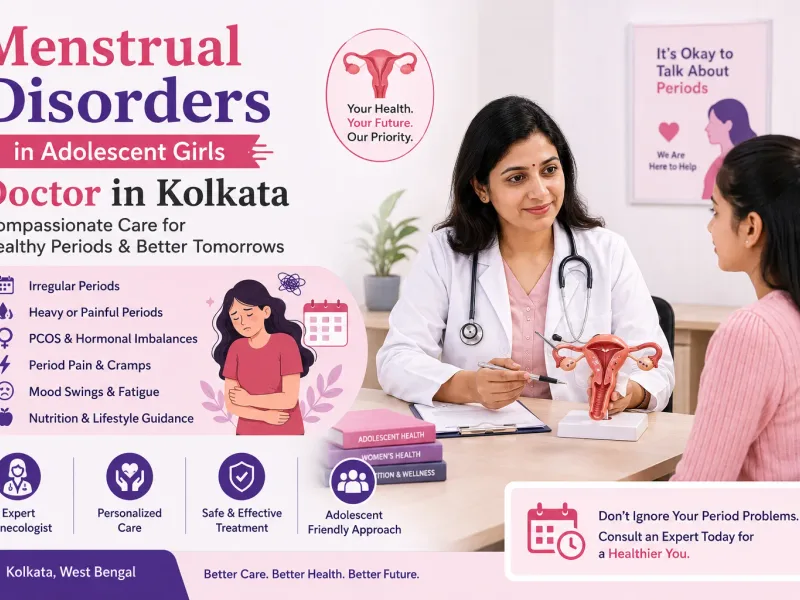
If you are searching for a Menstrual Disorders in Adolescent Girls Doctor in Kolkata, early evaluation by an experienced gynecologist can help identify the underlying cause of irregular or painful periods. While menstrual irregularities are common during the first few years after puberty, persistent
July 31, 2026
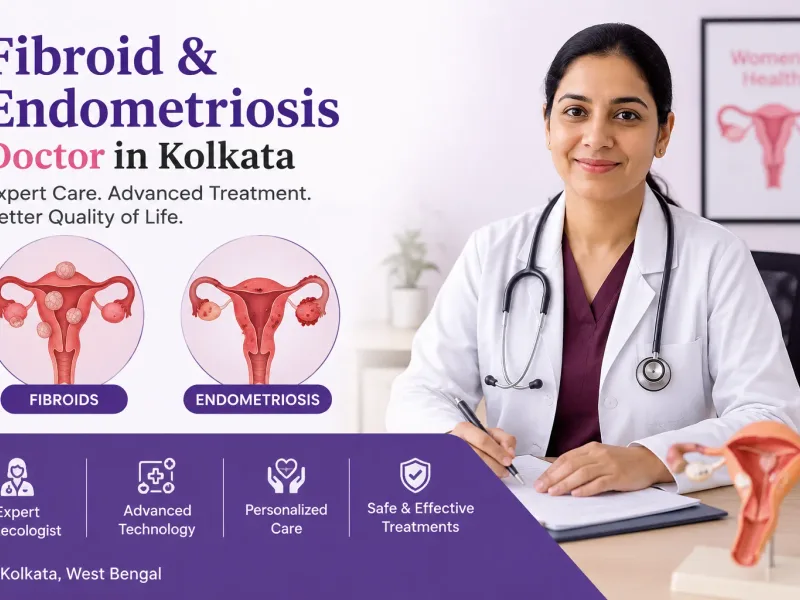
If you are searching for a Fibroid & Endometriosis doctor in Kolkata, choosing an experienced gynecologist with expertise in minimally invasive gynecological surgery is essential. Uterine fibroids and endometriosis are two common but different conditions that can cause pelvic pain, heavy menstrual b
July 31, 2026