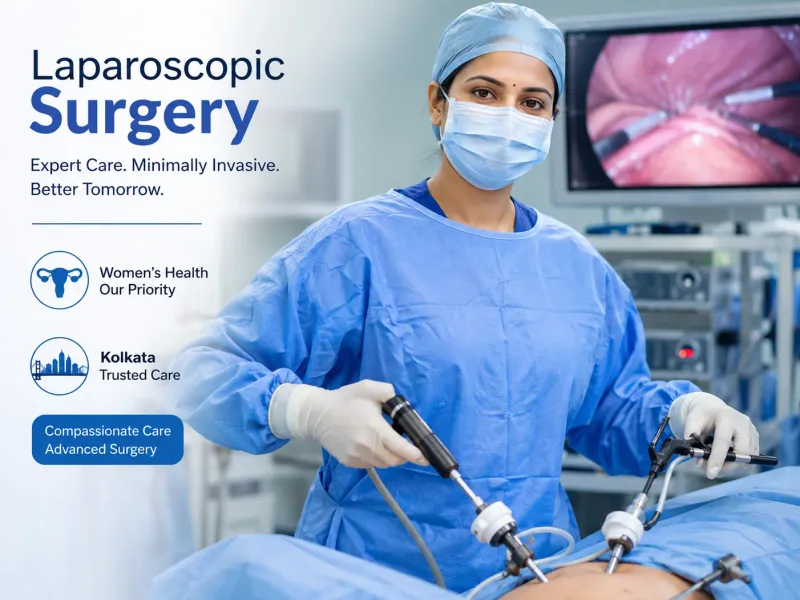
Laparoscopic surgery is a minimally invasive surgical technique in which a surgeon makes one to four small incisions — typically 5 to 10 mm — in the abdomen. A thin, lighted camera called a laparoscope is inserted through one incision to transmit a magnified image of the internal organs to a video monitor. Surgical instruments are passed through the remaining incisions to perform the procedure.
The abdomen is inflated with carbon dioxide gas to create space for the surgeon to operate. This allows a clear, detailed view of the pelvic and abdominal organs without the need for a large opening. In gynaecology, the procedure is performed under general anaesthesia and typically lasts between 30 minutes and two hours, depending on the complexity of the condition being treated.
According to ACOG, laparoscopy is used both to diagnose conditions that are causing symptoms — such as chronic pelvic pain, infertility, or a pelvic mass — and to treat them, often within the same surgical session.
Endometriosis
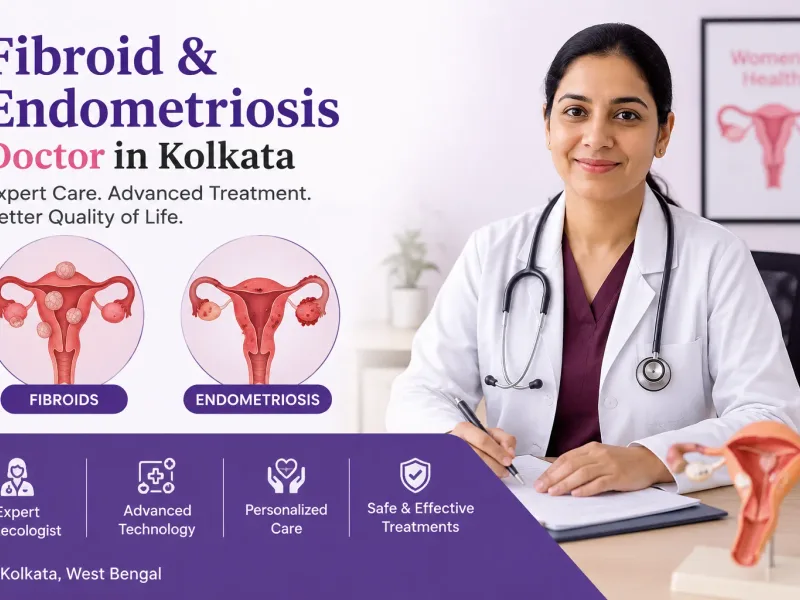
Endometriosis affects approximately 10–15% of women of reproductive age worldwide, according to a European Society for Gynaecological Endoscopy (ESGE) guideline. It occurs when tissue similar to the uterine lining grows outside the uterus — on the ovaries, fallopian tubes, or elsewhere in the pelvis — causing pain, inflammation, and in many cases, fertility problems.
ACOG states that laparoscopy is the only definitive way to confirm an endometriosis diagnosis. If tissue is found during the procedure, it can often be removed or destroyed during the same surgery — meaning diagnosis and treatment happen at once. Laparoscopy accounted for 84.9% of conservative endometriosis surgeries in an ESGE survey of European gynaecological endoscopists.
Uterine Fibroids
Fibroids are benign (non-cancerous) growths in the muscle of the uterus, occurring in approximately 70–80% of women by the time of menopause, according to ESGE guidelines on fibroid surgery. Many fibroids cause no symptoms, but some produce heavy menstrual bleeding, pelvic pain, pressure, or fertility difficulties.
Laparoscopic myomectomy — surgical removal of fibroids while preserving the uterus — is an established option for women with symptomatic fibroids who wish to retain their reproductive potential. The European Society for Gynaecological Endoscopy (ESGE) has published detailed surgical recommendations supporting laparoscopic myomectomy as an effective approach for appropriately selected fibroids.
Ovarian Cysts
Many ovarian cysts — fluid-filled sacs on or inside an ovary — resolve on their own without treatment. Surgery is considered when a cyst is large, persistent, painful, growing, or has features on imaging that suggest it requires further evaluation. According to clinical guidance from specialists at BlueNetHospitals and UChicago Medicine, the majority of ovarian cysts can be removed laparoscopically. A comprehensive study published in NIH's PMC that followed 1,522 laparoscopic adnexal procedures found that laparoscopic surgery offered significant advantages including reduced hospital stays, fewer adverse effects, and better quality of life for patients.
Ectopic Pregnancy
An ectopic pregnancy — where a fertilised egg implants outside the uterus, most commonly in a fallopian tube — requires urgent intervention. Laparoscopic surgery is the standard surgical approach, allowing the surgeon to remove the ectopic pregnancy while minimising trauma to surrounding tissue.
Chronic Pelvic Pain and Infertility Investigation
When chronic pelvic pain or infertility has no clear cause on imaging or blood tests, laparoscopy allows the gynaecologist to directly visualise the pelvis, identify adhesions (scar tissue), structural abnormalities, or undetected endometriosis, and treat the problem during the same procedure if appropriate.
Hysterectomy
Laparoscopic-assisted hysterectomy — surgical removal of the uterus — can be performed minimally invasively in many cases, including for women with fibroids, abnormal uterine bleeding unresponsive to other treatments, and certain gynaecological cancers. Minimally invasive hysterectomy is associated with lower complication rates and faster recovery compared to open abdominal hysterectomy.
Benefits of Laparoscopic Surgery Over Open Surgery
The advantages of laparoscopic over traditional open (laparotomy) surgery are well established in the medical literature. An NIH-indexed systematic review of gynecological surgery confirms that minimally invasive approaches are associated with:
Less blood loss during the procedure
Reduced post-operative pain, due to smaller incisions and less tissue trauma
Lower infection risk, as smaller openings mean less exposure
Shorter hospital stay — many procedures allow same-day discharge or one overnight stay
Faster recovery — most patients return to normal activities within one to two weeks, compared to four to six weeks for open surgery
Minimal scarring — incisions of 5–10 mm heal with barely visible marks
A 2025 NIH-indexed study applying Enhanced Recovery After Surgery (ERAS) protocols to laparoscopic gynaecological surgery found further improvements in recovery outcomes, nutritional status, and stress response — indicating that with structured perioperative care, recovery can be optimised even further.
[REVIEWER: add clinical insight here — e.g., your experience with patient outcomes following laparoscopic surgery for common gynaecological conditions, and the types of cases where you prefer laparoscopic over open approaches]
What to Expect: Before, During, and After Surgery
Before Surgery
Your gynaecologist will review your medical history, conduct a physical examination, and likely order ultrasound or other imaging. You will be asked to fast for several hours before the procedure. If you take regular medications, your doctor will advise which to continue or pause.
During the Procedure
Laparoscopic gynaecological surgery is performed under general anaesthesia. The surgeon makes small incisions, inflates the abdomen with carbon dioxide gas, inserts the laparoscope, and performs the procedure using instruments passed through additional small incisions. Most procedures take 30 minutes to two hours.
Recovery
Recovery time depends on the procedure. For diagnostic laparoscopy or simple cyst removal, many women return to light activity within a few days and to normal routines within one to two weeks. More complex procedures — such as excision of deep endometriosis or laparoscopic hysterectomy — may require two to four weeks of recovery.
Common post-operative experiences include mild abdominal bloating, shoulder tip pain (caused by residual carbon dioxide gas irritating the diaphragm), and light fatigue. These typically resolve within a few days. Strenuous exercise and heavy lifting should be avoided until your surgeon advises it is safe.
Risks and Limitations
Laparoscopic surgery is generally very safe, but like all surgery it carries some risk. These include reactions to anaesthesia, minor bleeding at incision sites, and the small possibility of injury to surrounding structures such as the bowel, bladder, or blood vessels. In some cases — for example, if unexpected bleeding occurs or a suspicious finding requires further assessment — the surgeon may convert to open surgery during the procedure.
Not every woman or condition is suitable for laparoscopic surgery. The appropriate approach depends on the diagnosis, the size and location of the problem, previous surgical history, and the individual surgeon's assessment. This is a decision made in consultation between the patient and her gynaecologist.
[REVIEWER: add clinical insight here — e.g., your criteria for selecting laparoscopic versus open surgery in complex or borderline cases, and how you discuss surgical risk with patients pre-operatively]
Choosing a Laparoscopic Gynaecologist
The skill and experience of the operating surgeon matters significantly in laparoscopic gynaecological surgery, particularly for complex conditions like deep infiltrating endometriosis or large fibroids. When choosing a specialist, it is worth asking:
How many laparoscopic procedures of this type do you perform each year?
Are you trained in laparoscopic management of my specific condition?
What is your conversion rate to open surgery?
What does post-operative follow-up look like?
In Kolkata, women seeking laparoscopic gynaecological surgery have access to specialists in both public and private hospital settings. Look for a board-certified obstetrician-gynaecologist with documented laparoscopic training and experience — and ensure the hospital is equipped with modern laparoscopic instrumentation and an anaesthesia team experienced in this type of surgery.
FAQ
What conditions can be treated with laparoscopic surgery in women? According to ACOG, laparoscopic surgery is used to treat endometriosis, uterine fibroids, ovarian cysts, ectopic pregnancy, and chronic pelvic pain, and to investigate infertility. It can also be used to perform hysterectomy and tubal ligation. In many cases, diagnosis and treatment are completed in a single surgical session.
How long does recovery take after laparoscopic gynaecological surgery? Recovery varies by procedure. For simple diagnostic laparoscopy or cyst removal, most women return to normal activities within one to two weeks. For more complex procedures such as laparoscopic hysterectomy or endometriosis excision, recovery may take two to four weeks. This is significantly faster than the four-to-six weeks typically required after open abdominal surgery.
Is laparoscopic surgery safe for women? Laparoscopic gynaecological surgery is considered very safe and is the preferred approach for many procedures, according to ACOG and ESGE clinical guidelines. Serious complications are uncommon. As with all surgery, there are risks, including anaesthesia reactions and rare injury to nearby organs. Your surgeon will discuss your individual risk profile before the procedure.
Can laparoscopic surgery help with infertility? Yes. Laparoscopy can identify and treat conditions that affect fertility — including endometriosis, ovarian cysts, pelvic adhesions, and blocked fallopian tubes — sometimes in a single procedure. According to NIH-indexed clinical literature on gynaecological surgery, directly visualising the pelvis allows the surgeon to address structural problems that may not be apparent on imaging alone.
What is the difference between laparoscopic surgery and open surgery? Open (laparotomy) surgery involves a large abdominal incision. Laparoscopic surgery uses several small incisions of 5–10 mm. NIH-indexed clinical research shows laparoscopy results in less blood loss, less post-operative pain, lower infection risk, shorter hospital stay, and faster recovery than open surgery — while achieving comparable surgical outcomes for most conditions.