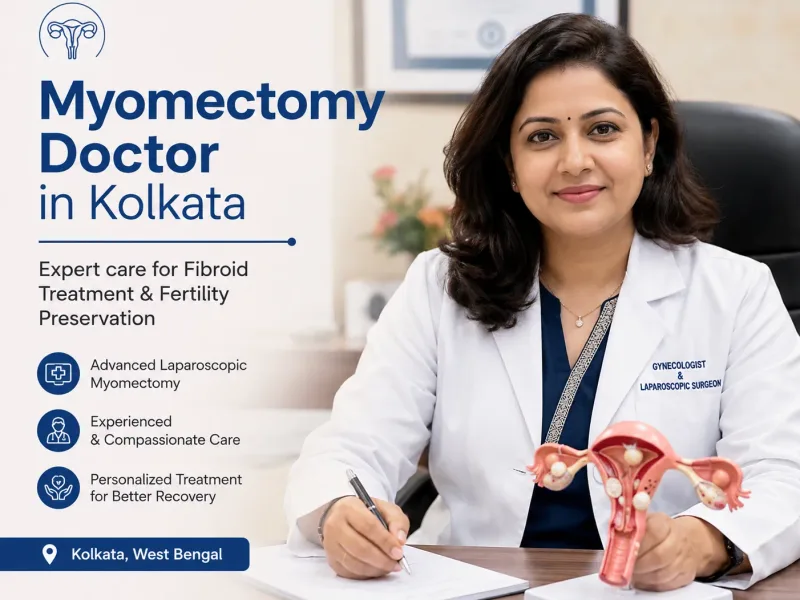
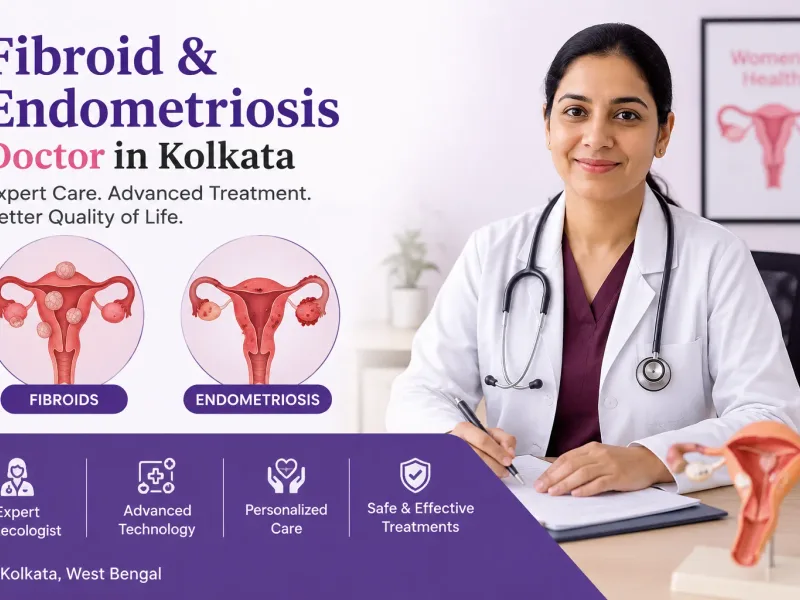
A Myomectomy doctor in Kolkata is a gynecologist specializing in the diagnosis and surgical treatment of uterine fibroids while preserving the uterus. Myomectomy is often recommended for women with fibroids causing heavy menstrual bleeding, pelvic pain, infertility, or pressure symptoms who want to keep their uterus or plan future pregnancies.
The right treatment depends on the size, number, and location of the fibroids, along with your age, symptoms, and pregnancy plans. A qualified gynecologist can recommend the most suitable surgical approach after a thorough evaluation.
A myomectomy is a surgical procedure that removes uterine fibroids (leiomyomas) without removing the uterus.
Fibroids are non-cancerous growths that develop in the muscular wall of the uterus. They are common among women during their reproductive years and vary greatly in size and number.
Unlike a hysterectomy, which removes the uterus completely, myomectomy allows many women to retain their fertility and continue menstruating.
Who May Need a Myomectomy?
Your gynecologist may recommend myomectomy if fibroids are causing significant symptoms or affecting fertility.
Common reasons include:
Heavy or prolonged menstrual bleeding
Pelvic pain or pressure
Pain during intercourse
Frequent urination due to pressure on the bladder
Constipation caused by large fibroids
Difficulty becoming pregnant
Recurrent pregnancy loss linked to fibroids
Rapidly enlarging fibroids requiring evaluation
Not every fibroid requires surgery. Small fibroids without symptoms are often monitored instead of treated.
Symptoms of Uterine Fibroids
Many women have fibroids without noticeable symptoms. Others may experience:
Symptoms often depend on the fibroid's size, number, and location.
Types of Myomectomy
Laparoscopic Myomectomy
This minimally invasive procedure uses several small incisions and a camera to remove fibroids.
Benefits include:
Smaller scars
Less pain
Reduced blood loss
Shorter hospital stay
Faster recovery
It is generally suitable for selected patients with appropriately sized and located fibroids.
Hysteroscopic Myomectomy
This technique removes fibroids through the vagina and cervix without external cuts.
It is usually recommended for:
Recovery is generally quicker than abdominal surgery.
Open (Abdominal) Myomectomy
Large, numerous, or deeply embedded fibroids may require open surgery through a larger abdominal incision.
This approach provides better access for complex cases but usually involves a longer recovery period.
How Is the Procedure Performed?
Before surgery, your doctor will perform a detailed evaluation.
This typically includes:
During surgery:
The patient receives anesthesia.
The surgeon carefully removes the fibroids.
The uterus is repaired to preserve its strength.
Bleeding is controlled before closing the surgical site.
The exact technique depends on the surgical approach used.
Benefits of Myomectomy
Many women experience significant symptom relief after surgery.
Potential benefits include:
Reduced heavy menstrual bleeding
Relief from pelvic pain
Improved quality of life
Better fertility in selected women
Preservation of the uterus
Improved bladder and bowel symptoms caused by fibroid pressure
The degree of improvement depends on individual health and the characteristics of the fibroids
Recovery After Myomectomy
Recovery varies depending on the type of surgery.
Approximate recovery times include:
Procedure | Typical Recovery |
|---|
Hysteroscopic | A few days to 2 weeks |
Laparoscopic | About 2–4 weeks |
Open Myomectomy | Around 4–6 weeks |
During recovery, patients are generally advised to:
Avoid heavy lifting
Follow medication instructions
Attend follow-up appointments
Maintain good hydration
Gradually resume daily activities
Report fever, heavy bleeding, or severe pain promptly
Your surgeon will provide personalized guidance based on your procedure.
Are There Any Risks?
Like all surgeries, myomectomy carries potential risks.
Possible complications include:
Most procedures are completed safely, but discussing risks with your surgeon is essential.
Can Fibroids Return?
Yes.
Removing fibroids does not prevent new fibroids from developing.
Research suggests recurrence is possible, especially in younger women and those with multiple fibroids. Regular follow-up helps monitor future symptoms
How to Choose a Myomectomy Doctor in Kolkata
When selecting a specialist, consider:
Board-certified gynecologist
Experience performing myomectomy
Expertise in minimally invasive surgery
Hospital with modern surgical facilities
Transparent discussion of treatment options
Good patient communication
Appropriate follow-up care
Multidisciplinary support when fertility is a concern
Choosing a surgeon with experience in different myomectomy techniques helps ensure that treatment is tailored to your individual condition.
Preparing for Surgery
Before your operation, your doctor may recommend:
Blood investigations
Imaging tests
Medication review
Temporary discontinuation of certain medicines
Fasting before surgery
Arranging transportation home
Planning recovery support
Always follow your surgeon's preoperative instructions carefully.
When Should You See a Doctor?
You should seek medical evaluation if you experience:
Heavy menstrual bleeding affecting daily life
Persistent pelvic pain
Rapid abdominal enlargement
Difficulty becoming pregnant
Recurrent miscarriage
Severe pressure symptoms
Anemia related to heavy periods
Frequently Asked Questions
Is myomectomy better than hysterectomy?
Myomectomy preserves the uterus and may be appropriate for women who wish to maintain fertility or keep their uterus. Hysterectomy permanently removes the uterus and is recommended in different clinical situations. The best option depends on your symptoms, age, and future pregnancy plans.
Can I become pregnant after myomectomy?
Many women can become pregnant after myomectomy, although outcomes vary depending on the size and location of the fibroids, surgical repair of the uterus, age, and other fertility factors. Your gynecologist can advise when it is safe to try for pregnancy.
Is laparoscopic myomectomy safe?
For appropriately selected patients, laparoscopic myomectomy is considered a safe and effective minimally invasive procedure when performed by an experienced surgeon. It usually offers less postoperative pain, smaller scars, and a faster recovery compared with open surgery.
How long does recovery take after myomectomy?
Recovery depends on the surgical approach. Hysteroscopic procedures often require only a few days to two weeks, laparoscopic surgery typically takes two to four weeks, and open abdominal surgery may require four to six weeks or longer for full recovery.
Can fibroids come back after surgery?
Yes. Myomectomy removes existing fibroids but does not prevent new fibroids from developing. Regular follow-up with your gynecologist helps detect recurrence early and determine whether additional treatment is needed.