

Emergency & Help
24/7 Emergency & General Advisory
🚨 24/7 Medical Emergency
Non-Emergency Advisory
10:00 AM – 6:00 PM, Mon–Sat
For appointments & general queries.
24/7 Emergency & General Advisory
🚨 24/7 Medical Emergency
Non-Emergency Advisory
10:00 AM – 6:00 PM, Mon–Sat
For appointments & general queries.
Planning a pregnancy? Preconceptional counseling is a checkup you have before you conceive, not after. It covers blood tests, vaccination status, folic acid, chronic conditions like diabetes or thyroid disease, and lifestyle habits that affect fertility and the baby's early development. For couples

Preconceptional counseling is a medical consultation for couples who are planning to conceive, done before pregnancy begins. Its goal is simple: catch and correct health risks — from anemia to unmanaged diabetes — while there's still time to act, since a baby's organs form in the first eight weeks, often before a woman even knows she's pregnant.
[REVIEWER: add clinical insight here — e.g., a common finding you see in first preconception visits at your Kolkata practice, or a case where early counseling changed the outcome]
Nearly half of pregnancies in the United States are unintended, according to the American College of Obstetricians and Gynecologists (ACOG), and unplanned pregnancy raises the risk of complications simply because there's no window to prepare. The neural tube — which becomes the baby's brain and spinal cord — closes by around day 28 of pregnancy. Waiting for the first antenatal visit, which often happens weeks later, means this critical stage has already passed.
That's the entire logic behind preconception care: shift screening and correction to before conception, not after.
A thorough preconception visit, per guidelines from the CDC/ATSDR Preconception Care Work Group and the American College of Obstetricians and Gynecologists, typically includes:
Medical and family history review. Your doctor asks about past pregnancies, chronic conditions (diabetes, thyroid disorders, hypertension, PCOS), medications, and any family history of genetic disorders or birth defects.
Blood and infection screening. This usually covers a complete blood count for anemia, blood group and Rh typing, thyroid function, blood sugar, and screening for infections such as HIV, hepatitis B, syphilis, and rubella immunity, in line with standard obstetric screening protocols.
Nutritional assessment and folic acid. The CDC recommends that all women capable of becoming pregnant take 400 micrograms of folic acid daily, since periconceptional folic acid can prevent more than half of neural tube defects such as spina bifida. In India, anemia and micronutrient deficiency are common enough that national and FOGSI (Federation of Obstetric and Gynaecological Societies of India) guidelines call for weekly iron and folic acid supplementation, along with deworming, for all women in the preconception period, given how widespread iron and B12 deficiency are among Indian women.
Vaccination check. Rubella and varicella immunity are confirmed, and any missing vaccines are given before conception, since some live vaccines can't be administered once pregnancy begins.
Lifestyle counseling. This covers tobacco, alcohol, weight, exercise, and — where relevant — safe medication use, since some commonly used drugs need to be adjusted before pregnancy.
[REVIEWER: add clinical insight here — e.g., which of these screening steps patients in your clinic most often skip or underestimate]
Preconception counseling benefits nearly every woman planning a pregnancy, but it's especially important for a few groups:
Women with existing conditions such as diabetes, thyroid disease, hypertension, or PCOS, since these need to be stabilized before conception for the safest outcome.
Women with a history of pregnancy loss, preterm birth, or a previous baby with a birth defect.
Women over 35, since fertility and certain pregnancy risks change with age.
Couples with a family history of inherited genetic conditions, who may benefit from genetic screening or counseling.
Women who are underweight, overweight, or have a nutrient deficiency such as anemia — a particularly common finding in Indian women of reproductive age.
If you're in Kolkata and planning a pregnancy, look for an obstetrician-gynecologist who explicitly offers preconception counseling or "prepregnancy checkups," rather than assuming your first antenatal visit will cover the same ground — by definition, that visit happens after conception, once the earliest window for prevention has already closed. Government hospitals such as SSKM, NRS Medical College, and R.G. Kar, along with private maternity centers across the city, typically offer this as part of routine gynecology OPD services. When booking, it helps to ask directly whether the visit will include blood work, an anemia and thyroid screen, and a review of your vaccination status — not just a general physical exam.
[REVIEWER: add clinical insight here — e.g., what a first-time patient in Kolkata should bring to their initial preconception visit, or how soon before trying to conceive they should book]
How many months before trying to conceive should I book a preconception visit? Most doctors recommend three to six months ahead. This gives enough time to correct anemia, stabilize a chronic condition, complete any needed vaccinations, and build up folic acid stores before conception.
Is preconceptional counseling only for women with health problems? No. Even healthy women benefit, since screening can catch silent issues like low iron, thyroid imbalance, or missing rubella immunity that wouldn't otherwise be checked until the first antenatal visit.
Does my husband or partner need to be involved? Yes, ideally. A partner's health history, genetic background, and lifestyle habits (smoking, alcohol use) can also affect fertility and pregnancy outcomes, so many clinics counsel both partners together.
Will I need to stop my current medications before conceiving? Possibly, but only under medical guidance. Some medications for chronic conditions need to be swapped for pregnancy-safe alternatives before you conceive — never stop a prescribed medication on your own.
Is folic acid enough, or do I need other supplements? Folic acid is the single most important supplement for preventing neural tube defects, but Indian guidelines also recommend iron supplementation given how common anemia is in women of reproductive age. Your doctor will tailor this to your blood test results.
Visit Hospital
Near You
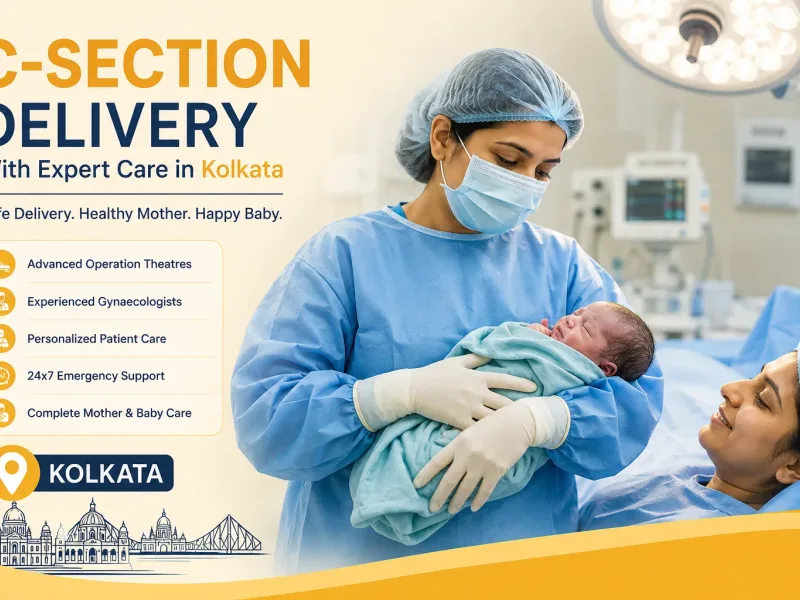
A cesarean section (C-section) is a surgical delivery in which a baby is born through an incision in the mother's abdomen and uterus. In Kolkata, several experienced obstetricians and well-equipped hospitals offer C-section services for planned and emergency deliveries. Understanding when a C-sectio
July 31, 2026
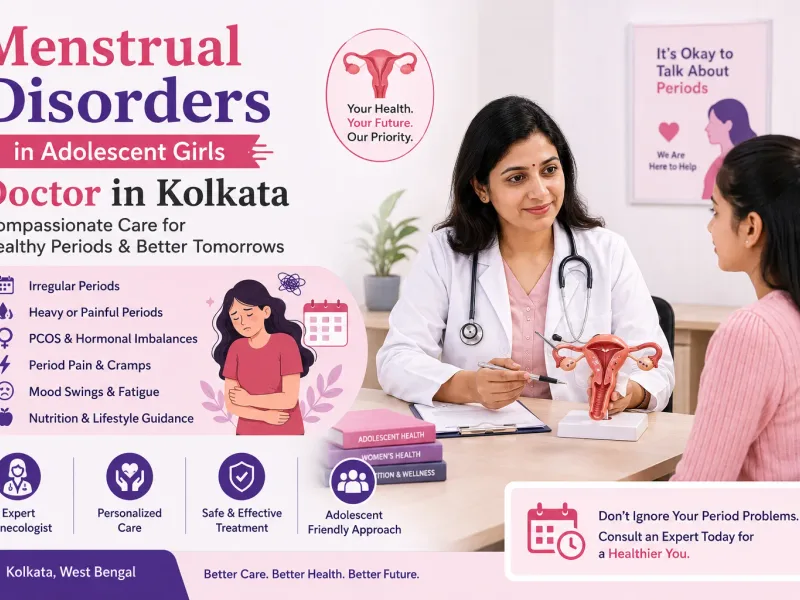
If you are searching for a Menstrual Disorders in Adolescent Girls Doctor in Kolkata, early evaluation by an experienced gynecologist can help identify the underlying cause of irregular or painful periods. While menstrual irregularities are common during the first few years after puberty, persistent
July 31, 2026
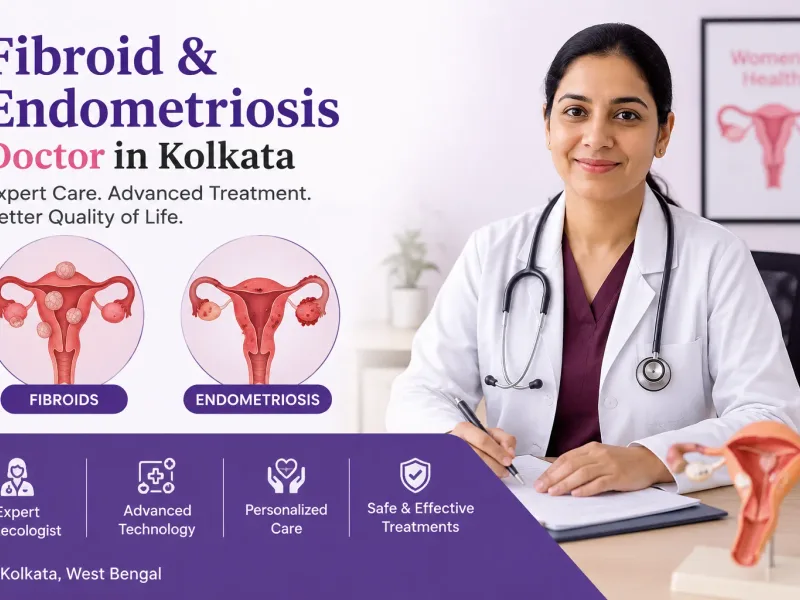
If you are searching for a Fibroid & Endometriosis doctor in Kolkata, choosing an experienced gynecologist with expertise in minimally invasive gynecological surgery is essential. Uterine fibroids and endometriosis are two common but different conditions that can cause pelvic pain, heavy menstrual b
July 31, 2026