

Emergency & Help
24/7 Emergency & General Advisory
🚨 24/7 Medical Emergency
Non-Emergency Advisory
10:00 AM – 6:00 PM, Mon–Sat
For appointments & general queries.
24/7 Emergency & General Advisory
🚨 24/7 Medical Emergency
Non-Emergency Advisory
10:00 AM – 6:00 PM, Mon–Sat
For appointments & general queries.
Discover natural ways to restore and maintain your vaginal pH balance, addressing common issues like odor and discharge with practical tips for Indian women.
Your vaginal health is a delicate ecosystem, and its pH balance plays a starring role in keeping it healthy and comfortable. Think of it like a finely tuned instrument; when it’s in harmony, everything works smoothly. However, various factors can disrupt this balance, leading to discomfort and potential issues. This guide is designed to help you understand your vaginal pH, identify common disruptors, and explore natural ways to restore balance, keeping in mind the specific needs and contexts relevant to women in India.
The pH scale measures how acidic or alkaline something is. It ranges from 0 to 14. A pH of less than 7 is acidic, and a pH over 7 is alkaline (or basic). A healthy vagina typically maintains a moderately acidic environment, with a pH between 3.8 and 4.5. This acidity is your body’s natural defense mechanism, helping to prevent the overgrowth of harmful bacteria and yeast that can cause infections like bacterial vaginosis (BV) or yeast infections.
When this acidic environment is compromised, the pH level rises, becoming less acidic (more alkaline). This shift can create an environment where undesirable microorganisms can thrive, leading to symptoms you might recognize.
Recognizing the signs is the first step towards addressing the issue. While symptoms can vary, here are some common indicators:
It’s important to remember that not all discharge changes indicate an infection. However, if you notice any of these symptoms, especially if they are new or persistent, it’s worth investigating.
Several everyday factors can nudge your vaginal pH out of its healthy range:
Fortunately, your body has a remarkable ability to self-regulate. With a few mindful adjustments and natural remedies, you can support your vaginal health. Here are some practical strategies:
Probiotics are beneficial bacteria, often referred to as ‘good’ bacteria. In the vagina, these are primarily Lactobacilli, which help maintain the acidic environment. Increasing your intake of probiotics can help restore the balance of good bacteria.
How to incorporate more probiotics:
A real-life scenario: Priya often experiences itching and a mild fishy smell during her periods. She decides to start eating a bowl of plain yogurt daily and includes fermented vegetables in her meals. Within a few weeks, she notices a significant improvement in her symptoms.
Boric acid has been used for over a century for its antiseptic properties and can be effective for certain types of vaginal issues, particularly bacterial vaginosis (BV). It helps to create an acidic environment that inhibits the growth of harmful bacteria.
Important considerations:
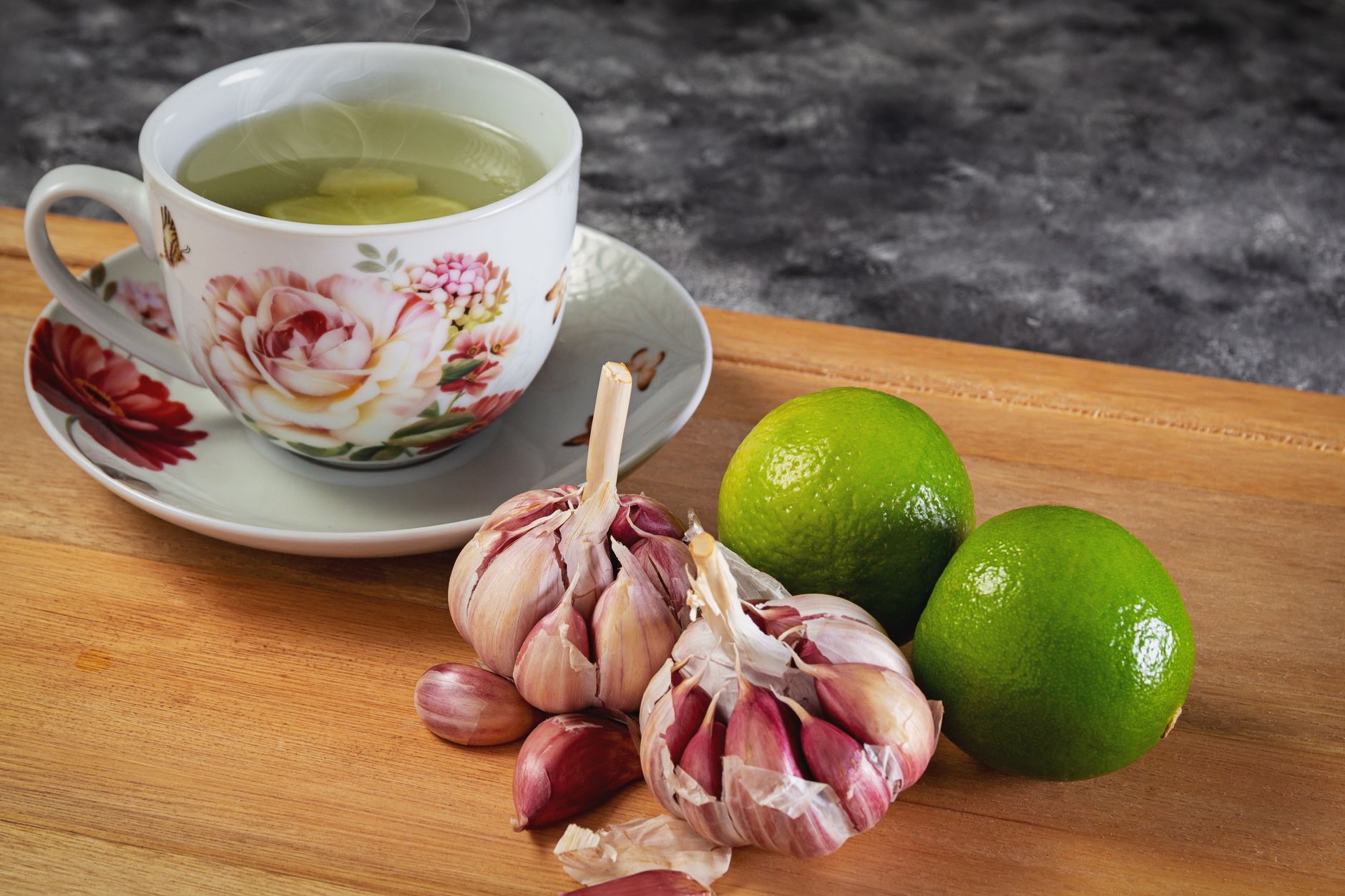
Garlic is known for its potent antibacterial and antifungal properties, thanks to a compound called allicin. Some studies suggest that garlic might help combat yeast infections and BV.
How to use garlic:
Caution: Garlic can sometimes cause digestive upset. Individuals with bleeding disorders or those on blood-thinning medication should consult their doctor before taking garlic supplements.
Stress can wreak havoc on your body, and your vaginal health is no exception. High levels of the stress hormone cortisol have been linked to an increased risk of BV.
Stress-reducing techniques:
Less is often more when it comes to vaginal hygiene.
Drinking plenty of water is essential for overall health, including maintaining healthy bodily fluids. A balanced diet rich in fruits, vegetables, and whole grains supports your immune system and gut health, which indirectly benefits vaginal health.
While natural remedies can be very effective for mild imbalances, it's crucial to seek professional medical advice in certain situations:
Your doctor can perform necessary tests to accurately diagnose the cause of your symptoms and recommend the most appropriate treatment, which might include prescription medications if needed. Self-treating without a proper diagnosis can sometimes worsen the condition or delay necessary care.
A: Yes, douching can significantly disrupt the natural pH balance of the vagina by washing away beneficial bacteria and altering the acidity. It is generally not recommended by healthcare professionals.
A: A healthy vagina has a mild, sometimes slightly musky or metallic, odour that is usually not unpleasant. A strong, fishy, or foul odour is typically a sign of imbalance or infection.
A: The timeframe varies depending on the individual and the severity of the imbalance. Some women notice improvements within a few days to a week, while for others, it might take a couple of weeks of consistent use of natural remedies.
A: Boric acid is primarily recommended for bacterial vaginosis (BV). While it might have some effect on yeast, it's best to consult your doctor for a proper diagnosis and treatment plan for yeast infections, which often require antifungal medications.
Maintaining a healthy vaginal pH is key to your overall well-being. By understanding the factors that influence it and adopting natural, supportive practices, you can help your body maintain its delicate balance. Remember to listen to your body and seek medical advice when needed.
Visit Hospital
Near You

A cesarean section (C-section) is a surgical delivery in which a baby is born through an incision in the mother's abdomen and uterus. In Kolkata, several experienced obstetricians and well-equipped hospitals offer C-section services for planned and emergency deliveries. Understanding when a C-sectio
July 31, 2026
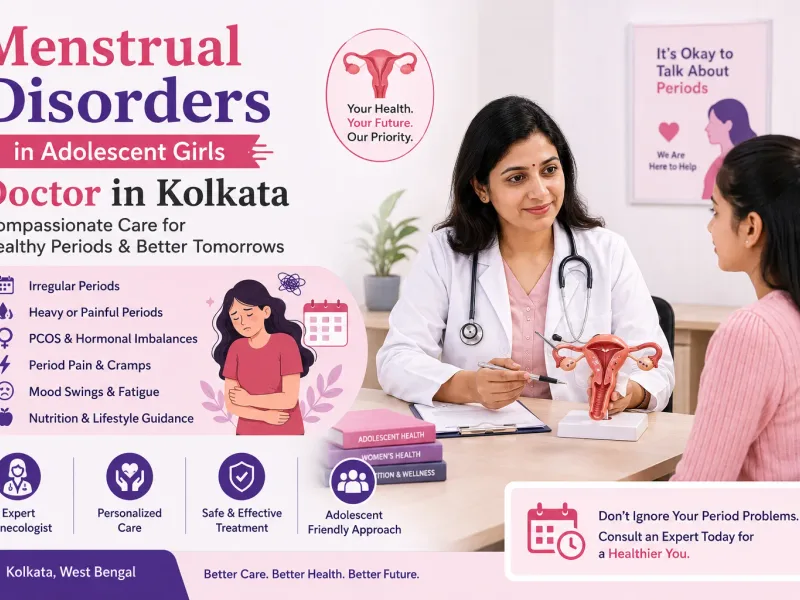
If you are searching for a Menstrual Disorders in Adolescent Girls Doctor in Kolkata, early evaluation by an experienced gynecologist can help identify the underlying cause of irregular or painful periods. While menstrual irregularities are common during the first few years after puberty, persistent
July 31, 2026

If you are searching for a Fibroid & Endometriosis doctor in Kolkata, choosing an experienced gynecologist with expertise in minimally invasive gynecological surgery is essential. Uterine fibroids and endometriosis are two common but different conditions that can cause pelvic pain, heavy menstrual b
July 31, 2026