

Emergency & Help
24/7 Emergency & General Advisory
🚨 24/7 Medical Emergency
Non-Emergency Advisory
10:00 AM – 6:00 PM, Mon–Sat
For appointments & general queries.
24/7 Emergency & General Advisory
🚨 24/7 Medical Emergency
Non-Emergency Advisory
10:00 AM – 6:00 PM, Mon–Sat
For appointments & general queries.
Discover natural ways to restore and maintain your vaginal pH balance. Learn about probiotics, boric acid, garlic, and stress management for a healthier intimate life.

Your vaginal health is a delicate ecosystem, and maintaining the right pH balance is key to keeping it healthy and comfortable. The pH scale, ranging from 0 to 14, measures acidity and alkalinity. A healthy vagina typically has a moderately acidic pH, falling between 3.8 and 4.5. This acidic environment is a natural defense, preventing the overgrowth of harmful bacteria and yeast that can lead to infections. When this balance is disrupted, it can cause a range of uncomfortable symptoms like itching, burning, and unusual discharge. Several factors, both internal and external, can affect your vaginal pH. These include hormonal changes, certain medications, hygiene practices, and even stress. Thankfully, you don't always need to rush to the doctor for mild imbalances. Nature offers several gentle and effective ways to help restore your vaginal pH balance.
The vaginal environment is primarily maintained by beneficial bacteria called Lactobacilli. These bacteria produce lactic acid, which keeps the pH low (acidic). This acidity is your vagina's natural shield against infections. When the pH rises (becomes less acidic or more alkaline), the protective barrier weakens, making you more susceptible to conditions like Bacterial Vaginosis (BV) or yeast infections. Factors that can alter this delicate balance include:
If you're experiencing mild symptoms of vaginal pH imbalance, several natural approaches can help. Remember, these are for mild issues and should not replace medical advice for severe or persistent symptoms.
Probiotics are live microorganisms, often called 'good' bacteria, that are beneficial for your health. Lactobacilli, the key bacteria in a healthy vagina, can be found in probiotic supplements and certain fermented foods. Incorporating these into your diet can help boost the population of beneficial bacteria.
Scenario: Priya noticed a slight change in her vaginal discharge and a mild itching sensation after her last course of antibiotics. She decided to increase her intake of yogurt and started a probiotic supplement to help restore the natural balance.
Boric acid has been used for over a century to help manage symptoms of Bacterial Vaginosis (BV). While more research is needed to fully understand its effectiveness, it's often recommended for mild cases. Boric acid suppositories are available over-the-counter at pharmacies and online.
Garlic is renowned for its natural antibacterial and antifungal properties, thanks to a compound called allicin. Some studies suggest that garlic supplements might be as effective as oral antibiotics for yeast infections or BV, with fewer side effects.
Stress can significantly impact your body's overall health, including your vaginal pH. High levels of the stress hormone cortisol have been linked to BV. Finding healthy ways to manage stress is essential.
What you eat and drink affects your entire body, including your vaginal health. A diet rich in fruits, vegetables, and whole grains supports overall well-being. Staying well-hydrated is also important.
While natural remedies can be very effective for mild symptoms, it's crucial to know when to consult a doctor. Persistent or severe symptoms require medical attention to rule out serious infections and receive appropriate treatment.
Your doctor can perform tests to accurately diagnose the cause of your symptoms and recommend the best course of treatment, which may include prescription medications if necessary. Never self-diagnose serious conditions.
Prevention is always better than cure. Adopting certain healthy habits can significantly reduce your risk of experiencing vaginal pH imbalances:
A: Yes, douching can significantly disrupt your vaginal pH balance. It washes away the beneficial bacteria (Lactobacilli) that protect your vagina, making you more prone to infections. It's generally recommended to avoid douching.
A: The effectiveness and speed of natural remedies can vary greatly from person to person. For mild symptoms, you might notice improvement within a few days to a week. However, for persistent or severe issues, it's essential to consult a healthcare professional.
A: It is generally NOT recommended to use boric acid suppositories during pregnancy without explicit guidance from your doctor. Always discuss any self-treatment options with your healthcare provider when you are pregnant.
A: Yes, semen is alkaline (has a higher pH) and can temporarily increase your vaginal pH after intercourse. While this is a natural occurrence, frequent exposure without adequate time for the vagina to rebalance itself might increase the risk of BV for some women.
Visit Hospital
Near You

A cesarean section (C-section) is a surgical delivery in which a baby is born through an incision in the mother's abdomen and uterus. In Kolkata, several experienced obstetricians and well-equipped hospitals offer C-section services for planned and emergency deliveries. Understanding when a C-sectio
July 31, 2026
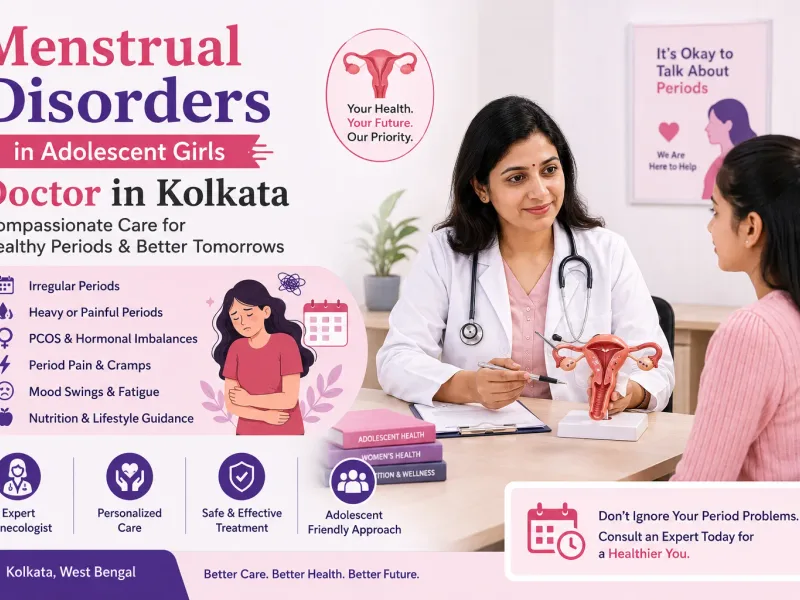
If you are searching for a Menstrual Disorders in Adolescent Girls Doctor in Kolkata, early evaluation by an experienced gynecologist can help identify the underlying cause of irregular or painful periods. While menstrual irregularities are common during the first few years after puberty, persistent
July 31, 2026

If you are searching for a Fibroid & Endometriosis doctor in Kolkata, choosing an experienced gynecologist with expertise in minimally invasive gynecological surgery is essential. Uterine fibroids and endometriosis are two common but different conditions that can cause pelvic pain, heavy menstrual b
July 31, 2026