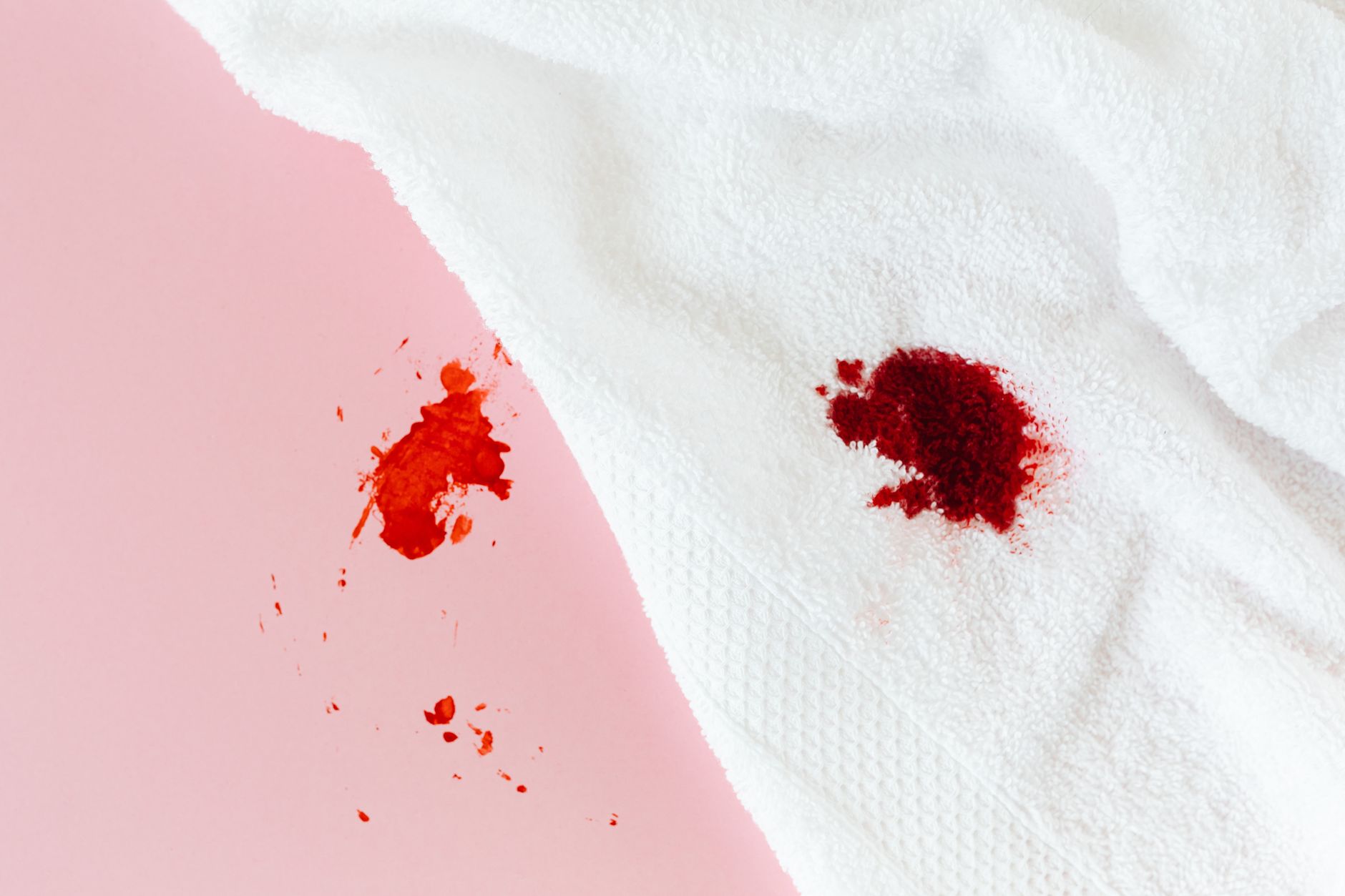
Understanding the nuances between menstrual spotting and a regular period is crucial for women's health. While both involve vaginal bleeding, they differ significantly in volume, color, duration, and underlying causes. This guide aims to clarify these differences, helping you identify what might be normal for your body and when to seek medical advice. We will delve into the common causes of spotting, differentiate it from a period, and discuss when it's important to consult a doctor.
What is Spotting?
Spotting, also known as breakthrough bleeding, refers to light vaginal bleeding that occurs outside of your regular menstrual period. It's typically much lighter than a period, often appearing as pinkish or brownish discharge. The amount of blood is usually so small that it doesn't require a tampon or pad, and a panty liner is often sufficient. Spotting can last for a few hours to a few days.
What is a Period?
A menstrual period, or menstruation, is the monthly shedding of the uterine lining. It involves a heavier flow of blood compared to spotting, typically lasting between 3 to 7 days. The color of menstrual blood can range from bright red to dark brown or even black. During a period, you will likely need to use tampons, pads, or menstrual cups to manage the flow.
Key Differences Between Spotting and Period
- Volume: Spotting is light, while a period is heavier.
- Color: Spotting can be pinkish or brownish. Menstrual blood is typically red to dark brown.
- Duration: Spotting is usually short-lived (hours to a few days). A period lasts several days (3-7 days).
- Timing: Spotting occurs outside of your regular menstrual cycle. A period is a predictable monthly event.
- Flow: Spotting may not require sanitary protection or only a panty liner. A period requires tampons, pads, or cups.
Common Causes of Spotting
Several factors can lead to spotting. It's important to note that while some causes are benign, others may require medical attention.
1. Ovulation Spotting
Some women experience light spotting around the time of ovulation, which is typically mid-cycle. This occurs when a slight drop in estrogen levels triggers the shedding of a small amount of the uterine lining. Ovulation spotting is usually light, lasts only a day or two, and is not a cause for concern.
2. Hormonal Birth Control
Starting or changing hormonal birth control methods (pills, patches, rings, implants, injections) can cause irregular bleeding or spotting. This is particularly common during the first few months of use as your body adjusts to the new hormone levels. If spotting persists or is heavy, consult your doctor.
3. Intrauterine Device (IUD)
Both hormonal and copper IUDs can sometimes cause irregular bleeding or spotting, especially in the initial months after insertion. For copper IUDs, spotting can be more common than with hormonal ones.
4. Pregnancy-Related Causes
Spotting can be an early sign of pregnancy. This includes:
- Implantation Bleeding: This occurs when a fertilized egg attaches to the uterine wall, usually about 10-14 days after conception. It's typically very light, pink or brown, and lasts a day or two.
- Miscarriage: Vaginal bleeding, which can range from spotting to heavy flow, is a common sign of miscarriage. If you suspect you are pregnant and experience bleeding, seek immediate medical attention.
- Ectopic Pregnancy: This is a medical emergency where a fertilized egg implants outside the uterus. Symptoms can include vaginal bleeding, pelvic pain, and shoulder pain. Seek emergency care if you experience these symptoms.
5. Polycystic Ovary Syndrome (PCOS)
PCOS is a hormonal disorder common among women of reproductive age. Irregular periods and spotting are common symptoms due to hormonal imbalances and irregular ovulation.
6. Uterine Fibroids and Polyps
These are non-cancerous growths in the uterus. They can cause various symptoms, including heavy periods, prolonged periods, and spotting between periods.
7. Infections
Certain infections, such as pelvic inflammatory disease (PID) or sexually transmitted infections (STIs), can cause inflammation and bleeding, leading to spotting.
8. Stress and Lifestyle Changes
Significant stress, extreme weight fluctuations, or intense exercise can disrupt your hormonal balance and lead to irregular bleeding or spotting.
9. Perimenopause
As women approach menopause, their menstrual cycles can become irregular. Spotting and changes in period flow are common during perimenopause.
When to Consult a Doctor
While occasional spotting can be normal, it's essential to consult a healthcare professional if you experience any of the following:
- Heavy bleeding that soaks through a pad or tampon every hour.
- Bleeding that lasts longer than 7 days.
- Spotting or bleeding after menopause.
- Severe pelvic pain along with spotting or bleeding.
- Spotting or bleeding after intercourse.
- If you suspect you are pregnant and are experiencing any bleeding.
- Spotting that is a significant change from your normal pattern and causes you concern.
- Any signs of infection such as fever, chills, or unusual vaginal discharge.
Diagnosis
To diagnose the cause of spotting, your doctor will likely:
- Take a detailed medical history: Including your menstrual cycle, sexual activity, contraceptive use, and any other symptoms.
- Perform a pelvic exam: To check for any abnormalities in the cervix or vagina.
- Conduct blood tests: To check hormone levels or for pregnancy.
- Perform imaging tests: Such as an ultrasound, to visualize the uterus and ovaries.
- Perform a Pap smear or biopsy: If there are concerns about cervical or uterine health.
Treatment
The treatment for spotting depends entirely on the underlying cause:
- Hormonal Imbalances: May be treated with hormonal therapy or birth control.
- Infections: Treated with antibiotics or antifungal medications.
- Fibroids or Polyps: May require medication or surgical removal.
- PCOS: Management often involves lifestyle changes, medication, and regular monitoring.
- Pregnancy-related bleeding: Requires specific medical management depending on the situation (e.g., monitoring, treatment for miscarriage, or emergency care for ectopic pregnancy).
Prevention
While not all causes of spotting can be prevented, some general tips can help maintain reproductive health:
- Maintain a healthy weight.
- Manage stress effectively.
- Practice safe sex to prevent infections.
- Follow your doctor's advice regarding birth control or IUDs.
- Regular gynecological check-ups.
Conclusion
Distinguishing between spotting and a period is vital for understanding your body's signals. While spotting can be a normal occurrence due to various factors, it's crucial to be aware of the potential causes and know when to seek professional medical advice. Regular check-ups and open communication with your healthcare provider are key to managing your reproductive health effectively.