

Emergency & Help
24/7 Emergency & General Advisory
🚨 24/7 Medical Emergency
Non-Emergency Advisory
10:00 AM – 6:00 PM, Mon–Sat
For appointments & general queries.
24/7 Emergency & General Advisory
🚨 24/7 Medical Emergency
Non-Emergency Advisory
10:00 AM – 6:00 PM, Mon–Sat
For appointments & general queries.
Experiencing dryness from birth control? Learn about the causes, symptoms, and effective relief strategies for vaginal dryness, dry skin, and dry eyes, tailored for Indian women.

Understanding and Managing Dryness from Birth Control Hormonal birth control methods, while highly effective for family planning and managing various health conditions, can sometimes lead to unintended side effects. One of the most commonly reported is dryness, affecting both the skin and the vaginal area. This can be a source of discomfort and concern for many women. This guide aims to provide clear, practical advice for Indian women experiencing dryness due to birth control, covering its causes, symptoms, and effective management strategies. Why Does Birth Control Cause Dryness? Hormonal contraceptives, including pills, patches, implants, injections, and vaginal rings, work by altering the body's natural hormone levels. These changes, particularly in estrogen and progesterone, can impact various bodily functions, including the production of natural oils and moisture. Vaginal Dryness: Estrogen plays a crucial role in maintaining vaginal health by promoting lubrication and keeping vaginal tissues healthy. Hormonal birth control can sometimes reduce estrogen levels or alter the balance of hormones, leading to decreased natural lubrication. Additionally, some studies suggest that hormonal contraception can reduce blood flow to the genital area, further contributing to reduced lubrication during sexual activity. A decrease in libido, another potential side effect, can also mean less natural arousal and lubrication. Dry Skin: Similarly, hormonal changes can affect the skin's natural oil production. Sebum, the oil produced by our skin, is essential for keeping it moisturized and supple. While a reduction in sebum can be beneficial for acne-prone skin, it can lead to dry, dehydrated, and sensitive skin for others. This dryness can manifest on the face, body, and even the eyes. Symptoms to Watch For Recognizing the signs of dryness is the first step towards finding relief: Symptoms of Vaginal Dryness: A feeling of dryness or tightness in the vaginal area. Discomfort or pain during sexual intercourse. Itching or irritation. Increased susceptibility to vaginal infections. Symptoms of Dry Skin: Flaky, rough, or scaly skin. Itchy or sensitive skin. Tightness, especially after washing. Cracked skin. Dry eyes, with symptoms like stinging, burning, or a gritty sensation. Managing Vaginal Dryness Fortunately, vaginal dryness caused by birth control is usually temporary and treatable. Here are some effective strategies: 1. Use Vaginal Lubricants: During sexual activity, using a water-based lubricant can significantly enhance comfort and reduce friction. Opt for products free from fragrances and harsh chemicals that can further irritate sensitive tissues. If you use latex condoms, avoid oil-based lubricants as they can degrade latex, increasing the risk of STIs and unintended pregnancy. 2. Use Vaginal Moisturizers: Unlike lubricants, vaginal moisturizers are designed for regular use to provide ongoing relief from dryness. Apply them daily or as needed to keep vaginal tissues hydrated. Choose gentle, fragrance-free products specifically formulated for vaginal use. Ensure your hands are clean before application. 3. Avoid Harsh Feminine Hygiene Products: Many products marketed for feminine hygiene can disrupt the natural pH balance of the vagina and cause irritation. Avoid douching, vaginal steaming, and harsh soaps on the vulva. The vagina is self-cleaning; gentle external washing with water is usually sufficient. Avoid using any soaps, even mild ones, inside the vagina. 4. Stay Hydrated: While the exact amount of water needed varies per individual, staying adequately hydrated is crucial for overall bodily moisture, including vaginal lubrication. Drink plenty of water throughout the day, especially if you are physically active or in a hot climate. 5. Consider Your Birth Control Method: If dryness persists and significantly impacts your quality of life, discuss it with your doctor. They may be able to suggest an alternative birth control method with a different hormonal profile or dosage that might be better suited for you. Managing Dry Skin and Eyes Dryness on the skin and eyes can also be managed effectively: 1. Skincare Routine: Adopt a gentle skincare routine. Avoid over-washing or using harsh cleansers that strip the skin of its natural oils. Use a mild, hydrating cleanser and follow up with a rich, emollient moisturizer, especially after bathing. Look for ingredients like hyaluronic acid, ceramides, and glycerin. For the face, consider incorporating a hydrating serum. 2. Hydration for Skin: Drink plenty of water to keep your skin hydrated from within. Humidifiers can also help add moisture to the air, benefiting your skin, especially in dry climates or during winter. 3. Eye Care: If you experience dry eyes, artificial tears (lubricating eye drops) can provide immediate relief. Over-the-counter options are widely available. If dryness is persistent or severe, consult an ophthalmologist. Protecting your eyes from wind and smoke can also help. 4. Diet and Lifestyle: A balanced diet rich in essential fatty acids (found in fish, nuts, and seeds) can support skin health. Limiting caffeine and alcohol, which can be dehydrating, is also beneficial. When to Consult a Doctor While dryness is a common side effect, it's important to seek medical advice in certain situations: If vaginal dryness is severe, persistent, or causing significant pain during intercourse. If you experience recurrent vaginal infections. If dry skin is accompanied by severe itching, redness, or cracking. If dry eyes are persistent, painful, or affect your vision. If you are concerned about your birth control method or its side effects. Your healthcare provider can help diagnose the cause of your dryness and recommend the most appropriate treatment plan, which may include adjusting your birth control, prescribing specific medications, or recommending specialized products. Remember, managing dryness is achievable, allowing you to enjoy the benefits of birth
In summary, timely diagnosis, evidence-based treatment, and prevention-focused care improve long-term health outcomes.
Visit Hospital
Near You

A cesarean section (C-section) is a surgical delivery in which a baby is born through an incision in the mother's abdomen and uterus. In Kolkata, several experienced obstetricians and well-equipped hospitals offer C-section services for planned and emergency deliveries. Understanding when a C-sectio
July 31, 2026
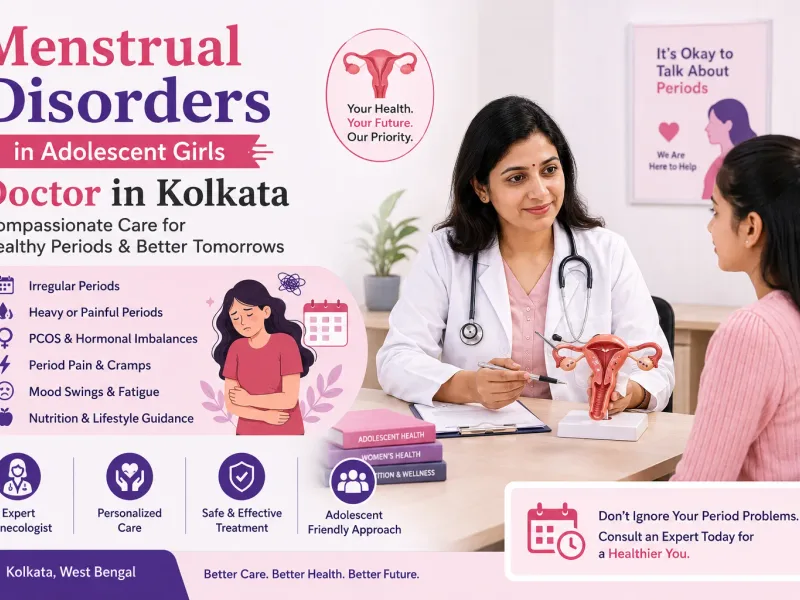
If you are searching for a Menstrual Disorders in Adolescent Girls Doctor in Kolkata, early evaluation by an experienced gynecologist can help identify the underlying cause of irregular or painful periods. While menstrual irregularities are common during the first few years after puberty, persistent
July 31, 2026

If you are searching for a Fibroid & Endometriosis doctor in Kolkata, choosing an experienced gynecologist with expertise in minimally invasive gynecological surgery is essential. Uterine fibroids and endometriosis are two common but different conditions that can cause pelvic pain, heavy menstrual b
July 31, 2026