

Emergency & Help
24/7 Emergency & General Advisory
🚨 24/7 Medical Emergency
Non-Emergency Advisory
10:00 AM – 6:00 PM, Mon–Sat
For appointments & general queries.
24/7 Emergency & General Advisory
🚨 24/7 Medical Emergency
Non-Emergency Advisory
10:00 AM – 6:00 PM, Mon–Sat
For appointments & general queries.
Understand India's MTP Act, abortion procedures, legal rights, and where to find safe services. Get clear, practical information for informed reproductive health decisions.

Navigating the complexities of abortion can be a deeply personal and sometimes overwhelming experience. In India, the Medical Termination of Pregnancy (MTP) Act provides a legal framework for accessing abortion services, aiming to ensure safe procedures and protect reproductive rights. Understanding these laws and your options is the first step towards making informed decisions about your reproductive health. This guide aims to provide clear, practical information for readers in India, demystifying the process and highlighting where to seek help.
The Medical Termination of Pregnancy (MTP) Act, first enacted in 1971 and significantly amended in 2021, governs abortion services in India. The Act allows for the termination of pregnancy under specific conditions and within certain gestational limits. The primary goal is to reduce illegal abortions, which pose serious health risks, and to safeguard the health and well-being of women.
The MTP Act outlines the conditions under which an abortion can be legally performed. These generally relate to the health of the woman, the health of the child, and cases of pregnancy resulting from sexual assault.
There are two main methods for medically terminating a pregnancy, and the choice often depends on the gestational age and individual circumstances.
This nonsurgical method involves taking prescription medications, typically Mifepristone and Misoprostol, to end a pregnancy. It is generally used for early pregnancies, usually up to 10-12 weeks of gestation.
Surgical abortion involves a minor procedure performed by a doctor in a clinic or hospital setting. This method is typically used for pregnancies beyond the first trimester or when medical abortion is not suitable.
Accessing safe abortion services is critical. The MTP Act requires that abortions be performed by Registered Medical Practitioners (RMPs) in facilities approved by the government.
Important Note: Be cautious of unregistered or informal providers, as they can pose serious health risks. Always verify the credentials of your healthcare provider and the facility.
Misinformation surrounding abortion can create undue anxiety. Here are some common myths debunked:
After an abortion procedure, whether medical or surgical, it is vital to monitor your health. Seek immediate medical attention if you experience any of the following:
Making decisions about reproductive health is a personal journey. India's MTP Act provides a vital legal pathway for safe abortion services. Prioritizing your health means seeking care from qualified professionals in approved facilities. If you are considering an abortion, remember that you have rights, and resources are available to support you. Do not hesitate to reach out to healthcare providers or trusted organizations for accurate information and confidential support. Your well-being is paramount.
Q1: Is abortion legal in India?
A: Yes, abortion is legal in India under the Medical Termination of Pregnancy (MTP) Act, with provisions for termination up to 24 weeks of pregnancy in certain circumstances.
Q2: What is the difference between medical and surgical abortion?
A: Medical abortion uses medications to end a pregnancy, typically for early stages. Surgical abortion involves a minor procedure performed by a doctor, suitable for later stages or when medication is not an option.
Q3: How much does an abortion cost in India?
A: Costs can vary significantly depending on the facility and the type of procedure. Government hospitals often provide services at low or no cost. Private clinics will have varying charges.
Q4: Can I get an abortion if I am unmarried?
A: Yes, the MTP Act applies to all women, regardless of marital status. Pregnancy resulting from rape or consensual sexual relations can be terminated.
Q5: What if I am concerned about my privacy?
A: The MTP Act strictly mandates the confidentiality of women undergoing abortion. Healthcare providers are legally bound to protect your personal information.
Visit Hospital
Near You
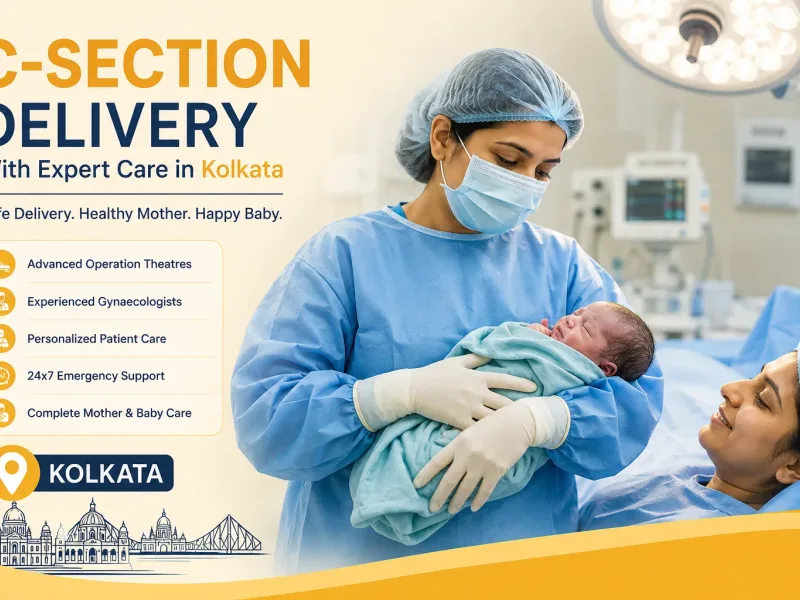
A cesarean section (C-section) is a surgical delivery in which a baby is born through an incision in the mother's abdomen and uterus. In Kolkata, several experienced obstetricians and well-equipped hospitals offer C-section services for planned and emergency deliveries. Understanding when a C-sectio
July 31, 2026
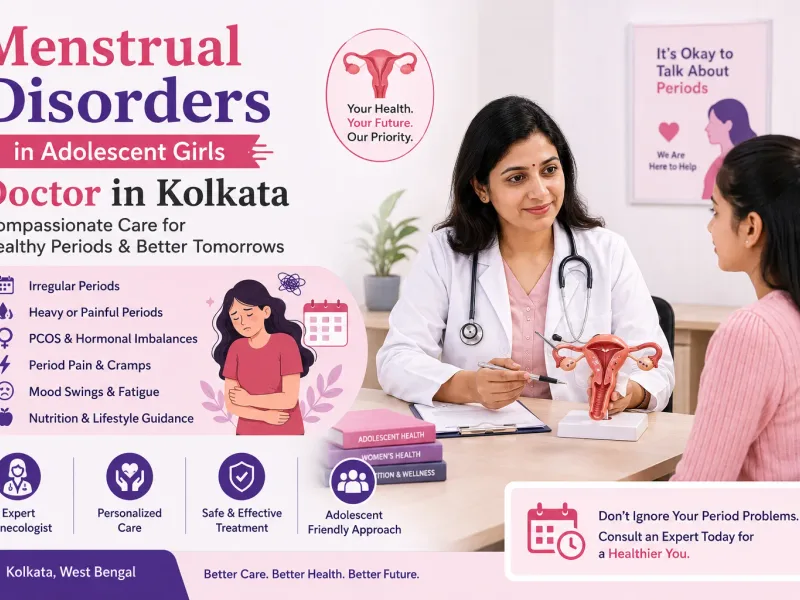
If you are searching for a Menstrual Disorders in Adolescent Girls Doctor in Kolkata, early evaluation by an experienced gynecologist can help identify the underlying cause of irregular or painful periods. While menstrual irregularities are common during the first few years after puberty, persistent
July 31, 2026
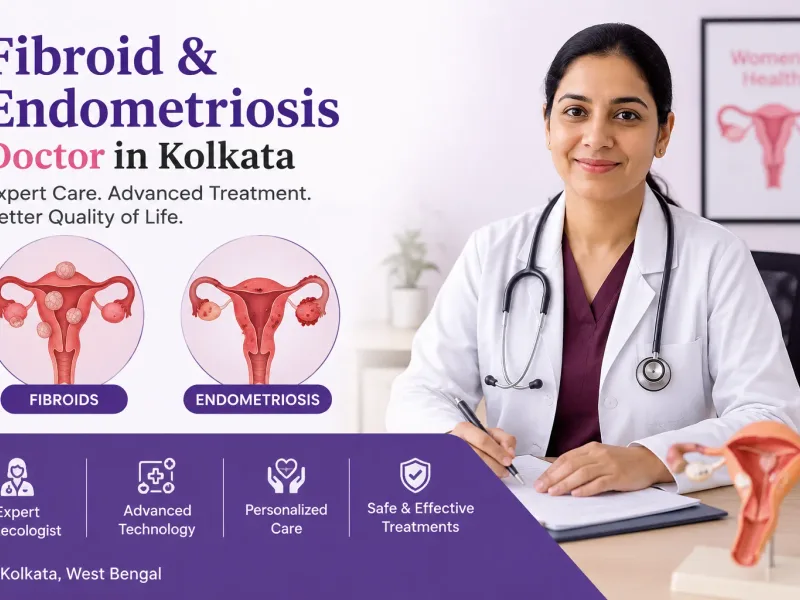
If you are searching for a Fibroid & Endometriosis doctor in Kolkata, choosing an experienced gynecologist with expertise in minimally invasive gynecological surgery is essential. Uterine fibroids and endometriosis are two common but different conditions that can cause pelvic pain, heavy menstrual b
July 31, 2026