

Emergency & Help
24/7 Emergency & General Advisory
🚨 24/7 Medical Emergency
Non-Emergency Advisory
10:00 AM – 6:00 PM, Mon–Sat
For appointments & general queries.
24/7 Emergency & General Advisory
🚨 24/7 Medical Emergency
Non-Emergency Advisory
10:00 AM – 6:00 PM, Mon–Sat
For appointments & general queries.
Learn about your rights and safe options for abortion in India under the MTP Act. Understand medical and surgical methods, find reliable providers, and debunk common myths.
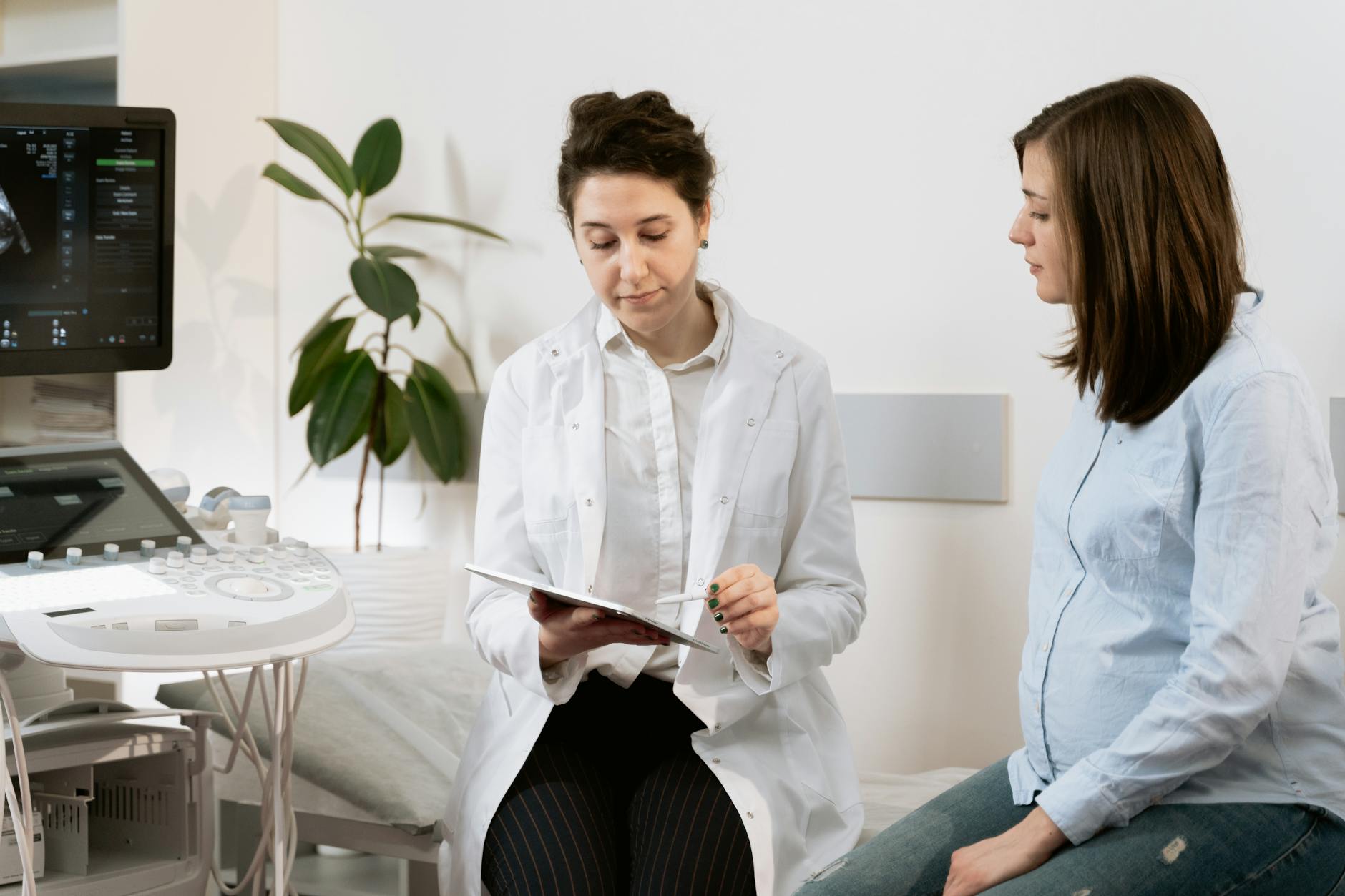
Navigating decisions about pregnancy can be deeply personal and complex. In India, understanding your rights and the available options regarding abortion is essential. The Medical Termination of Pregnancy (MTP) Act, 1971, and its subsequent amendments, provide a legal framework for abortion services. This guide aims to clarify the legal provisions, different methods of termination, and where to seek safe and legal services. We will cover common myths, the process, and important considerations for women in India.
The Medical Termination of Pregnancy (MTP) Act, 1971, was enacted to reduce deaths and injuries resulting from unsafe abortions. It allows for the termination of pregnancy under certain conditions and by qualified medical practitioners. The Act has been amended over time to expand access and align with evolving healthcare standards.
The MTP (Amendment) Act, 2021, brought significant changes, making abortion more accessible:
There are primarily two methods for medically terminating a pregnancy:
This is a nonsurgical method that uses prescription medications to end a pregnancy. It's generally suitable for early pregnancies, typically up to 10-12 weeks of gestation.
Surgical abortion involves a minor procedure performed by a qualified medical practitioner in a clinical setting. The method used depends on the length of the pregnancy.
If you are considering a termination, understanding the process and potential symptoms is important. Early consultation with a healthcare provider is key.
Priya, a 28-year-old working professional, discovered she was unexpectedly pregnant. After careful consideration and discussion with her partner, she decided that continuing the pregnancy was not the right choice for her at this time. She felt anxious about the process but was determined to seek safe and legal options. Priya reached out to a trusted women's health clinic recommended by a friend to understand her choices under the MTP Act.
Accessing safe and legal abortion services is crucial for women's health and safety. Here’s how you can find reputable providers:
Unsafe abortions performed by untrained individuals or in unhygienic conditions pose severe health risks, including severe bleeding, infection, uterine perforation, and even death. Always choose a legal and safe option.
Misinformation about abortion is common. Let's address some prevalent myths:
Fact: For most women, a legal and safely performed abortion does not affect their ability to get pregnant in the future. Infertility is more often linked to complications from unsafe abortions or other underlying reproductive health issues.
Fact: Numerous studies have found no link between abortion and an increased risk of breast cancer. Factors like reproductive history, genetics, and lifestyle play a more significant role.
Fact: While some individuals may experience emotional distress, many do not. The emotional response to abortion varies greatly and is influenced by personal circumstances, support systems, and individual beliefs. Post-abortion counselling is available if needed.
Fact: There are no physical signs that reliably indicate whether someone has had an abortion, especially if it was performed safely and early in pregnancy.
While safe abortions are generally straightforward, it's important to know when to seek immediate medical attention. Contact your doctor or go to the nearest hospital if you experience any of the following after a termination procedure:
These symptoms could indicate a complication such as incomplete abortion, infection, or excessive bleeding, all of which require prompt medical care.
A: A medical abortion typically involves taking two sets of pills. The process of expelling the pregnancy can take several hours to a couple of days after taking the second medication. Follow-up with your doctor is essential to ensure the abortion is complete.
A: Pain management options, including local anesthesia, sedation, or pain medication, are provided during surgical abortions to minimize discomfort. You may experience cramping afterward, which can be managed with medication.
A: Yes, but it's crucial to inform your doctor about all your medical conditions and medications. They will assess the risks and recommend the safest method for you. Some conditions might require specific precautions or a different approach.
A: After an abortion, you will likely experience some bleeding and cramping. Your doctor will provide post-procedure care instructions, including when to follow up. It's important to rest and take care of yourself. Emotional support is also readily available.
Visit Hospital
Near You
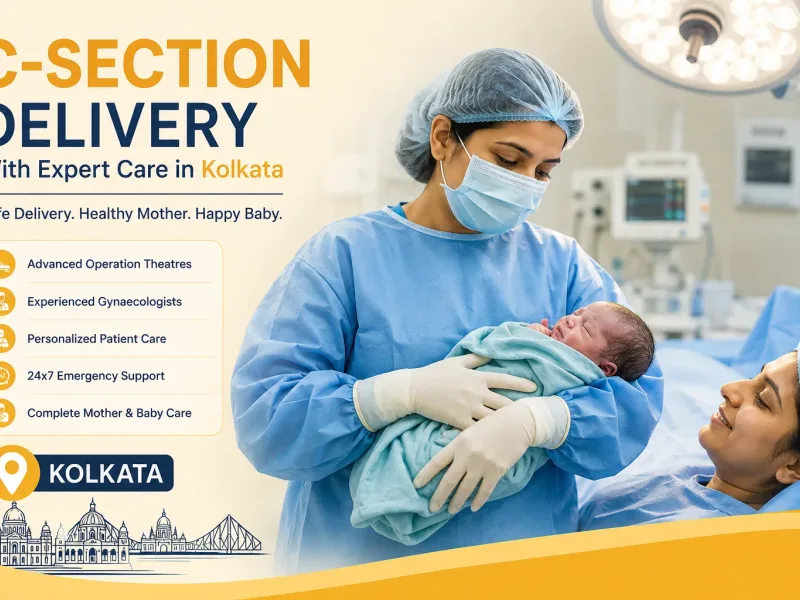
A cesarean section (C-section) is a surgical delivery in which a baby is born through an incision in the mother's abdomen and uterus. In Kolkata, several experienced obstetricians and well-equipped hospitals offer C-section services for planned and emergency deliveries. Understanding when a C-sectio
July 31, 2026
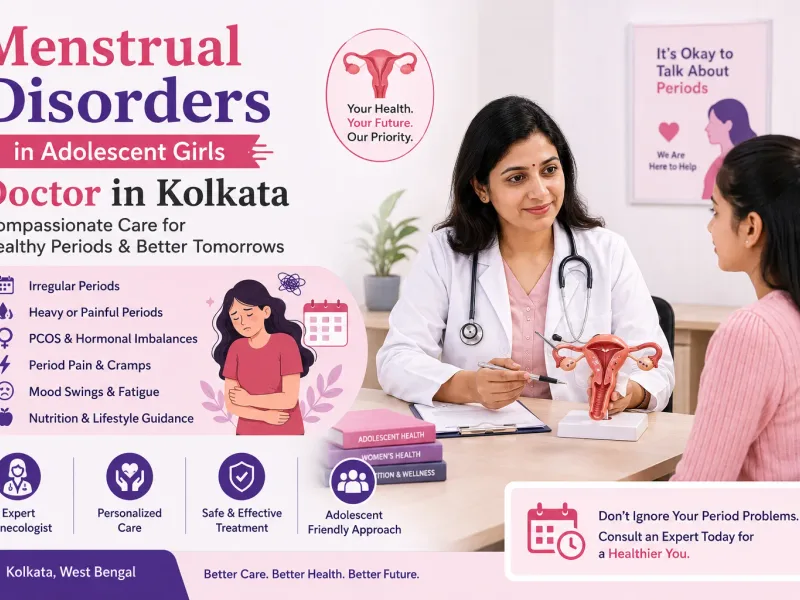
If you are searching for a Menstrual Disorders in Adolescent Girls Doctor in Kolkata, early evaluation by an experienced gynecologist can help identify the underlying cause of irregular or painful periods. While menstrual irregularities are common during the first few years after puberty, persistent
July 31, 2026
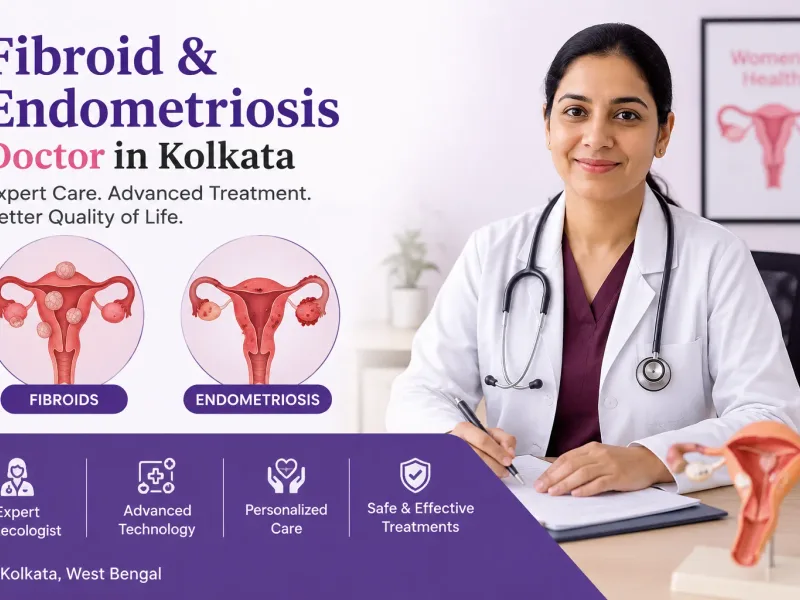
If you are searching for a Fibroid & Endometriosis doctor in Kolkata, choosing an experienced gynecologist with expertise in minimally invasive gynecological surgery is essential. Uterine fibroids and endometriosis are two common but different conditions that can cause pelvic pain, heavy menstrual b
July 31, 2026