

Emergency & Help
24/7 Emergency & General Advisory
🚨 24/7 Medical Emergency
Non-Emergency Advisory
10:00 AM – 6:00 PM, Mon–Sat
For appointments & general queries.
24/7 Emergency & General Advisory
🚨 24/7 Medical Emergency
Non-Emergency Advisory
10:00 AM – 6:00 PM, Mon–Sat
For appointments & general queries.
Explore safe and effective options for breast growth for transgender individuals assigned male at birth, including temporary tricks, hormone therapy, and surgical augmentation. Learn about what to expect and when to consult a doctor.

For many transgender women and nonbinary individuals assigned male at birth, developing breasts is a significant step in aligning their physical appearance with their gender identity. This journey can bring immense relief from gender dysphoria and foster a greater sense of comfort and authenticity in one's body. While the desire for larger breasts is common, understanding the safe and effective methods for achieving this is paramount. This guide explores the options available, from temporary cosmetic tricks to medical interventions like hormone therapy and surgery, offering a clear and practical overview for individuals in India.
The desire for breast growth is deeply personal and can be a crucial part of a transgender person's transition. It's essential to approach this with accurate information and realistic expectations. Let's look at the various avenues you can explore.
If you're seeking immediate changes or exploring options before committing to medical treatments, several temporary measures can help create the illusion of larger breasts:
While exercises won't increase breast tissue size (as breasts are primarily composed of fat and glandular tissue), strengthening the underlying pectoral muscles can improve the overall appearance of the chest, making it look perkier and more defined. Consider incorporating the following into your fitness routine:
Remember to focus on proper form to prevent injury. Additionally, exercises that improve posture, such as back strengthening movements, can complement these efforts.
There is no specific diet scientifically proven to increase breast size. However, some individuals explore weight management strategies to influence their overall body shape, which can indirectly affect how their chest appears. Gaining weight may lead to an increase in breast fat, while losing weight around the midsection can create a more pronounced hourglass figure, emphasizing the chest.
You might come across various herbal supplements marketed for breast enhancement. These often contain ingredients that mimic the effects of estrogen. While some herbs have traditional uses related to reproductive health, there is limited scientific evidence to support their effectiveness and safety for breast growth. It's crucial to remember that herbal supplements are not regulated by authorities like the FDA in the same way as pharmaceuticals. This lack of regulation means their purity, potency, and safety can vary, posing potential risks.
Hormone therapy, specifically feminizing hormone therapy, is a cornerstone of medical transition for many transgender women and nonbinary individuals. This therapy typically involves estrogen and often an anti-androgen. Estrogen plays a key role in developing secondary sex characteristics, including breast tissue growth.
What to Expect with Hormone Therapy:
Consulting Your Doctor: It is absolutely essential to undergo hormone therapy under the supervision of a qualified healthcare professional. They can prescribe the correct dosages, monitor your health, and manage any potential side effects. Self-medicating with hormones is extremely dangerous and can have severe health consequences.
For individuals seeking more significant and predictable breast size increases, surgical breast augmentation is an option. This procedure involves placing implants, usually made of silicone or saline, under the breast tissue or chest muscle.
The Procedure:
Safety and Outcomes: Breast augmentation is generally considered a safe procedure. Many studies, including a 2019 review, indicate that it significantly improves gender dysphoria and satisfaction with one's body among transgender women. As with any surgery, there are potential risks and complications, which your surgeon will discuss with you thoroughly.
Ravi, a 24-year-old transgender man assigned female at birth, felt uncomfortable with the development of breasts during puberty. He wanted a more masculine chest. After consulting with an endocrinologist and a therapist, he began testosterone hormone therapy. Over time, he noticed changes in his body shape and a reduction in breast size. He also found that incorporating chest-strengthening exercises made his upper body appear more muscular and aligned with his identity. For him, this combination of medical intervention and lifestyle changes significantly reduced his dysphoria.
It is vital to consult with healthcare professionals throughout your journey. You should seek medical advice if you:
Your doctor, often an endocrinologist or a surgeon specializing in gender-affirming care, can provide personalized guidance, ensure your safety, and help you achieve your goals responsibly.
Q1: Can I naturally increase my breast size without hormones or surgery?
A1: While temporary cosmetic tricks like padded bras and strategic clothing can create the illusion of larger breasts, there are no scientifically proven natural methods to permanently increase breast tissue size. Exercises can strengthen underlying muscles, improving appearance, but they don't grow breast tissue itself.
Q2: How long does breast growth take with hormone therapy?
A2: Breast growth with hormone therapy is a gradual process that can take months to several years. Most significant changes are often observed within the first year, but individual results vary widely.
Q3: Are herbal breast enhancement supplements safe?
A3: The safety and effectiveness of herbal supplements for breast enhancement are largely unproven, and they are not regulated. There is a risk of unknown side effects or interactions. It is best to consult a doctor before trying any such products.
Q4: What is the recovery like after breast augmentation surgery?
A4: Recovery typically involves rest, pain management, and following specific post-operative instructions. Most individuals can return to light activities within a week or two, with full recovery taking several weeks to months.
Visit Hospital
Near You
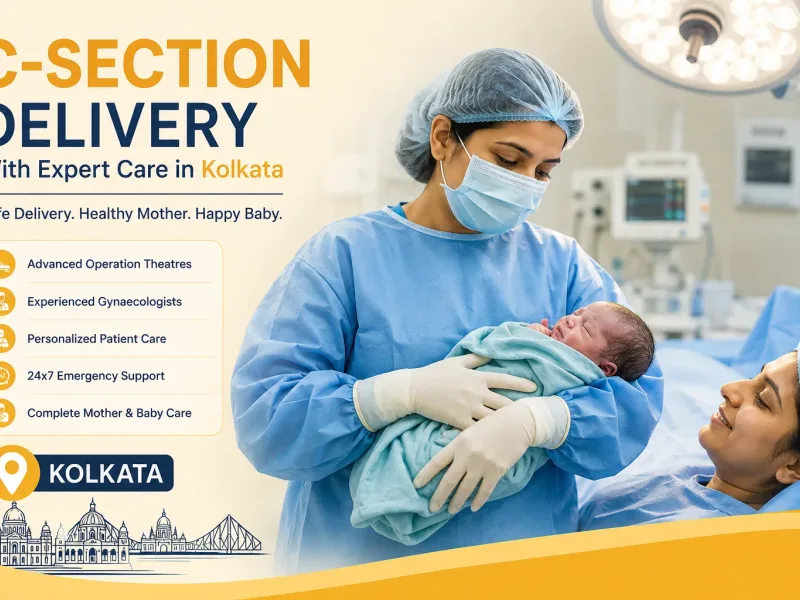
A cesarean section (C-section) is a surgical delivery in which a baby is born through an incision in the mother's abdomen and uterus. In Kolkata, several experienced obstetricians and well-equipped hospitals offer C-section services for planned and emergency deliveries. Understanding when a C-sectio
July 31, 2026
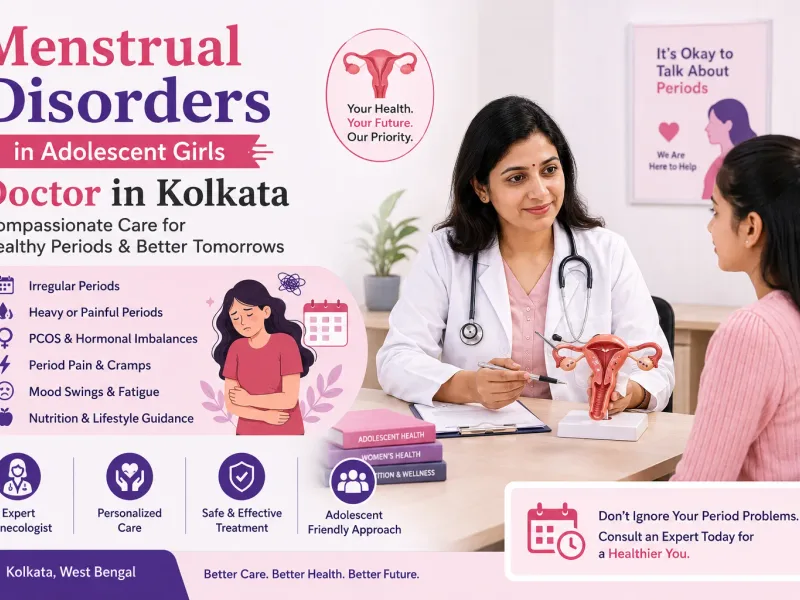
If you are searching for a Menstrual Disorders in Adolescent Girls Doctor in Kolkata, early evaluation by an experienced gynecologist can help identify the underlying cause of irregular or painful periods. While menstrual irregularities are common during the first few years after puberty, persistent
July 31, 2026
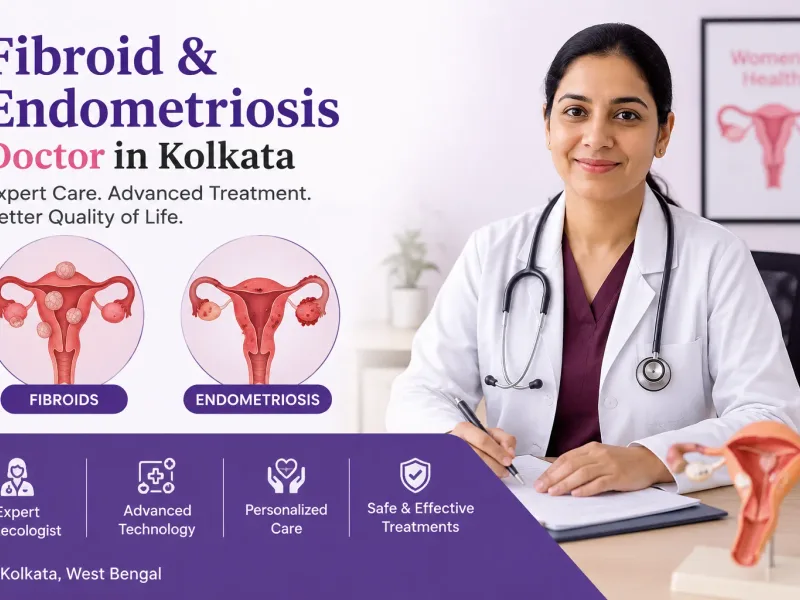
If you are searching for a Fibroid & Endometriosis doctor in Kolkata, choosing an experienced gynecologist with expertise in minimally invasive gynecological surgery is essential. Uterine fibroids and endometriosis are two common but different conditions that can cause pelvic pain, heavy menstrual b
July 31, 2026