

Emergency & Help
24/7 Emergency & General Advisory
🚨 24/7 Medical Emergency
Non-Emergency Advisory
10:00 AM – 6:00 PM, Mon–Sat
For appointments & general queries.
24/7 Emergency & General Advisory
🚨 24/7 Medical Emergency
Non-Emergency Advisory
10:00 AM – 6:00 PM, Mon–Sat
For appointments & general queries.
Explore temporary enhancements, hormone therapy, and surgical options for breast growth for transgender individuals assigned male at birth. Understand the processes, timelines, and what to expect.

For many transgender women and nonbinary individuals assigned male at birth, developing breasts is an important step in aligning their physical appearance with their gender identity. This journey can significantly help in alleviating gender dysphoria and fostering a greater sense of comfort and self-acceptance. While surgical interventions are a well-known path, there are other methods and considerations involved in breast growth. This guide aims to provide clear, practical information for Indian readers exploring their options, covering temporary enhancements, hormone therapy, and surgical procedures. We understand that this is a personal journey, and our goal is to offer reliable insights in an empathetic and professional manner.
Before considering more permanent solutions, several non-medical methods can help create the illusion of larger breasts. These are quick fixes that can boost confidence and provide immediate results. They are particularly useful for special occasions or for testing different looks.
Choosing the right bra is key. A slightly larger bra than usual, especially a padded one, can make a noticeable difference. For even more volume, consider bras with silicone inserts or even layering two padded bras. While comfort is important, experimenting with different styles can help you find what works best for you. Imagine attending a family gathering and wanting to feel more confident; a well-chosen padded bra can offer that subtle enhancement.
Makeup artists have developed clever techniques to enhance the appearance of the décolletage. Applying a stripe of bronzer down the center of the chest, between the breasts, can create a shadow effect that adds depth. Similarly, a touch of shimmering highlighter on the upper mounds of the breasts can make them appear fuller and perkier, especially when wearing lower-cut tops. Many tutorials are available online demonstrating these techniques.
The clothes you wear can dramatically influence how your chest appears. Opting for V-neck or plunging necklines naturally draws attention upwards and can create a more pronounced décolletage. If you prefer more coverage, high-necked tops like polo necks, when combined with the bra padding techniques mentioned earlier, can also contribute to a fuller look.
Certain types of shapewear are designed to sculpt the body and can also enhance the appearance of the breasts. Some garments are specifically made to push the breasts together, creating a fuller and more uplifted look. This can contribute to a more hourglass-like figure, which many find aesthetically pleasing.
Your posture has a significant impact on how your chest is perceived. Slouching or hunching forward can make your chest appear smaller and less prominent. Consciously improving your posture by standing and sitting upright can make a surprising difference. However, avoid overcorrecting by arching your back too far, as this can lead to long-term discomfort or pain.
While exercises won't increase breast tissue size directly, strengthening the pectoral muscles underneath can make the breasts appear perkier and slightly larger. Effective exercises include push-ups, plank variations, chest flys, and chest presses. You can perform these with or without light dumbbells. Additionally, specific exercises can help improve your overall posture, further enhancing your appearance.
For many, hormone therapy is a primary method for developing breasts. This is part of a process often referred to as feminization, typically undertaken by transgender women and nonbinary individuals assigned male at birth who desire female secondary sex characteristics. The goal is to introduce estrogen and block androgens, mimicking the hormonal environment of cisgender women during puberty.
Hormone therapy usually involves a combination of estrogen and anti-androgen medications. Estrogen stimulates the development of breast tissue, while anti-androgens reduce the effects of testosterone. The specific regimen, dosages, and duration are highly individualized and must be determined in consultation with a qualified healthcare professional experienced in transgender care.
Breast growth from hormone therapy is a gradual process. Studies have shown that significant growth can occur within the first year of starting therapy. For instance, one study observed an average breast size increase of 3.1 centimeters in the first year, with most of this growth concentrated in the initial six months. It's important to have realistic expectations, as the extent of growth varies greatly among individuals.
Like all medical treatments, hormone therapy carries potential side effects and risks. These can include mood changes, weight fluctuations, increased risk of blood clots, and changes in libido. Regular medical supervision is essential to monitor your health, manage side effects, and adjust the treatment plan as needed. Your doctor will discuss these risks thoroughly with you.
For those seeking more significant or immediate breast size increases, surgical breast augmentation is an option. This involves implanting prostheses to enhance breast volume and shape.
Breast augmentation surgery typically takes one to two hours. Before the procedure, you will have detailed discussions with your surgeon about your desired breast size, the type of implants (e.g., silicone or saline), and the surgical technique they will use. Implants can be placed either above or below the chest muscle, depending on your anatomy and the surgeon's recommendation.
Breast augmentation is generally considered a safe procedure for transgender women. Studies have indicated high satisfaction rates, with many individuals reporting a significant improvement in their gender dysphoria and overall well-being. As with any surgery, there are risks, including infection, implant rupture, or changes in nipple sensation. Choosing an experienced and board-certified surgeon is paramount for a safe and successful outcome.
The impact of diet and supplements on breast size is a topic of much discussion, but scientific evidence is limited.
There are no specific diets scientifically proven to increase breast size. Some individuals attempt to gain weight, believing it will increase breast size due to the fatty tissue component of breasts. Others focus on losing weight around their midsection to create a more pronounced hourglass figure, which can make the chest appear relatively larger. A balanced diet supporting overall health is always recommended.
Many herbal supplements marketed for breast enhancement contain ingredients that mimic estrogen's effects. These are often derived from herbs traditionally used for reproductive health. However, robust scientific evidence supporting their effectiveness and safety for breast growth is lacking. Furthermore, herbal supplements are not regulated by bodies like the FDA, meaning their purity and potency can vary, and they may carry unknown risks. It is crucial to discuss any supplement use with your doctor before starting.
It is essential to consult with healthcare professionals throughout your journey. Before starting any form of hormone therapy or considering surgery, schedule a consultation with a doctor experienced in transgender healthcare. They can assess your overall health, discuss your goals, explain the risks and benefits of each option, and help you make informed decisions. Regular follow-ups are also necessary to monitor your progress and manage any potential side effects, especially when on hormone therapy.
While temporary methods like padded bras, makeup, and strategic clothing can create the illusion of larger breasts, significant natural growth of breast tissue in individuals assigned male at birth is not typically possible without hormonal influence or surgical intervention. Exercises can strengthen chest muscles, making breasts appear perkier, but they do not increase breast tissue volume.
Breast growth on hormone therapy is gradual. While some changes might be noticeable within months, significant development usually occurs over one to two years. The majority of growth often happens in the first year.
Breast augmentation with implants is generally considered safe for transgender women, with high satisfaction rates reported. However, like all surgical procedures, it carries risks. Choosing a qualified surgeon and following post-operative care instructions are vital for safety and optimal results.
Potential risks include mood swings, weight changes, and an increased risk of blood clots. Regular monitoring by a healthcare provider is crucial to manage these risks effectively.
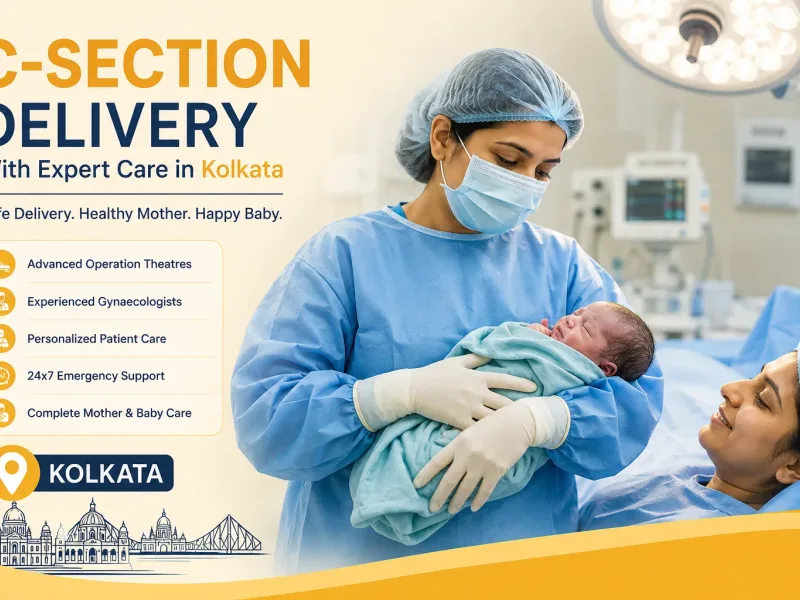
A cesarean section (C-section) is a surgical delivery in which a baby is born through an incision in the mother's abdomen and uterus. In Kolkata, several experienced obstetricians and well-equipped hospitals offer C-section services for planned and emergency deliveries. Understanding when a C-sectio
July 31, 2026
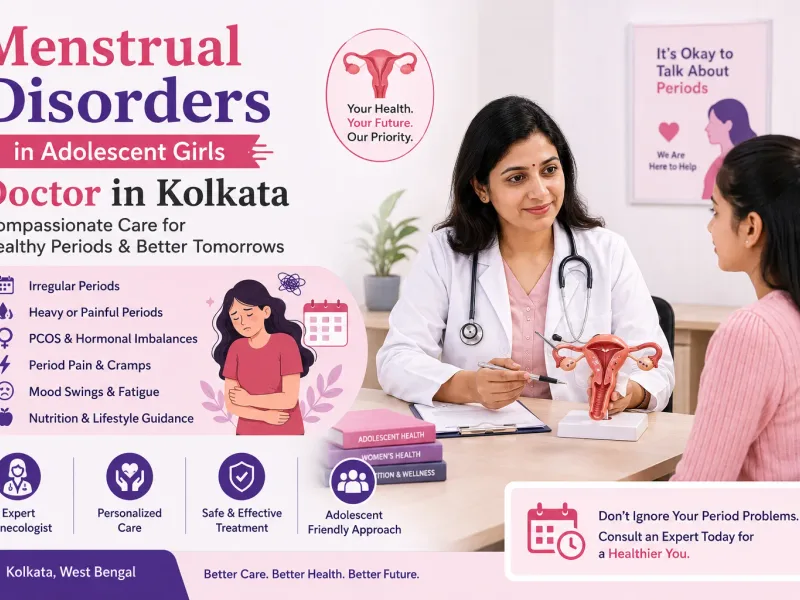
If you are searching for a Menstrual Disorders in Adolescent Girls Doctor in Kolkata, early evaluation by an experienced gynecologist can help identify the underlying cause of irregular or painful periods. While menstrual irregularities are common during the first few years after puberty, persistent
July 31, 2026
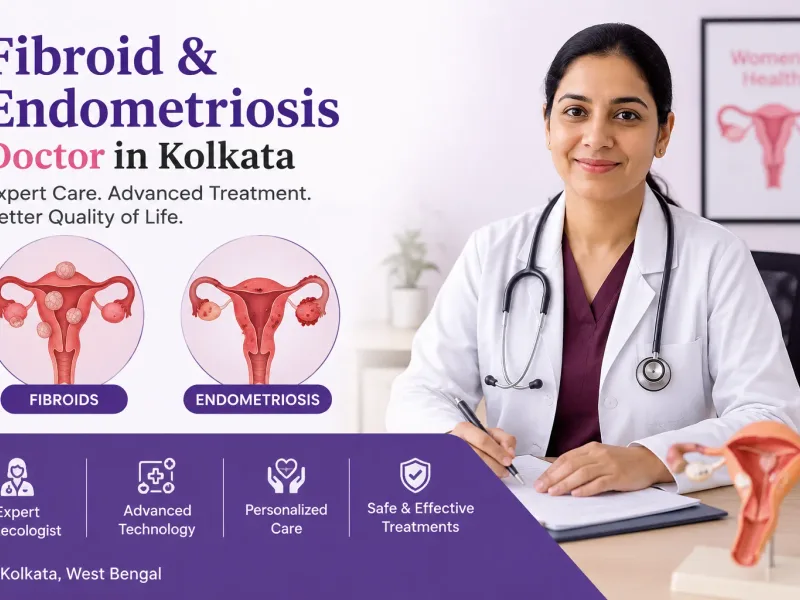
If you are searching for a Fibroid & Endometriosis doctor in Kolkata, choosing an experienced gynecologist with expertise in minimally invasive gynecological surgery is essential. Uterine fibroids and endometriosis are two common but different conditions that can cause pelvic pain, heavy menstrual b
July 31, 2026