

Emergency & Help
24/7 Emergency & General Advisory
🚨 24/7 Medical Emergency
Non-Emergency Advisory
10:00 AM – 6:00 PM, Mon–Sat
For appointments & general queries.
24/7 Emergency & General Advisory
🚨 24/7 Medical Emergency
Non-Emergency Advisory
10:00 AM – 6:00 PM, Mon–Sat
For appointments & general queries.
Learn about cramping after IUD insertion and removal, including causes, what to expect, pain management, and when to see a doctor.

The insertion or removal of an Intrauterine Device (IUD) is a common procedure for many women seeking long-term contraception. While generally safe and effective, it's not uncommon to experience cramping during and after the procedure. This article aims to provide a comprehensive guide for Indian women on what to expect regarding IUD-related cramping, its causes, management, and when to seek medical advice.
An IUD is a small, T-shaped device inserted into the uterus by a healthcare provider. It's a highly effective form of reversible birth control that can last for several years, depending on the type. There are two main types of IUDs:
Cramping is a natural response to the insertion or removal of an IUD. The primary reason for this discomfort is the opening of the cervix, which is the lower, narrow part of your uterus that opens into the vagina. The IUD must pass through the cervical canal to be placed inside the uterus. This process can cause sensations ranging from mild discomfort to more significant cramping.
The experience of cramping during and immediately after IUD insertion can vary significantly from person to person. Some women report feeling discomfort similar to menstrual cramps, while others may experience more intense pain. The duration of this discomfort also varies:
Fortunately, there are several ways to manage and alleviate cramping after IUD insertion:
Discussing pain management with your doctor in advance is crucial. Some recommended options include:
The impact of an IUD on your menstrual cycle depends on the type of IUD and your individual body's response. This can include changes in bleeding patterns and cramping intensity.
It's important to note that for some individuals, cramping and bleeding may gradually decrease in severity but continue on and off for the first few weeks or months after insertion. These symptoms should typically subside entirely within the first 3 to 6 months, though for some, it might take up to a year for symptoms to completely resolve.
While some cramping and spotting are normal, it's essential to know when to seek medical attention. Contact your doctor if you experience any of the following:
Your doctor can perform an examination, including an ultrasound if necessary, to check the IUD's position and rule out any complications like infection or expulsion. If the IUD is out of place, it may need to be repositioned or removed.
Similar to insertion, IUD removal can also cause cramping. The procedure is generally quick, and cramping is usually mild and temporary. Your doctor will gently pull on the IUD strings to remove the device. Some women experience mild cramps immediately after removal, which typically subside within a few hours or days. If you experience severe or prolonged pain after removal, consult your doctor.
While cramping is a common side effect, it's usually manageable. The key to managing it effectively lies in:
Cramping after IUD insertion or removal is a common experience for many women. While it can be uncomfortable, understanding what to expect and knowing how to manage it can make the process much smoother. By communicating openly with your healthcare provider, utilizing pain relief strategies, and allowing your body time to adjust, most women find that the benefits of IUD contraception outweigh the temporary discomfort. Always consult your doctor if you have persistent or severe pain, or any other concerns regarding your IUD.
Visit Hospital
Near You

A cesarean section (C-section) is a surgical delivery in which a baby is born through an incision in the mother's abdomen and uterus. In Kolkata, several experienced obstetricians and well-equipped hospitals offer C-section services for planned and emergency deliveries. Understanding when a C-sectio
July 31, 2026
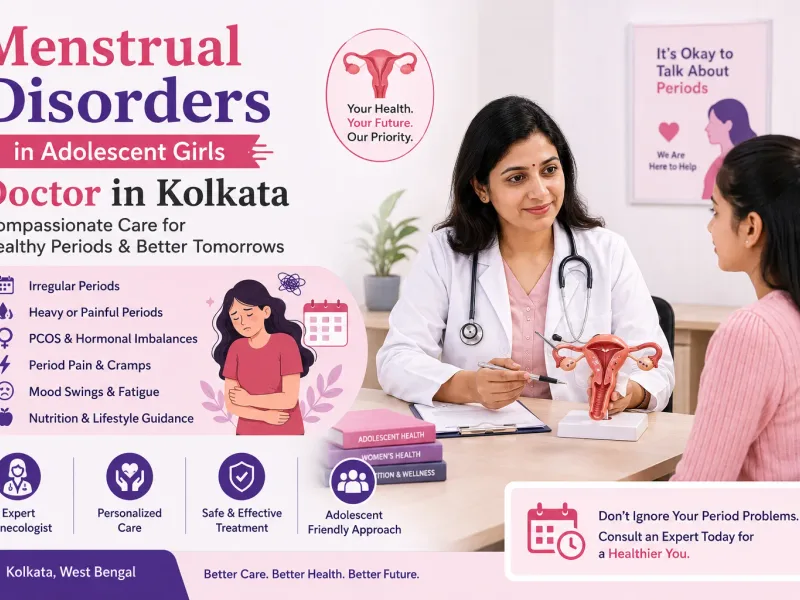
If you are searching for a Menstrual Disorders in Adolescent Girls Doctor in Kolkata, early evaluation by an experienced gynecologist can help identify the underlying cause of irregular or painful periods. While menstrual irregularities are common during the first few years after puberty, persistent
July 31, 2026
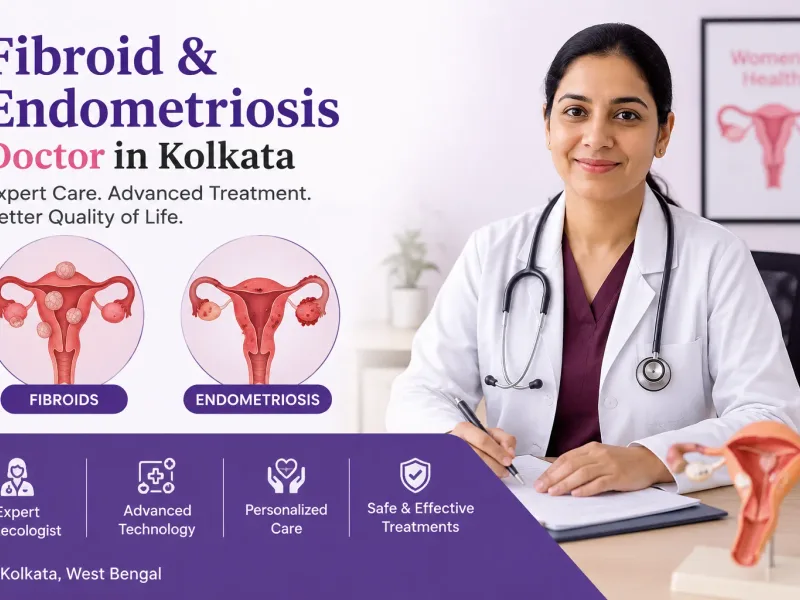
If you are searching for a Fibroid & Endometriosis doctor in Kolkata, choosing an experienced gynecologist with expertise in minimally invasive gynecological surgery is essential. Uterine fibroids and endometriosis are two common but different conditions that can cause pelvic pain, heavy menstrual b
July 31, 2026