

Emergency & Help
24/7 Emergency & General Advisory
🚨 24/7 Medical Emergency
Non-Emergency Advisory
10:00 AM – 6:00 PM, Mon–Sat
For appointments & general queries.
24/7 Emergency & General Advisory
🚨 24/7 Medical Emergency
Non-Emergency Advisory
10:00 AM – 6:00 PM, Mon–Sat
For appointments & general queries.
Understand the common physical and hormonal changes after an abortion, including weight fluctuations, bleeding, and cramping. Learn when to seek medical advice and find support resources.

An abortion, whether medical or surgical, is a significant event that can bring about various physical and emotional changes. While every individual's experience is unique, understanding what to expect can help you navigate this period with more confidence and peace of mind. This guide aims to provide clear, practical information for Indian readers about the common bodily changes that may occur after an abortion, focusing on hormonal shifts, weight fluctuations, and other physical symptoms. We will also cover when to seek medical advice and resources for support.
Pregnancy involves a complex interplay of hormones, and their levels do not return to pre-pregnancy norms immediately after an abortion. The hormone human chorionic gonadotropin (hCG), which is produced during pregnancy, gradually decreases after an abortion. This hormonal fluctuation can affect various bodily functions, including metabolism and appetite.
Dr. Alan Lindemann, an OB-GYN, explains that as pregnancy progresses, nausea can be replaced by hunger. If an abortion occurs later in the pregnancy, weight gain associated with pregnancy might continue for a period even after pregnancy hormones have subsided. Similarly, the shift from a pregnant to a non-pregnant state can lead to the body storing less water, potentially resulting in a decrease in water weight and increased urination, as noted by Dr. Greg Marchand, an OB-GYN.
Weight changes after an abortion can be a cause for concern for many. It's important to understand that both weight loss and weight gain can occur, and they are often linked to the hormonal shifts and other factors mentioned above.
Weight loss can be a normal and anticipated result of an abortion. This can happen for several reasons:
If you are concerned about significant or rapid weight loss, it is advisable to consult a doctor or healthcare professional.
While not a direct physiological response, weight gain can also occur after an abortion. This is often due to:
It's important to note that weight gain due to physiological reasons directly from the abortion itself is not expected. If you experience concerning weight gain, discussing it with a healthcare provider is recommended.
Beyond weight changes, several other physical symptoms are common after an abortion. These can vary in intensity and duration from person to person.
Cramping is a very common side effect, especially after a medical abortion. A 2012 study indicated that nearly 80% of participants who underwent a medical abortion experienced moderate to severe cramping. This cramping can last for up to two weeks post-abortion.
Bleeding is also a normal part of the process. The timing and amount of bleeding can differ:
Bleeding can last for up to 10 days. However, certain signs warrant medical attention.
While many post-abortion symptoms are normal, it's crucial to recognize when to seek professional medical help. Contact a healthcare provider immediately if you experience any of the following:
Prompt medical attention is essential to rule out complications and ensure your well-being.
The physical changes are often accompanied by emotional ones. It's important to have a support system in place. If you need help finding an abortion clinic, resources like Planned Parenthood's database and the National Abortion Federation's clinic locator can be helpful. For emotional support throughout and after the process, organizations like Exhale and All-Options offer valuable assistance.
While abortion is a medical procedure, focusing on overall wellness post-procedure is vital. This includes:
It typically takes a few weeks for hormone levels to return to their pre-pregnancy state after an abortion. The exact duration can vary depending on individual factors and how far along the pregnancy was.
Yes, some individuals may experience temporary nausea due to hormonal fluctuations even after an abortion.
While not a direct physiological response, weight gain can occur due to emotional factors influencing eating habits or increased appetite from hormonal shifts. If you are concerned, consult a doctor.
Bleeding can last for up to 10 days. However, heavy bleeding or signs of infection require immediate medical attention.
This depends on the type of abortion and your individual recovery. Your healthcare provider will give you specific guidance on when it is safe to resume normal activities, including exercise and sexual intercourse.
Disclaimer: This information is intended for general knowledge and informational purposes only, and does not constitute medical advice. It is essential to consult with a qualified healthcare professional for any health concerns or before making any decisions related to your health or treatment.
Visit Hospital
Near You

A cesarean section (C-section) is a surgical delivery in which a baby is born through an incision in the mother's abdomen and uterus. In Kolkata, several experienced obstetricians and well-equipped hospitals offer C-section services for planned and emergency deliveries. Understanding when a C-sectio
July 31, 2026
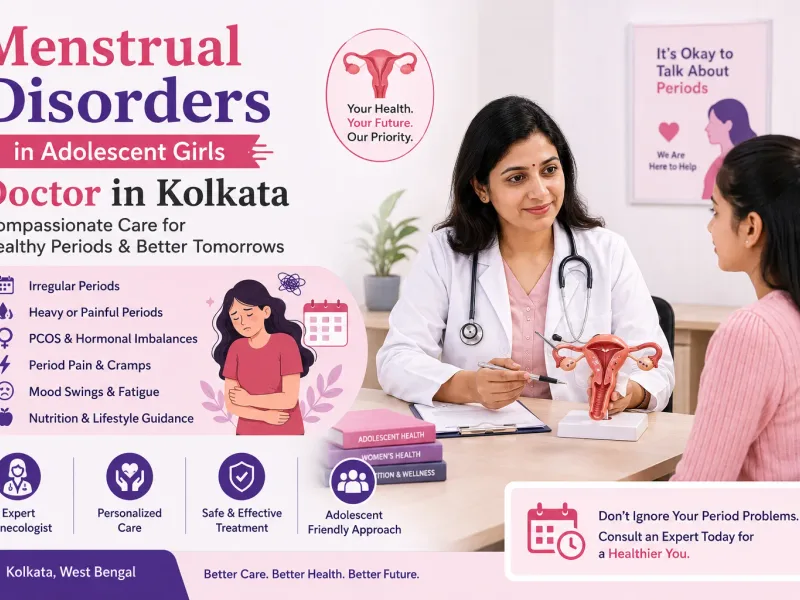
If you are searching for a Menstrual Disorders in Adolescent Girls Doctor in Kolkata, early evaluation by an experienced gynecologist can help identify the underlying cause of irregular or painful periods. While menstrual irregularities are common during the first few years after puberty, persistent
July 31, 2026

If you are searching for a Fibroid & Endometriosis doctor in Kolkata, choosing an experienced gynecologist with expertise in minimally invasive gynecological surgery is essential. Uterine fibroids and endometriosis are two common but different conditions that can cause pelvic pain, heavy menstrual b
July 31, 2026