

Emergency & Help
24/7 Emergency & General Advisory
🚨 24/7 Medical Emergency
Non-Emergency Advisory
10:00 AM – 6:00 PM, Mon–Sat
For appointments & general queries.
24/7 Emergency & General Advisory
🚨 24/7 Medical Emergency
Non-Emergency Advisory
10:00 AM – 6:00 PM, Mon–Sat
For appointments & general queries.
Discover how your pelvic floor works, why childbirth affects it, and how to strengthen it for recovery and long-term health. Learn about common postpartum concerns and when to seek help.

Bringing a new life into the world is an incredible journey, but it often comes with physical changes that can feel daunting. One area that frequently comes up in conversations about postpartum recovery is the pelvic floor. You might have heard whispers or even direct warnings about potential long-term issues like urinary incontinence after childbirth. Let's set the record straight: while some temporary changes are normal, you are not destined to experience a lifetime of discomfort or leakage. Your pelvic floor is a powerful muscle group, and with the right understanding and care, it can recover beautifully.
Think of your pelvic floor as a hammock of muscles and tissues nestled at the base of your pelvis. It stretches from your pubic bone at the front to your tailbone at the back. This incredible network supports your bladder, uterus, and bowels. It plays a crucial role in controlling the opening and closing of your urethra, vagina, and anus. Essentially, it's the unsung hero that helps manage continence and supports your core.
Pregnancy and childbirth place significant demands on the pelvic floor. The growing weight of the baby, hormonal changes, and the process of vaginal delivery can stretch and weaken these muscles. In some cases, there might be direct trauma to the pelvic floor muscles or surrounding tissues, such as tearing during delivery. Even a Cesarean section can impact the pelvic floor indirectly due to changes in posture and core support during pregnancy.
It's understandable to worry about what happens after delivery. Here are some common concerns and what you should know:
For many new mothers, experiencing some degree of urinary leakage, especially when coughing, sneezing, or laughing, is a temporary reality. This is often due to the stretching of the urethra and the pelvic floor muscles. For most uncomplicated deliveries, this should improve significantly within 6 weeks postpartum. If you experienced a significant tear (third or fourth degree) or direct injury, it might take up to 3 months to see substantial improvement. It's important to remember that while common, it's not something you have to live with indefinitely. Studies show that a significant percentage of women still experience some incontinence at 6 months postpartum, highlighting that recovery is a process.
Real-life scenario: Priya, a new mother, found herself leaking urine every time she laughed at her baby’s cute antics. She started to avoid laughing heartily, worried about embarrassing accidents. Her doctor reassured her that this was common in the early weeks and recommended specific pelvic floor exercises.
Pain in the pelvic region or lower back is also quite common during and after pregnancy. While back pain affects a large majority of pregnant individuals, it often reduces after delivery. However, if pelvic pain persists or is severe, it warrants attention. Pain that lasts longer than 24 hours, even if it only occurs with specific movements, should be discussed with a healthcare provider.
The idea that childbirth permanently makes the vagina “loose” is largely a myth. While the vaginal canal does stretch to accommodate the baby, its natural elasticity allows it to return to its pre-pregnancy state. The sensation of looseness is often related to the weakened pelvic floor muscles, not a permanent change in the vaginal structure itself. With proper rehabilitation, muscle tone can be restored.
Kegel exercises – the intentional squeezing and relaxing of pelvic floor muscles – are a well-known method for strengthening this area. However, they are just one piece of the puzzle. A comprehensive approach is often more effective:
While some postpartum changes are expected, don't hesitate to reach out to your doctor or a pelvic floor specialist if you experience any of the following:
Your healthcare provider can assess your condition, rule out other issues, and recommend appropriate treatment, which may include physical therapy, lifestyle changes, or in rare cases, medical interventions.
Taking care of your pelvic floor isn't just a postpartum necessity; it's a lifelong practice. Maintaining a healthy weight, practicing good bowel habits (avoiding straining), and engaging in regular, appropriate exercises can all contribute to long-term pelvic health. Listening to your body and seeking help when needed are key to enjoying a full and active life.
Q1: Can I do Kegels after a Cesarean birth?
Yes, you can and should consider pelvic floor exercises after a C-section. While the vaginal delivery directly impacts the pelvic floor muscles, pregnancy itself puts strain on them. A C-section scar can also affect core stability. Start gently and consult your doctor or a physical therapist.
Q2: How long does it take for the pelvic floor to recover?
Recovery times vary greatly depending on the individual, the type of delivery, and any complications. For many, significant improvement is seen within 3-6 months. However, some women may need longer or ongoing exercises. Patience and consistent effort are important.
Q3: Is it normal to have pain during sex after childbirth?
Some discomfort is common in the initial weeks due to healing. However, persistent pain during intercourse (dyspareunia) is not normal and should be evaluated by a healthcare professional. It can be related to scar tissue, muscle tension, or hormonal changes.
Visit Hospital
Near You

A cesarean section (C-section) is a surgical delivery in which a baby is born through an incision in the mother's abdomen and uterus. In Kolkata, several experienced obstetricians and well-equipped hospitals offer C-section services for planned and emergency deliveries. Understanding when a C-sectio
July 31, 2026
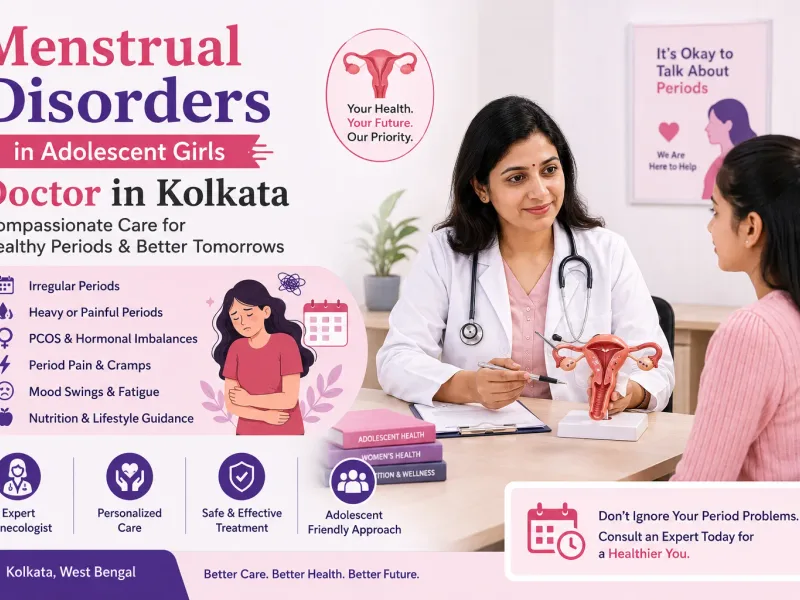
If you are searching for a Menstrual Disorders in Adolescent Girls Doctor in Kolkata, early evaluation by an experienced gynecologist can help identify the underlying cause of irregular or painful periods. While menstrual irregularities are common during the first few years after puberty, persistent
July 31, 2026
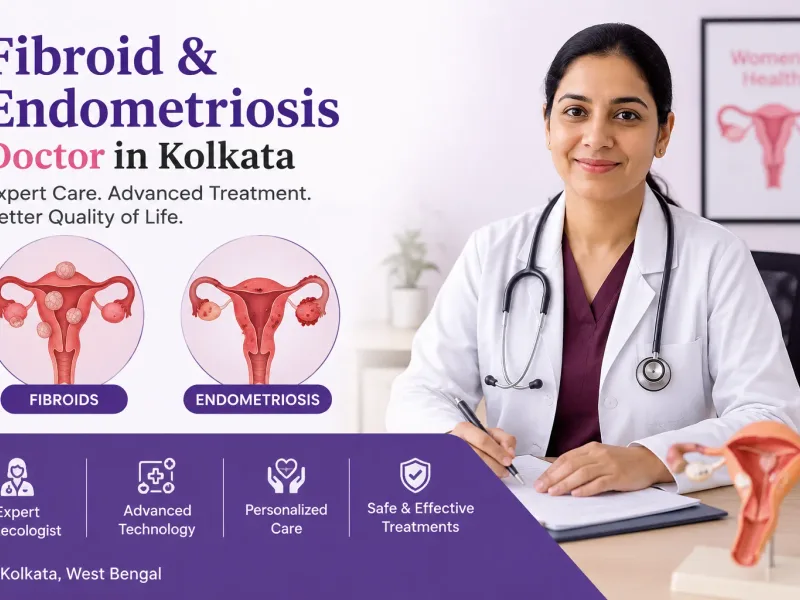
If you are searching for a Fibroid & Endometriosis doctor in Kolkata, choosing an experienced gynecologist with expertise in minimally invasive gynecological surgery is essential. Uterine fibroids and endometriosis are two common but different conditions that can cause pelvic pain, heavy menstrual b
July 31, 2026