

Emergency & Help
24/7 Emergency & General Advisory
🚨 24/7 Medical Emergency
Non-Emergency Advisory
10:00 AM – 6:00 PM, Mon–Sat
For appointments & general queries.
24/7 Emergency & General Advisory
🚨 24/7 Medical Emergency
Non-Emergency Advisory
10:00 AM – 6:00 PM, Mon–Sat
For appointments & general queries.
Discover when girls typically get their first period, the factors influencing it, and how to prepare. A guide for Indian families.

The arrival of a girl's first menstrual period, often called 'menarche', is a significant milestone. It's a natural part of growing up, signalling the start of reproductive capability. For many families in India, discussing this topic can be a bit sensitive, surrounded by tradition and sometimes, a lack of open communication. But understanding what's normal and how to prepare can ease anxiety for both the girl and her parents. Let's break down when this typically happens and what influences it.
While every girl's body is unique, there's a general timeframe for when the first period usually starts. In India, as in many parts of the world, the average age for menarche falls between 10 and 15 years old. However, it's not uncommon for it to happen a little earlier, perhaps around 8 or 9, or a bit later, up to 16 years old. These variations are perfectly normal!
Think of puberty as a journey that begins around age 11 for many. The menstrual cycle is a key part of this journey, usually kicking off about two years after breast development begins. You might also notice a clear or whitish vaginal discharge a few months to a year before the first period arrives. These are all natural signs that the body is preparing for menstruation.
Why do some girls get their periods earlier than others? Several factors play a role:
Your period is a monthly event, part of a cycle called the menstrual cycle. Here’s a simple breakdown:
This cycle repeats every month. It's a natural and healthy process!
The unpredictability of the first period can cause worry. Being prepared can make a world of difference. Here’s how families can get ready:
It's understandable that discussing puberty and periods might feel awkward for some parents. However, this is a critical part of your daughter's health and development. An honest, open conversation is one of the best gifts you can give her.
It's very common for menstrual cycles to be irregular for the first year or two after the first period. Periods might come every 3 weeks, or sometimes every 2 months. This is usually nothing to worry about as the body is still adjusting to the hormonal fluctuations. Tracking these cycles using a diary or an app can be helpful. It allows you to spot patterns and provides useful information if you decide to consult a doctor.
While variations are normal, there are times when seeking medical advice is important:
A doctor can assess the situation, rule out any underlying issues, and provide reassurance or necessary treatment.
While it's highly unlikely, it is technically possible. Sperm can survive in the reproductive tract for several days, and ovulation can occur before the first menstrual period. It's always best to practice safe sex if you are sexually active.
You can choose from sanitary pads (available in various sizes and absorbencies), tampons, menstrual cups, and period underwear. Discussing these options with your daughter and letting her choose what feels most comfortable is ideal.
Some girls experience mild cramping, while others have no pain at all. If the pain is severe, over-the-counter pain relievers can often help. Warm compresses can also provide relief.
A typical menstrual period lasts anywhere from 2 to 7 days. The flow can vary from light to heavy during this time.
Embracing this natural transition with knowledge and open hearts helps build confidence and promotes lifelong health awareness. Remember, you are not alone, and seeking information is a sign of strength!
Visit Hospital
Near You
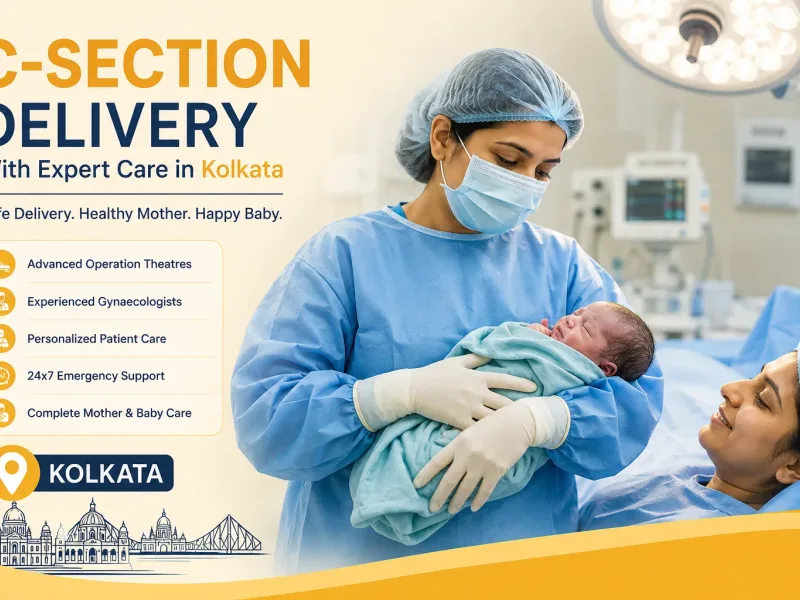
A cesarean section (C-section) is a surgical delivery in which a baby is born through an incision in the mother's abdomen and uterus. In Kolkata, several experienced obstetricians and well-equipped hospitals offer C-section services for planned and emergency deliveries. Understanding when a C-sectio
July 31, 2026
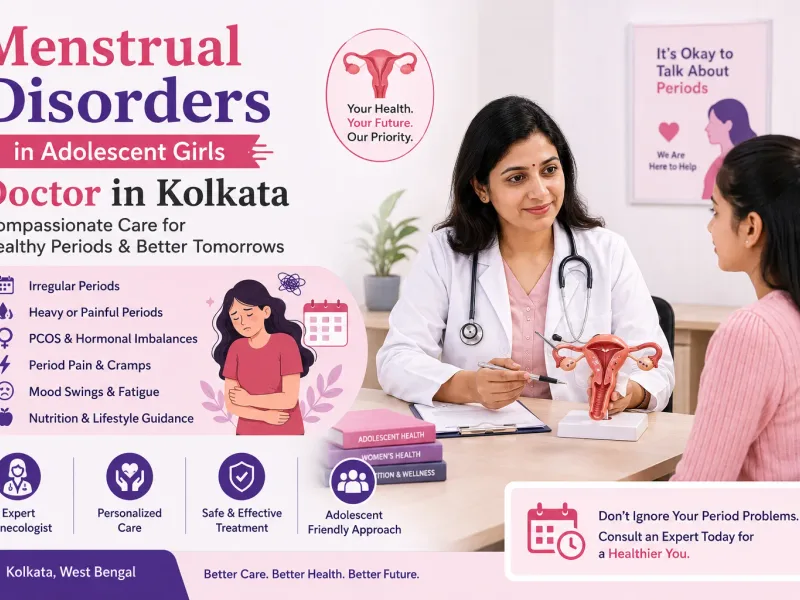
If you are searching for a Menstrual Disorders in Adolescent Girls Doctor in Kolkata, early evaluation by an experienced gynecologist can help identify the underlying cause of irregular or painful periods. While menstrual irregularities are common during the first few years after puberty, persistent
July 31, 2026
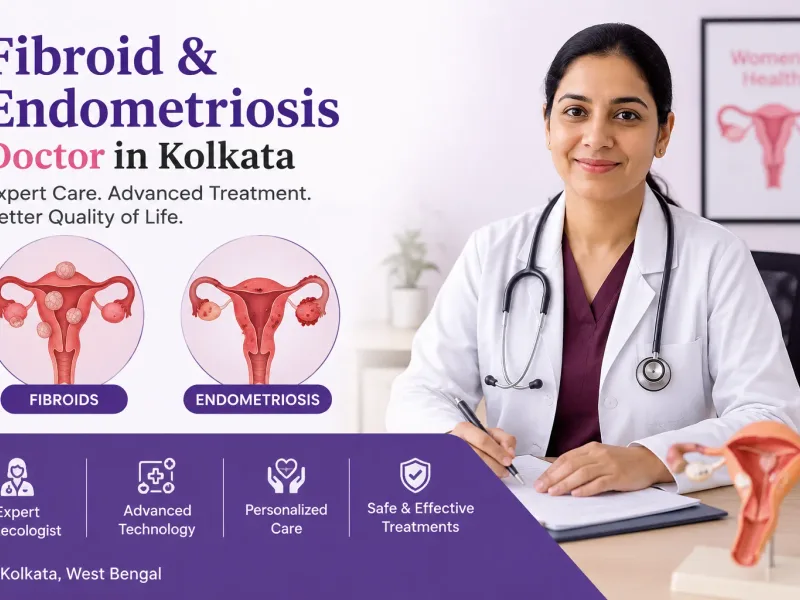
If you are searching for a Fibroid & Endometriosis doctor in Kolkata, choosing an experienced gynecologist with expertise in minimally invasive gynecological surgery is essential. Uterine fibroids and endometriosis are two common but different conditions that can cause pelvic pain, heavy menstrual b
July 31, 2026