

Emergency & Help
24/7 Emergency & General Advisory
🚨 24/7 Medical Emergency
Non-Emergency Advisory
10:00 AM – 6:00 PM, Mon–Sat
For appointments & general queries.
24/7 Emergency & General Advisory
🚨 24/7 Medical Emergency
Non-Emergency Advisory
10:00 AM – 6:00 PM, Mon–Sat
For appointments & general queries.
Learn about the causes, symptoms, treatment, and prevention of rashes caused by menstrual pads. Find relief and maintain comfort during your period.
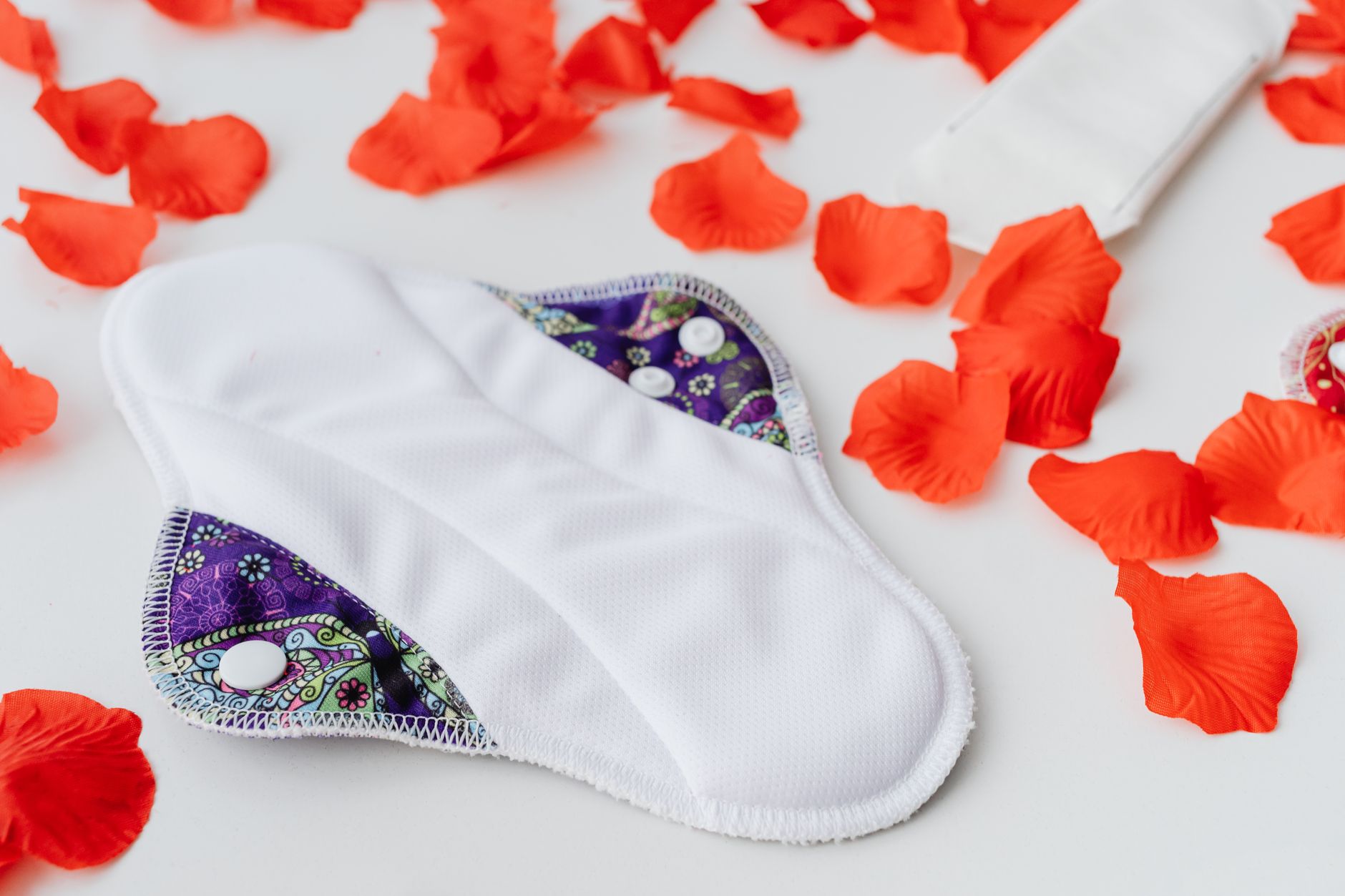
Menstrual pads are a common and essential part of managing periods for many women. However, some individuals may experience an unwelcome side effect: rashes. These rashes can cause discomfort, itching, swelling, and redness, significantly impacting daily life during menstruation. While generally rare, understanding the causes, symptoms, and effective management strategies for pad-induced rashes is crucial for maintaining comfort and hygiene.
The most common culprit behind rashes from menstrual pads is contact dermatitis. This occurs when the skin comes into contact with an irritant or allergen present in the pad. When this affects the vulvar area, it's specifically known as vulvitis.
Sanitary pads are complex products made from various layers and materials, each with the potential to cause irritation:
Beyond the materials themselves, the physical act of wearing a pad can lead to irritation. Friction between the pad and sensitive skin, especially during physical activity, can cause chafing and rashes. Furthermore, the combination of moisture from menstrual fluid and body heat can create a breeding ground for bacteria, potentially leading to irritation or infection.
The symptoms of a rash caused by menstrual pads can vary but typically include:
Diagnosing a rash from menstrual pads usually involves a visual examination by a healthcare professional. They will assess the affected area and ask about your menstrual hygiene practices, including the types of pads you use. If an allergic reaction is suspected, a patch test might be recommended to identify specific allergens. However, in most cases, the cause is evident from the history and physical examination.
Fortunately, most pad-related rashes can be effectively treated. The primary goal is to soothe the irritation and allow the skin to heal.
While home care is often sufficient, consult a doctor if:
Preventing future rashes involves making informed choices about menstrual products and hygiene practices:
With prompt treatment and preventive measures, rashes caused by menstrual pads typically resolve within a few days. However, untreated or severe rashes can take longer to heal and may lead to complications like secondary infections. By understanding the potential causes and adopting good hygiene practices, most individuals can enjoy comfortable and worry-free periods.
Disclaimer: This information is for general knowledge and informational purposes only, and does not constitute medical advice. It is essential to consult with a qualified healthcare professional for any health concerns or before making any decisions related to your health or treatment.
Visit Hospital
Near You
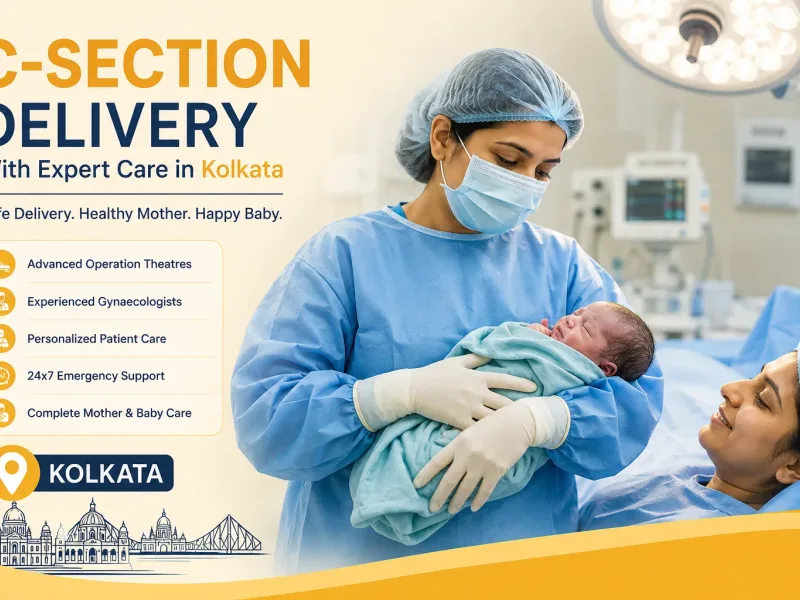
A cesarean section (C-section) is a surgical delivery in which a baby is born through an incision in the mother's abdomen and uterus. In Kolkata, several experienced obstetricians and well-equipped hospitals offer C-section services for planned and emergency deliveries. Understanding when a C-sectio
July 31, 2026
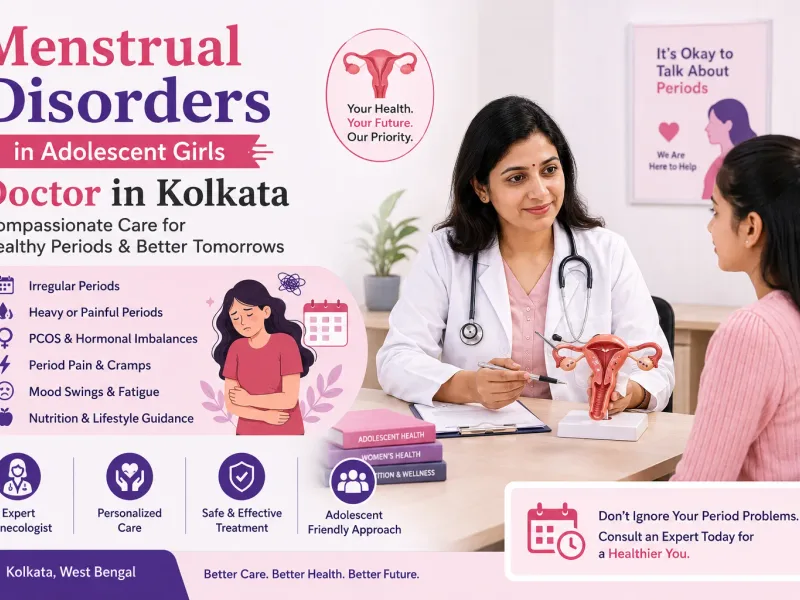
If you are searching for a Menstrual Disorders in Adolescent Girls Doctor in Kolkata, early evaluation by an experienced gynecologist can help identify the underlying cause of irregular or painful periods. While menstrual irregularities are common during the first few years after puberty, persistent
July 31, 2026
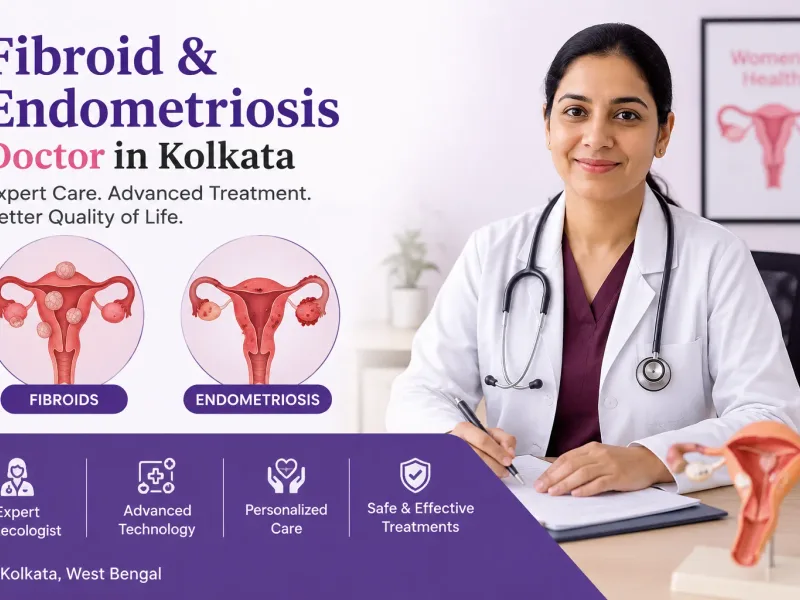
If you are searching for a Fibroid & Endometriosis doctor in Kolkata, choosing an experienced gynecologist with expertise in minimally invasive gynecological surgery is essential. Uterine fibroids and endometriosis are two common but different conditions that can cause pelvic pain, heavy menstrual b
July 31, 2026