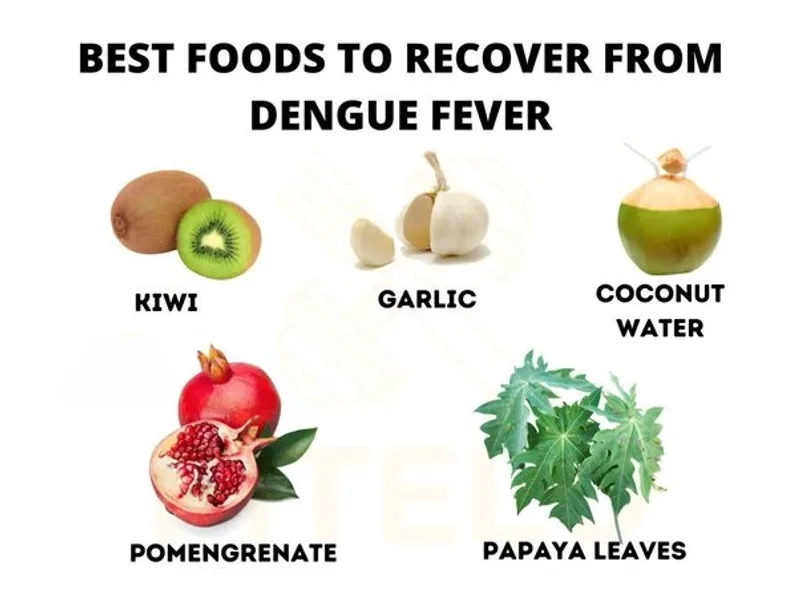
Everyone wants to know what helps during dengue. Fewer people ask what to skip, and that's a gap worth closing, because a few common food and drink choices can genuinely make the week harder than it needs to be.
None of this replaces medical care, and none of it is about strict rules. It's about understanding why certain things are worth avoiding while the body is already under strain.
Oily and Fried Foods
Dengue often comes with nausea, a reduced appetite, and a stomach that's more sensitive than usual. Heavy, greasy food asks a lot of a digestive system that's already not operating at full strength, and it's a common reason people feel worse after eating rather than better.
This isn't about cutting fat entirely, just steering away from deep-fried and heavily oily dishes while symptoms are active. Lighter, easier-to-digest meals tend to sit better, and there's practical guidance on what actually works well in this dengue diet guide.
Spicy Food
Similar logic applies here. A stomach already dealing with nausea or reduced appetite generally doesn't respond well to heavy spice, and it can make eating enough calories and fluids harder at exactly the point when both matter most. This is a "listen to your body" situation more than a strict rule, some people tolerate mild spice just fine, but it's worth backing off if food is already unappealing.
Alcohol
This one's fairly clear-cut. Alcohol puts extra strain on the liver, and dengue already affects liver function to some degree in many cases. Combining the two isn't a good idea during active infection or the recovery period that follows.
Alcohol is also dehydrating, which works directly against one of the most important parts of dengue recovery: staying well hydrated. It's worth holding off until a doctor has confirmed recovery is complete, not just until the fever's gone.
Caffeine, in Excess
Coffee and strong tea aren't off-limits entirely, but heavy caffeine intake can worsen dehydration at a time when fluid balance genuinely matters. It can also interfere with the rest that recovery depends on, especially during the fatigue that tends to linger past the fever itself.
Moderation is the reasonable target here rather than complete avoidance, though anyone already struggling with hydration might do better cutting it out for the week.
Foods and Drinks That Affect Bleeding Risk
This is the part that gets the least attention and probably deserves more. Dengue lowers platelet counts and raises bleeding risk on its own. Certain foods and supplements with blood-thinning properties, high-dose fish oil, and some herbal supplements among them, can compound that risk, even though most people would never think to connect diet to bleeding risk during a fever.
In clinical practice, this is often missed because the bleeding-risk conversation usually focuses on medication, aspirin and NSAIDs specifically, covered in detail in this guide to medication for dengue, while diet and supplements fly under the radar entirely. If you're taking any regular supplement with blood-thinning properties, that's worth mentioning to a doctor during a dengue diagnosis rather than assuming it's unrelated.
Raw or Undercooked Food
This isn't specific to dengue, but it matters more during it. The body is already fighting one infection, and taking on unnecessary risk from undercooked meat, unpasteurized dairy, or raw seafood adds strain nobody needs at that point. Thoroughly cooked, simple meals are the safer call while recovering.
Highly Processed and Sugary Foods
These don't carry a dramatic risk the way alcohol or raw food might, but they also don't offer much. The body needs steady nutrition to support recovery, and heavily processed, sugar-heavy foods tend to displace meals that would actually help, fruit, easily digestible proteins, and hydrating foods among them. Worth thinking of this less as forbidden and more as "not the best use of appetite" while it's already limited.
What About Specific Fruits or Vegetables?
There's a lot of chatter online about specific foods to avoid entirely, certain fruits, certain vegetables, based on very thin or anecdotal evidence. Worth being skeptical of lists like that. The core principles here, easy digestion, hydration, avoiding alcohol and excess caffeine, and being mindful of bleeding risk, cover the meaningful ground. Beyond that, individual tolerance varies more than any universal list suggests.
When Diet Isn't the Real Issue
If nausea is severe enough that eating or drinking almost anything is a struggle, that's no longer a food-choice question. It's worth flagging to a doctor, since dehydration from an inability to keep fluids down is a genuine concern covered in this dengue symptoms guide. A general physician can advise on managing that directly, and if symptoms feel severe, emergency care is the right call rather than pushing through.
Practical Takeaway
Skip alcohol and excess caffeine, go easy on oily and spicy food, cook everything thoroughly, and mention any blood-thinning supplements to a doctor rather than assuming diet is unrelated to bleeding risk. Beyond that, let appetite and how food actually sits guide the details, rather than chasing a rigid list.
Related Reading on DOCTAR
Useful DOCTAR Tools