What Is Behind the Health Conspiracy Social Media Surge?
Health conspiracy theories are not new, but social media has changed their speed and reach.
A claim that once stayed within a small community can now appear in videos, posts, comments and private messages within hours. One person shares a dramatic story, another adds a personal experience, and soon the original claim can be difficult to separate from the speculation built around it.
DOCTAR's guide to medical misinformation on social media describes conspiracy theories as one form of medical misinformation, alongside outright false claims, misleading information, unproven theories and outdated advice.
The important point is simple: a widely repeated health claim is still a claim that needs evidence.
Why Do Health Conspiracies Spread So Easily?
Fear is powerful online.
A post suggesting that "doctors are hiding the truth" creates a dramatic story with a clear villain. Real medical science is rarely that simple. It involves uncertainty, changing evidence, different patient responses and decisions based on risk and benefit.
Conspiracy narratives remove much of that complexity.
They can also provide an explanation when someone has experienced a frightening illness or an unexpected health event. That emotional appeal should not be mocked. People naturally want an answer when something goes wrong.
The problem starts when an understandable question becomes an unsupported conclusion.
The Role of Algorithms and Repetition
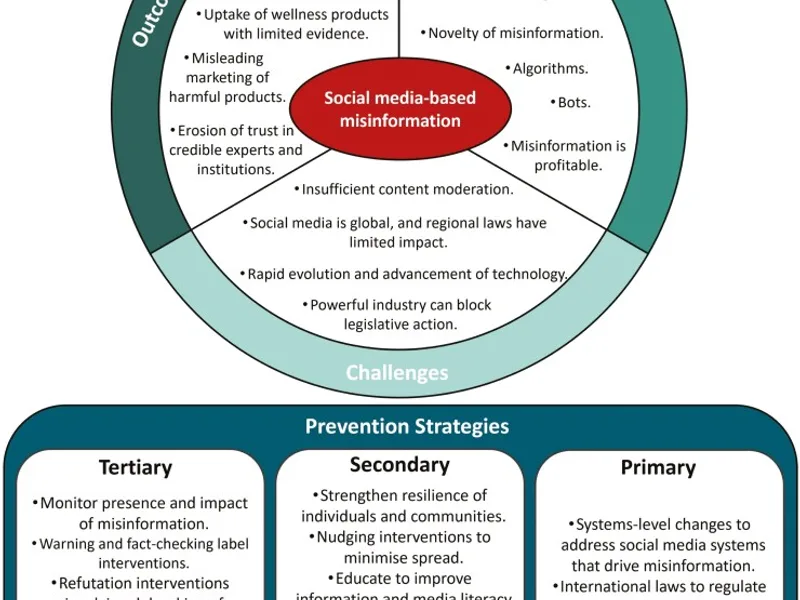
Social media platforms are designed to keep people engaged, not to certify medical accuracy.
A controversial health post may attract comments from people who agree and people who strongly disagree. Both reactions can increase attention. Repeated exposure can then make a claim feel familiar, even when no new evidence has appeared.
This is one reason DOCTAR's medically reviewed health content guide stresses the value of expert review, accuracy, current information and clinical context.
Familiarity is not proof. A claim does not become medically established because it appears on your feed every day.
Common Themes in Health Conspiracy Posts
Certain themes appear repeatedly.
"Doctors Are Hiding the Cure"
This is one of the easiest stories to make viral. A post claims that a cheap food, supplement or household product can cure a serious illness, while doctors supposedly ignore it.
Such claims often provide no reliable clinical evidence.
A useful comparison is DOCTAR's article on the watermelon diet, which examines how an appealing health trend can make strong promises while failing to provide a balanced nutritional approach.
"The Medical System Is Covering It Up"
Suspicion of institutions can have many causes, including genuine past failures and poor communication. But a lack of trust does not automatically prove a conspiracy.
Historical abuses in healthcare are real and deserve serious discussion. DOCTAR's article on dangerous medical myths and healthcare mistrust shows how historical mistreatment can shape attitudes toward healthcare and contribute to mistrust.
The answer to mistrust is better evidence, transparency and communication, not replacing one unsupported claim with another.
Vaccine Conspiracy Claims Need Extra Care
Vaccines are a frequent target of online conspiracy narratives.
Some posts suggest that vaccines cause unrelated diseases, weaken the immune system or contain hidden substances. Other posts use isolated reports of adverse events as proof that vaccination is broadly unsafe.
A report that something happened after vaccination is not automatically proof that the vaccine caused it. Safety questions need proper investigation, comparison with expected background rates and medical assessment.
DOCTAR's VAIDS fact-check examines the claim that COVID-19 vaccines cause a condition called VAIDS and explains why it is not a recognised medical diagnosis.
For vaccine-related questions, readers should rely on current guidance from qualified healthcare professionals and established public-health authorities rather than social-media hashtags or anonymous accounts.
A Personal Story Is Not the Same as Evidence
Personal experiences can be sincere and still be misleading when used to establish a medical cause.
Someone may say that a symptom began after taking a medicine, receiving a vaccine or eating a particular food. The timing may deserve attention, but it does not by itself establish causation.
DOCTAR's article about red-light therapy and melanoma is a useful example of why a health concern needs to be examined through the underlying science rather than through isolated online claims.
In clinical practice, this is often missed because patients may remember the timing of an event very clearly, while the larger medical context is harder to see. A clinician has to consider the person's history, risk factors, examination and available evidence rather than one social-media story.
Look for the Commercial Motive
Follow the money.
A conspiracy post that ends with a link to a supplement, expensive test, "detox" programme or alternative treatment deserves particularly careful scrutiny.
The same warning applies when the creator uses fear to build an audience and then sells a solution to the fear they have created.
DOCTAR's guide to identifying medical misinformation recommends examining the source, credentials, agenda and possible commercial interests behind health claims.
A product being expensive does not make it fraudulent, of course. The issue is whether the medical claims surrounding it are supported by credible evidence.
Everyday Myths Show the Same Pattern
Not every conspiracy claim involves a major institution.
Health misinformation can begin with ordinary household advice and grow through repetition. DOCTAR's cleaning myths guide examines common beliefs about bleach, disinfectants and household cleaning practices.
Other examples include the claim that urine is completely sterile, a belief that can lead to unsafe assumptions about bodily fluids.
The viral soap pregnancy test is another example. The method became popular online despite lacking scientific validation as a reliable pregnancy test.
Even seemingly harmless claims deserve checking when they could change someone's behaviour.
How to Check a Health Conspiracy Claim
Start with the original statement.
What exactly is being claimed? Who made the claim? Is there a named source? Is the source qualified to discuss the subject?
Then look for evidence outside the original social-media network.
A credible health claim should be traceable to appropriate research, clinical guidance, recognised medical organisations or qualified professionals. If the post only cites "doctors say" or "studies prove" without naming the doctors or studies, that is a warning sign.
DOCTAR's medically reviewed content explainer explains why named expertise and medical review matter when health information may influence decisions.
Also check the date. Old research, outdated recommendations and clipped news reports can become misleading when presented as current information.
Beware of "One Study Proves It"
Science does not usually work that way.
A single study may raise a question, identify an association or provide early evidence. It does not necessarily establish a treatment as effective or prove that one event caused another.
DOCTAR's blood type and personality myth article provides a useful example of how an attractive theory can remain popular despite a lack of convincing evidence for the claimed personality connection.
Likewise, the mosquito and blood-type article shows why a scientific question can be more complicated than a simple viral explanation.
Viral Health Hacks Can Become Dangerous
A conspiracy narrative often encourages people to distrust conventional care and experiment with alternatives.
That can become risky when someone delays diagnosis or stops a treatment without professional advice.
DOCTAR's toothpaste-on-hair myth guide looks at a viral beauty practice and the claims surrounding it.
Its wisdom teeth myth guide is a different kind of example: the answer to whether wisdom teeth need removal depends on the individual's situation rather than a universal internet rule.
That is often the uncomfortable truth about healthcare. The right answer may depend on the patient.
Why Good Health Journalism Matters
Health journalism has a difficult job. It must report new research without turning preliminary findings into medical promises, and it must discuss legitimate concerns without amplifying unsupported theories.
A responsible article should tell readers what is known, what remains uncertain and where the evidence comes from.
DOCTAR's digital health misinformation guide makes this distinction between misinformation and deliberate disinformation, while also highlighting the importance of critical thinking and credible sources.
Readers can also use DOCTAR's Myth vs Fact resources as a starting point when checking common health claims.
Other Health Myths Worth Checking
The pattern extends across almost every part of health information.
DOCTAR examines whether left-handed people are smarter, whether men have fewer ribs than women, and whether masturbation causes acne. These may seem unrelated to conspiracy theories, but they illustrate the same problem: familiar claims are not necessarily factual.
Other articles examine masturbation and kidney health and sunburn through clothing. These examples show why readers should ask for evidence rather than relying on how long a claim has circulated.
ers.