

Emergency & Help
24/7 Emergency & General Advisory
🚨 24/7 Medical Emergency
Non-Emergency Advisory
10:00 AM – 6:00 PM, Mon–Sat
For appointments & general queries.
24/7 Emergency & General Advisory
🚨 24/7 Medical Emergency
Non-Emergency Advisory
10:00 AM – 6:00 PM, Mon–Sat
For appointments & general queries.
PMS and PMDD aren't the same thing. Learn the real differences in symptoms, severity, and when premenstrual changes need medical attention.
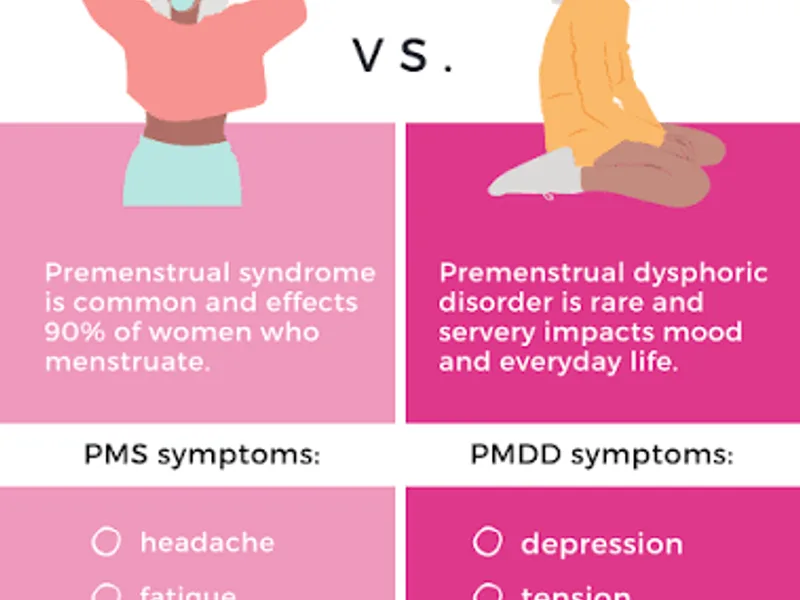
"It's just PMS" is a phrase that's done a lot of quiet harm. For some women, premenstrual symptoms really are mild and manageable. For others, they're closer to a monthly crisis, and calling that PMS undersells what's actually happening.
Premenstrual Syndrome, or PMS, refers to the physical and emotional symptoms that show up in the one to two weeks before a period and fade once bleeding starts. Premenstrual Dysphoric Disorder, or PMDD, is a more severe, more disruptive version of that pattern, one that's recognized as a distinct mental health condition rather than just an intensified version of PMS.
In clinical practice, this is often missed because PMDD symptoms look similar to PMS on the surface, mood swings, irritability, fatigue, so the severity gets underestimated until a woman describes how much it's affecting her work, relationships, or sense of control. That's usually the detail that changes the conversation.
Bloating, breast tenderness, headaches, and fatigue are the most commonly reported physical symptoms of PMS. Many women also notice changes in appetite, particularly cravings, which are explained in more detail in this piece on understanding period cravings. Nausea can also show up for some women in the days leading up to their period, covered in this article on nausea during your period.
Mood swings, mild irritability, and a general sense of feeling "off" are common with PMS. These symptoms are noticeable but usually don't derail someone's ability to function. If you've noticed persistent tiredness in the days before your period, this guide on managing PMS fatigue walks through practical strategies worth trying first.
PMS symptoms typically start in the luteal phase, the second half of the menstrual cycle after ovulation, and resolve within a day or two of your period starting. If symptoms linger well past that window or don't ease up at all, that's worth flagging.
PMDD isn't simply "worse PMS." It's classified as its own condition because the mood symptoms, marked irritability, hopelessness, anxiety, or anger, are severe enough to interfere significantly with work, school, or relationships. Some women describe feeling like a different person for one to two weeks a month, then suddenly returning to normal once their period starts.
The hallmark symptoms of PMDD include intense mood swings, marked anxiety or tension, depressed mood or feelings of hopelessness, and noticeable anger or increased conflict with people around you. Difficulty concentrating and a sense of being overwhelmed or out of control are also common. If body image concerns intensify specifically around your period, that pattern deserves attention too, and this article on period-related body dysmorphia covers a lesser-known symptom cluster some women experience.
PMDD is thought to involve a heightened sensitivity to normal hormonal shifts, particularly how estrogen and progesterone interact with serotonin, a brain chemical involved in mood regulation. This is part of why PMDD is treated differently than typical PMS, sometimes with antidepressants rather than just lifestyle changes.
PMDD affects a much smaller percentage of menstruating women than PMS does. It's worth being honest here: exact prevalence figures vary across studies, so rather than citing a specific number, the fair takeaway is that it's uncommon but real, and being uncommon doesn't make it any less disruptive for the women who have it.
As women approach perimenopause, mood swings and irregular symptoms can look a lot like PMS or PMDD, but the underlying cause and timing differ. This comparison of perimenopause versus PMS is a useful read if your symptoms don't seem to follow a predictable monthly pattern anymore.
Severe period pain isn't a symptom of PMS or PMDD on its own, but it often coexists with both. If pain is a major part of your premenstrual and menstrual experience, this piece on painful periods and when they signal something more is worth reading alongside this one on period cramp causes and diagnosis.
Some women notice their appetite or energy shifting more broadly across their cycle, not just before their period. This explainer on whether metabolism actually changes during your period covers what's hormonal versus what's perception.
For PMS that's uncomfortable but manageable, consistent sleep, regular movement, and stress management often help take the edge off. These approaches are usually the first thing worth trying before considering medication.
Birth control pills, particularly when used to reduce hormonal fluctuation, can ease PMS symptoms for many women, though responses vary quite a bit from person to person. This article on birth control and PMS explains how and why that works, and when it might not be the right fit.
PMDD often requires a different treatment approach altogether, sometimes involving antidepressants prescribed specifically for the luteal phase, and always requiring a proper diagnosis rather than self-management. If mood symptoms are severe enough that you're concerned about your safety or wellbeing at any point in your cycle, that's not something to wait out. Reach out to a doctor, a mental health professional, or a crisis line without delay.
Gynecologists who can help distinguish PMS from PMDD and coordinate care with a mental health provider when needed include Dr. Bikash Banerjee, Dr. Mou Chatterjee, Dr. Abhinibesh Chatterjee, Dr. Sheuli Pal, Dr. Swagatika Panda, and Dr. M Padmaja Bhattacharya. Persistent irritability, whether cycle-linked or not, is also worth understanding on its own terms, covered in this piece on irritability and coping strategies. Understanding hormone-related treatment more broadly, including the difference between progestin and natural progesterone, can also help frame a conversation about options. For women managing PCOS alongside mood symptoms, this overview of PCOS and related hormonal patterns offers useful context, as does this guide on PCOS and pregnancy planning if fertility questions are also part of the picture. Cramping patterns while on hormonal birth control, discussed in this article on birth control and cramps, are also worth tracking if you're weighing treatment options. If bloating is a major symptom for you specifically around ovulation or your luteal phase, this piece on endo belly and bloating is tangential but useful background, and understanding luteal phase changes more generally rounds out the hormonal picture.
Visit Hospital
Near You
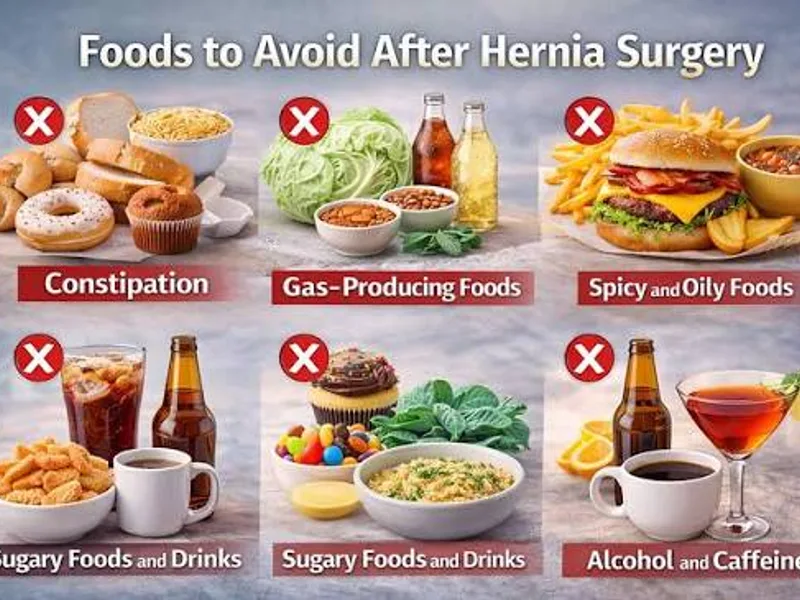
Most people can return to a normal diet within a day or two of hernia surgery, but some food choices make recovery smoother. Start with light, easy-to-digest meals. Then add fiber, lean protein, and plenty of fluids to support healing and prevent constipation.
September 30, 2026
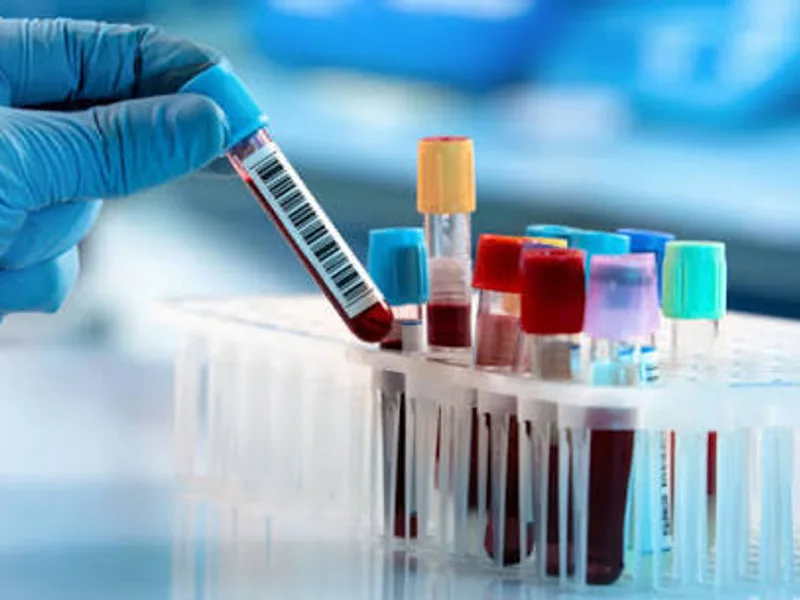
Rudhira Diagnostics is a trusted pathology lab in Ahilyanagar (Ahmednagar) offering blood tests, full body checkups & home sample collection. Book now.
August 29, 2026

Find verified endocrinologists in Lucknow on DOCTAR. Compare experience, ratings, consultation fees and hospital locations, then book an appointment online.
August 22, 2026