

Emergency & Help
24/7 Emergency & General Advisory
🚨 24/7 Medical Emergency
Non-Emergency Advisory
10:00 AM – 6:00 PM, Mon–Sat
For appointments & general queries.
24/7 Emergency & General Advisory
🚨 24/7 Medical Emergency
Non-Emergency Advisory
10:00 AM – 6:00 PM, Mon–Sat
For appointments & general queries.
Stay updated with our latest healthcare news and your appointments.
Discover how meditation can be a powerful tool to manage anxiety, offering practical techniques and guidance for beginners in India to find calm and peace.
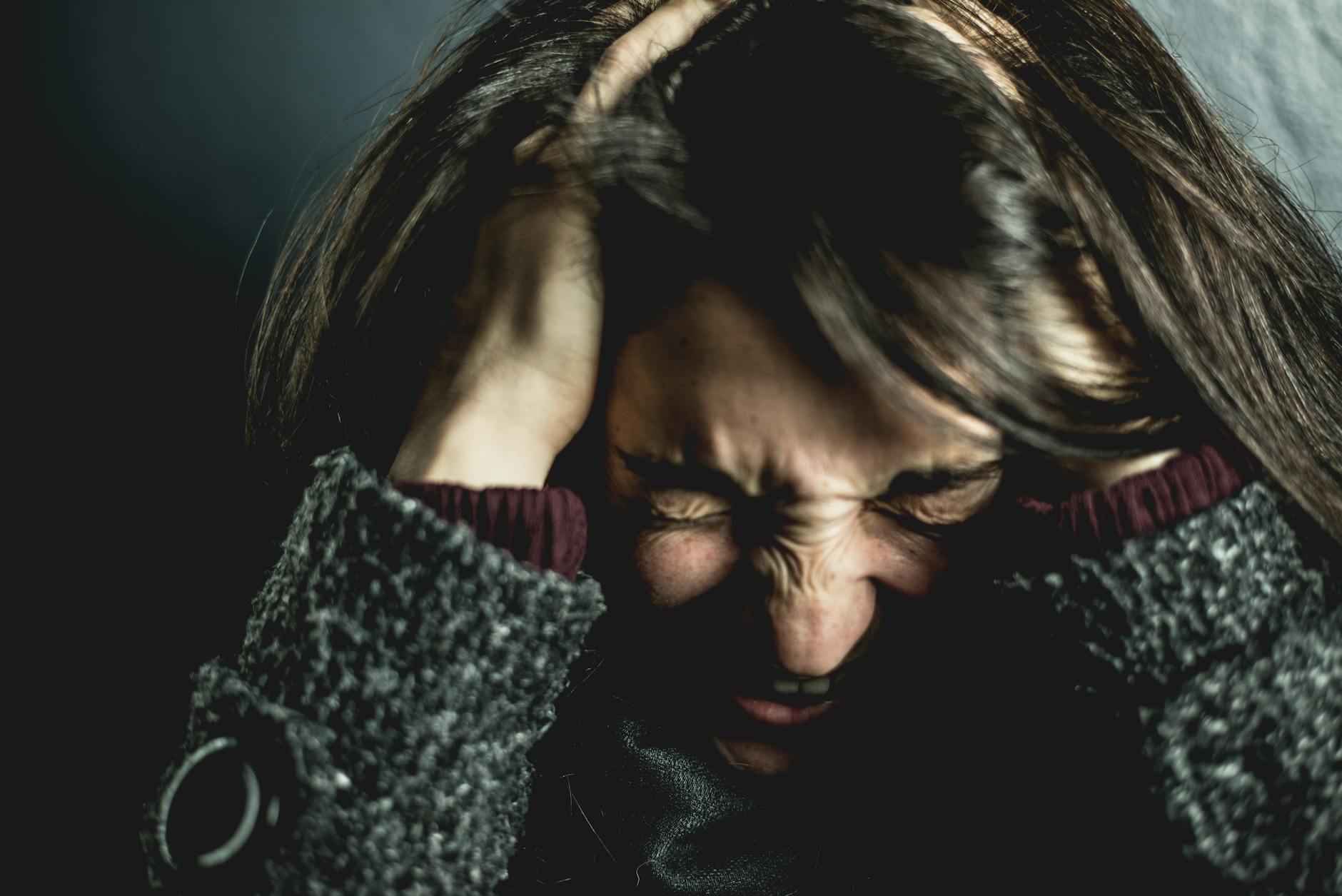
Anxiety is a common mental health condition affecting millions worldwide. It's characterized by feelings of worry, nervousness, or unease, often about an event or situation with an uncertain outcome. While occasional anxiety is a normal human experience, persistent and overwhelming anxiety can significantly impact daily life, relationships, and overall well-being. In India, like elsewhere, the prevalence of anxiety disorders is a growing concern, and many individuals seek effective, accessible ways to manage their symptoms. Fortunately, ancient practices like meditation have gained modern scientific validation as powerful tools for alleviating anxiety.
Research increasingly supports meditation as a beneficial intervention for anxiety. Studies have explored its effectiveness compared to traditional therapies and even medication, showing promising results. This blog post delves into how meditation can help manage anxiety, exploring different techniques and providing guidance for beginners in India to incorporate this practice into their lives.
Meditation, in its various forms, works by training the mind to focus and redirect thoughts. For anxiety, this often involves cultivating present-moment awareness and developing a non-judgmental attitude towards one's thoughts and feelings. Several mechanisms are believed to contribute to meditation's anxiolytic effects:
Different meditation techniques can be beneficial for anxiety. Here are a few popular and effective methods:
Mindfulness involves paying attention to the present moment without judgment. This can include focusing on your breath, bodily sensations, or external stimuli.
How to practice:
This technique involves silently repeating a word, phrase, or sound (mantra) to help focus the mind and prevent distracting thoughts.
How to practice:
This practice involves systematically bringing awareness to different parts of the body, noticing any sensations without trying to change them.
How to practice:
This is a mindful approach to walking, focusing on the physical sensations of movement and the environment.
How to practice:
Starting a meditation practice can seem daunting, but it's more accessible than you might think. Here are some tips tailored for individuals in India:
While meditation is a powerful tool for managing anxiety, it's essential to recognize its limitations. If your anxiety is severe, persistent, or significantly interfering with your daily life, it's crucial to seek professional medical help. Symptoms that warrant a doctor's consultation include:
A doctor or mental health professional can provide a proper diagnosis and discuss a comprehensive treatment plan, which may include therapy (like Cognitive Behavioral Therapy - CBT), medication, and complementary practices like meditation.
Meditation offers a natural, effective, and accessible way to manage anxiety symptoms and cultivate inner peace. By incorporating simple meditation techniques into your daily routine, you can train your mind to be more resilient, calm, and present. Remember to be patient with yourself, start small, and seek professional help when needed. Embracing meditation can be a transformative step towards a more balanced and fulfilling life.
Visit Hospital
Near You
Discover effective stroke rehabilitation in Alipurduar. Learn about therapies, recovery strategies, and finding the right care for regaining independence.
May 20, 2026
Discover how to find a top obstetrician in Madhyamgram. Learn key factors and what to look for in maternal care.
May 20, 2026
Find top diabetes clinics in Purba Medinipur. Get expert endocrinologists, advanced treatments, and comprehensive diabetes management.
May 20, 2026