

Emergency & Help
24/7 Emergency & General Advisory
🚨 24/7 Medical Emergency
Non-Emergency Advisory
10:00 AM – 6:00 PM, Mon–Sat
For appointments & general queries.
24/7 Emergency & General Advisory
🚨 24/7 Medical Emergency
Non-Emergency Advisory
10:00 AM – 6:00 PM, Mon–Sat
For appointments & general queries.
Stay updated with our latest healthcare news and your appointments.
Explore the holistic benefits of Dance Movement Therapy (DMT) for emotional, cognitive, and physical healing. Learn how movement can be a powerful tool for trauma processing, stress reduction, and self-discovery, especially for the Indian audience.
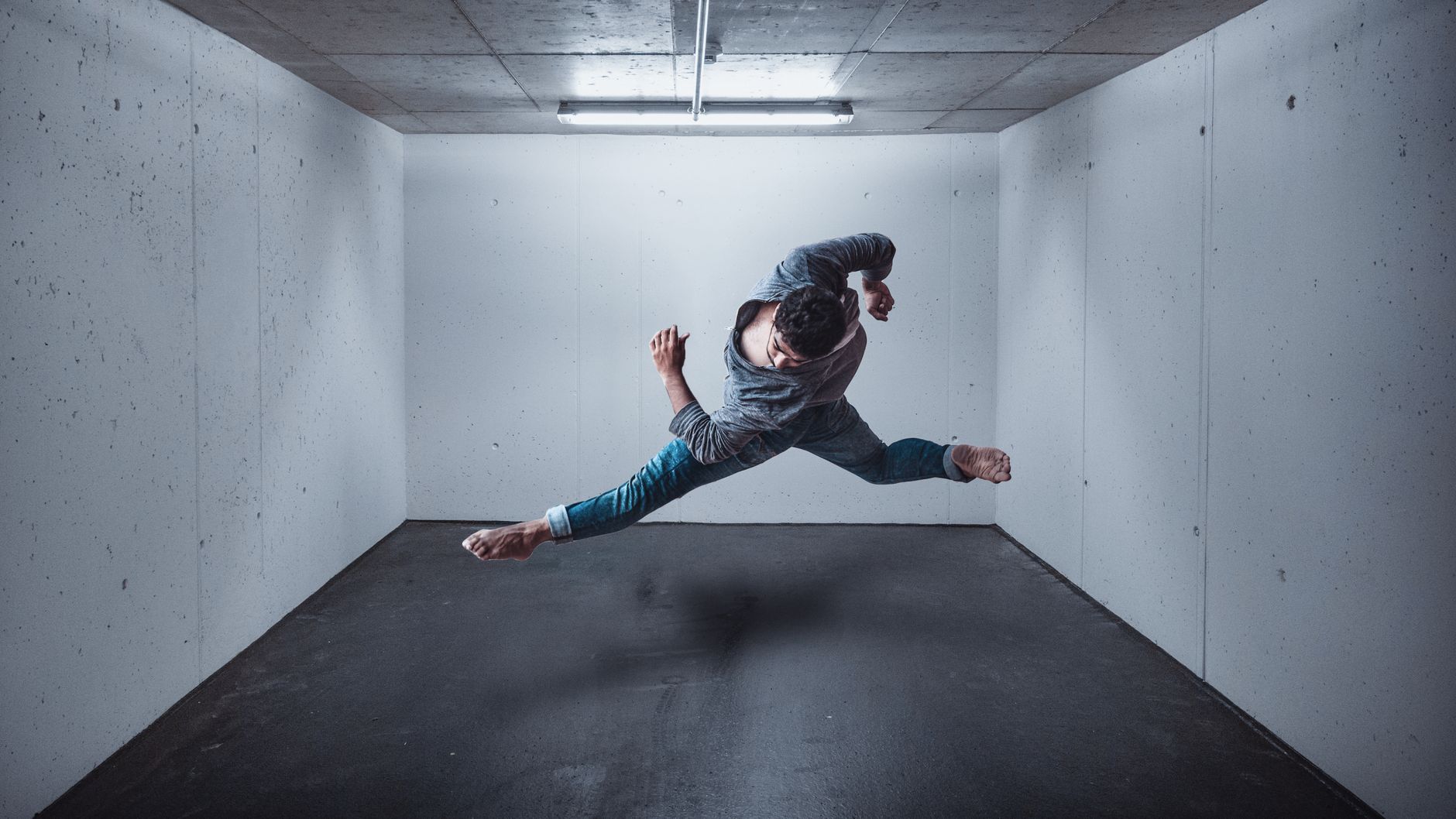
In the journey of healing and self-discovery, we often explore various paths. While traditional talk therapy has its significant benefits, sometimes our bodies hold onto experiences and emotions in ways that words alone cannot fully express. This is where Dance Movement Therapy (DMT) emerges as a powerful and holistic approach. DMT is a form of somatic therapy that uses movement as its primary tool for emotional, cognitive, and physical healing. It’s based on the fundamental principle that the mind and body are interconnected and influence each other profoundly. In India, where traditional practices often emphasize the mind-body connection, DMT offers a modern yet deeply resonant way to address trauma, stress, and various psychological challenges.
Dance Movement Therapy, often abbreviated as DMT, is a therapeutic modality that uses dance and movement to help individuals achieve emotional, cognitive, physical, and social integration. It is recognized by organizations like the American Dance Therapy Association (ADTA) as a form of psychotherapy that uses movement to promote health and healing. The core belief behind DMT is that the body and mind are inseparable. When we experience trauma or significant stress, these experiences can become stored in the body, leading to physical tension, emotional distress, and behavioral patterns. DMT provides a safe and expressive outlet to process these stored experiences, fostering a sense of wholeness and well-being.
The concept of the mind-body connection is deeply ingrained in many Indian philosophies and practices, such as Yoga and Ayurveda. DMT builds upon this understanding, recognizing that our thoughts, feelings, and physical sensations are all interconnected. Trauma, in particular, can have a profound impact on the nervous system, leading to a 'fight, flight, or freeze' response that can become chronic. DMT helps individuals become more aware of their bodily sensations and learn to regulate their responses. By engaging in movement, individuals can release pent-up tension, process difficult emotions, and develop a greater sense of embodiment and self-awareness. This can be particularly beneficial for those who find it challenging to articulate their experiences verbally.
Research and anecdotal evidence suggest that DMT offers a wide range of benefits, impacting various aspects of an individual's well-being:
DMT is not about performing intricate dance steps or achieving a certain aesthetic. Instead, it focuses on the expressive and therapeutic qualities of movement. A DMT session typically involves:
The therapist uses various techniques, including mirroring movements, guided imagery, and improvisation, to facilitate the healing process. The focus is always on the client's internal experience and how movement can facilitate insight and change.
DMT has shown promise in addressing a range of psychological and physical conditions, including:
It can be used as a standalone therapy or as a complementary approach alongside other forms of treatment.
Despite its numerous benefits, access to DMT can be a challenge for many, including those in India. Some common barriers include:
If you are experiencing any of the following, it might be beneficial to explore therapeutic options, including DMT:
It is always advisable to consult with a healthcare professional or a qualified therapist to determine the most suitable treatment plan for your specific needs. They can guide you on whether DMT or another form of therapy would be most beneficial for you.
Dance Movement Therapy offers a unique and powerful avenue for healing, tapping into the innate connection between our minds and bodies. For individuals in India seeking holistic approaches to mental and emotional well-being, DMT presents a promising and effective option. By embracing movement as a language of the soul, we can unlock new pathways to healing, resilience, and a deeper understanding of ourselves.
Visit Hospital
Near You
Access expert medical advice in Kamarhati via online doctor consultations. Learn about benefits, how to choose a platform, and what to expect.
May 20, 2026
Expert advice for Joynagar residents on achieving stable blood sugar levels. Learn diet, exercise, and lifestyle tips for better diabetes management.
May 19, 2026
Explore breast cancer treatment options in Pujali, understanding diagnostics, therapies, and support for patients. Find expert care near you.
May 19, 2026