

Emergency & Help
24/7 Emergency & General Advisory
🚨 24/7 Medical Emergency
Non-Emergency Advisory
10:00 AM – 6:00 PM, Mon–Sat
For appointments & general queries.
24/7 Emergency & General Advisory
🚨 24/7 Medical Emergency
Non-Emergency Advisory
10:00 AM – 6:00 PM, Mon–Sat
For appointments & general queries.
Stay updated with our latest healthcare news and your appointments.
Discover ecotherapy and how connecting with nature can significantly boost your mental health, reduce stress, and enhance overall well-being. Learn practical ways to incorporate nature into your daily life in India.
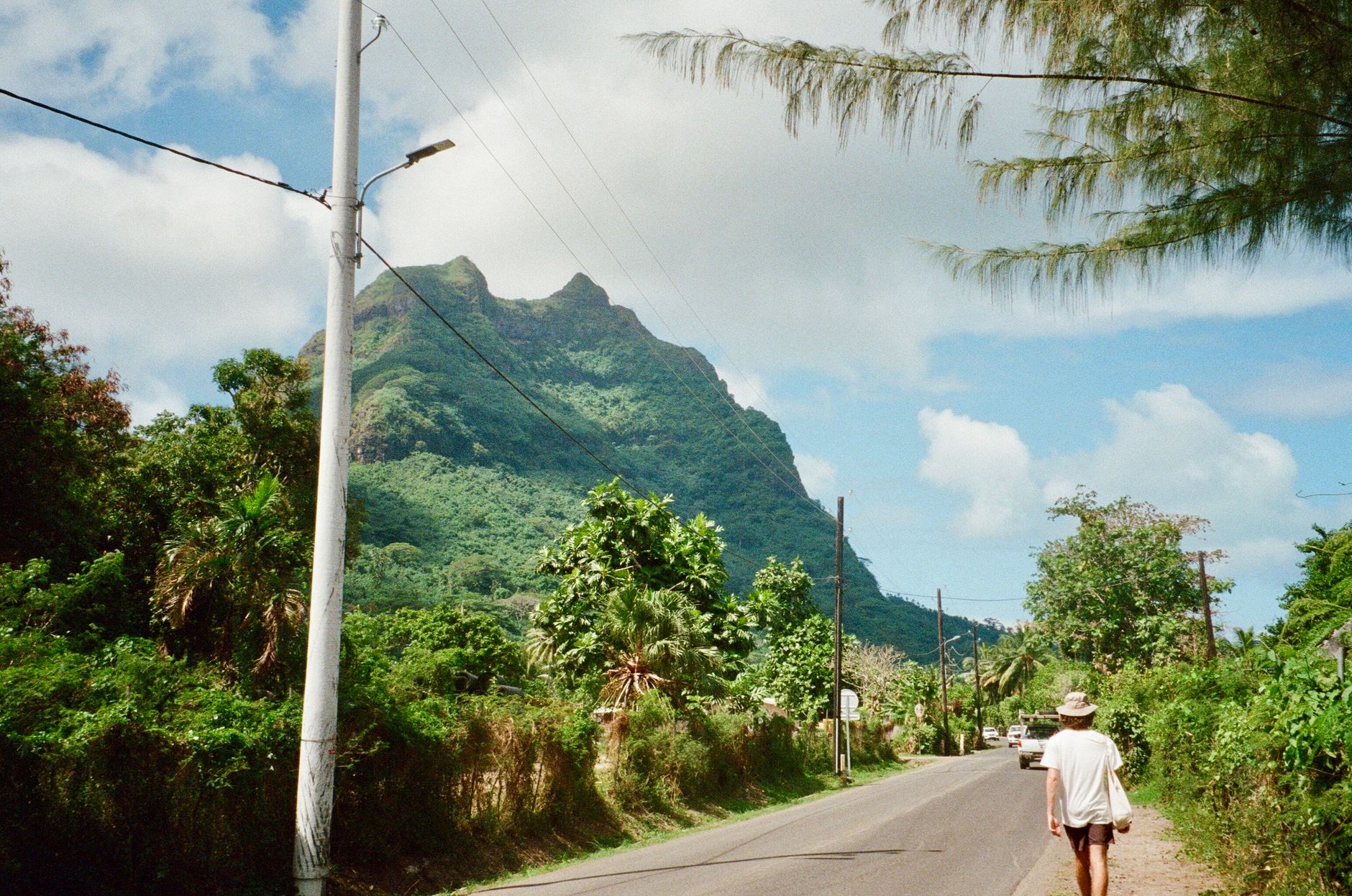
In our fast-paced, technology-driven world, it's easy to feel disconnected and overwhelmed. Stress, anxiety, and low moods can become unwelcome companions. But what if a simple, accessible solution lies just outside your door? Welcome to the world of ecotherapy, a powerful approach that uses the healing power of nature to boost your mental well-being. It's not just about taking a stroll in the park; it's about intentionally connecting with the natural world to find peace, resilience, and a renewed sense of self.
Many of us have experienced that calming effect of a walk in a lush green forest or the simple joy of feeling the sun on our skin. Ecotherapy formalizes these feelings, recognizing the deep, innate connection humans have with the earth. This isn't a new concept; our ancestors lived in close harmony with nature. Modern life has, for many, created a divide, but ecotherapy seeks to bridge that gap.
Ecotherapy, at its core, is a therapeutic approach that recognizes the profound impact the natural environment has on our mental and emotional health. It’s based on the understanding that humans are not separate from nature, but rather an integral part of it. When we spend time in natural settings, our bodies and minds respond positively. This can range from feeling more relaxed and less stressed to experiencing a greater sense of purpose and connection.
Think of it as a gentle nudge back towards balance. The constant stimulation of city life, digital screens, and demanding schedules can leave us feeling drained. Ecotherapy offers an antidote, allowing us to slow down, breathe deeply, and reconnect with something larger than ourselves.
Ecotherapy isn't a one-size-fits-all prescription. It encompasses a variety of activities, tailored to different needs and preferences. Here are some common forms:
A growing trend is the concept of 'park prescriptions,' where healthcare professionals recommend spending a specific amount of time outdoors each week. Research suggests that about 2 hours a week might be the optimal duration for reaping these benefits.
Why should you consider incorporating ecotherapy into your life? The advantages are plentiful and deeply impactful:
Even seemingly small actions, like gardening at home, have been shown to promote emotional well-being and increase feelings of calm and belonging.
Consider Priya, a marketing executive in Mumbai. After a particularly demanding day filled with back-to-back meetings and looming deadlines, she felt utterly drained. Instead of collapsing on the sofa with her phone, she decided to visit the small park near her apartment. She spent just 30 minutes walking among the trees, listening to the birds, and noticing the details of the leaves. By the time she returned home, she felt a noticeable shift – her shoulders had dropped, her breathing was deeper, and the overwhelming pressure had eased significantly. It was a simple act, but it made all the difference.
Bringing ecotherapy into your daily routine doesn't require a grand expedition. Here are practical ways to embrace nature:
Remember to protect yourself while enjoying the outdoors. Always wear sunscreen, especially during peak sun hours, and reapply it every couple of hours if you're in direct sunlight. Stay hydrated by drinking plenty of water.
While ecotherapy offers significant benefits, it's important to remember that it's often a complementary approach. If you are experiencing severe mental health challenges, such as persistent depression, severe anxiety, or trauma, it is essential to consult with a qualified mental health professional. They can help you determine the most effective treatment plan, which may include ecotherapy alongside other evidence-based therapies like cognitive behavioral therapy (CBT) or medication.
Yes, ecotherapy can be adapted for people of all ages and abilities. The key is to find an activity that suits your individual needs and comfort level. For those with mobility issues, sitting in a garden or a park can be just as beneficial as a long hike.
Absolutely. Spending time in nature has been shown to reduce stress hormones and promote relaxation, which are key components in managing anxiety. The calming effect of natural environments can provide a much-needed respite from anxious thoughts.
Research suggests that aiming for around 2 hours of nature exposure per week can provide optimal mental health benefits. However, even shorter, more frequent exposures can be effective.
Even urban environments offer opportunities for ecotherapy. Seek out local parks, botanical gardens, riverfronts, or even tree-lined streets. Bringing plants into your home or workspace can also create a mini-natural oasis.
Ecotherapy offers a beautiful, accessible path to improved mental well-being. By consciously reconnecting with the natural world, you can unlock a powerful source of healing, resilience, and peace right outside your doorstep. So, step out, breathe deep, and let nature work its magic.
Visit Hospital
Near You
Access expert medical advice in Kamarhati via online doctor consultations. Learn about benefits, how to choose a platform, and what to expect.
May 20, 2026
Expert advice for Joynagar residents on achieving stable blood sugar levels. Learn diet, exercise, and lifestyle tips for better diabetes management.
May 19, 2026
Explore breast cancer treatment options in Pujali, understanding diagnostics, therapies, and support for patients. Find expert care near you.
May 19, 2026