

Emergency & Help
24/7 Emergency & General Advisory
🚨 24/7 Medical Emergency
Non-Emergency Advisory
10:00 AM – 6:00 PM, Mon–Sat
For appointments & general queries.
24/7 Emergency & General Advisory
🚨 24/7 Medical Emergency
Non-Emergency Advisory
10:00 AM – 6:00 PM, Mon–Sat
For appointments & general queries.
Discover the essential role of Omega-3 fatty acids in your health, understand deficiency symptoms, and learn practical ways to boost your intake through diet and supplements for a healthier heart and sharper mind.

Omega-3 fatty acids are essential for good health, yet many people in India, like in the U.S., don't consume enough of them. These vital fats play a critical role in everything from brain function to heart health. Let's explore why omega-3s are so important, where you can find them, and how to ensure you're getting adequate amounts in your diet.
Omega-3s are a type of essential fatty acid (EFA). This means our bodies can't produce them on their own; we must obtain them from our diet. There are three main types of omega-3s:
It's important to understand that while ALA is essential, the body utilizes EPA and DHA more directly for critical functions. The limited conversion of ALA means relying solely on plant sources might not be enough for optimal omega-3 levels.
Adequate omega-3 intake is linked to numerous health benefits:
Omega-3s, particularly DHA, are building blocks for your brain. They are vital for maintaining brain structure and function throughout life. Research suggests they may play a role in supporting cognitive functions and potentially protecting against age-related cognitive decline and neurodegenerative diseases.
Omega-3 fatty acids can positively impact several heart disease risk factors. They may help lower blood pressure, reduce triglycerides (a type of fat in your blood), slow the development of plaque in your arteries, and reduce the likelihood of heart attack and stroke.
Chronic inflammation is at the root of many serious health conditions. Omega-3s have potent anti-inflammatory properties that can help manage inflammation throughout the body, potentially alleviating symptoms associated with inflammatory conditions.
DHA is a significant component of the retina. Adequate intake is essential for maintaining good vision and may help protect against age-related eye conditions like macular degeneration and dry eye disease, though more research is needed in this area.
While specific data for India might vary, global trends suggest that many populations, including those in India, may not be consuming sufficient omega-3s. This is often due to:
The recommended daily intake for combined EPA and DHA is typically between 250-500 mg. However, average intakes from food sources often fall significantly short of this recommendation.
Incorporating omega-3-rich foods into your diet is the best way to boost your intake.
A real-life scenario: Mrs. Sharma, a 55-year-old homemaker, recently learned from her doctor that her cholesterol levels were slightly elevated and she had a family history of heart disease. Her doctor advised her to increase her intake of omega-3 fatty acids. She usually cooks with mustard oil and eats vegetables and lentils daily, but rarely includes fish or nuts in her diet. Her doctor suggested she try adding a tablespoon of ground flaxseed to her morning curd and incorporate grilled surmai (Indian mackerel) or salmon into her meals twice a week.
If you find it challenging to meet your omega-3 needs through diet alone, supplements can be a good option. Common supplements include:
When choosing a supplement, look for one that specifies the amounts of EPA and DHA per serving. It's always best to consult with your doctor or a registered dietitian before starting any new supplement, especially if you have existing health conditions or are taking medications.
Symptoms of omega-3 deficiency can be subtle and may overlap with other conditions. However, some potential signs include:
It's important to remember that these symptoms are not exclusive to omega-3 deficiency and require a proper medical evaluation.
You should consider speaking with your doctor if you:
Your doctor can help assess your needs, recommend appropriate dietary changes or supplements, and monitor your progress.
While you can get ALA from vegetarian sources like flaxseeds and walnuts, the conversion of ALA to EPA and DHA in the body is very limited. For adequate EPA and DHA, vegetarians and vegans may need to consider algal oil supplements or focus on fortified foods.
General recommendations often suggest 250-500 mg of combined EPA and DHA per day for healthy adults. However, the optimal dosage can vary based on individual health needs and conditions. Always consult your doctor for personalized advice.
Omega-3 supplements are generally safe for most people. However, high doses can sometimes cause mild side effects like fishy burps, bad breath, heartburn, nausea, or diarrhea. Taking supplements with meals can help minimize these. High doses can also increase the risk of bleeding, so it's essential to discuss this with your doctor if you're on blood thinners.
Visit Hospital
Near You
Everything you need to know about appendix surgery in Garden Reach, from symptoms to recovery. Expert insights for informed decisions.
May 19, 2026
Explore advanced oral cancer treatment options available in Bardhaman. Understand diagnosis, therapies, and support for patients.
May 19, 2026
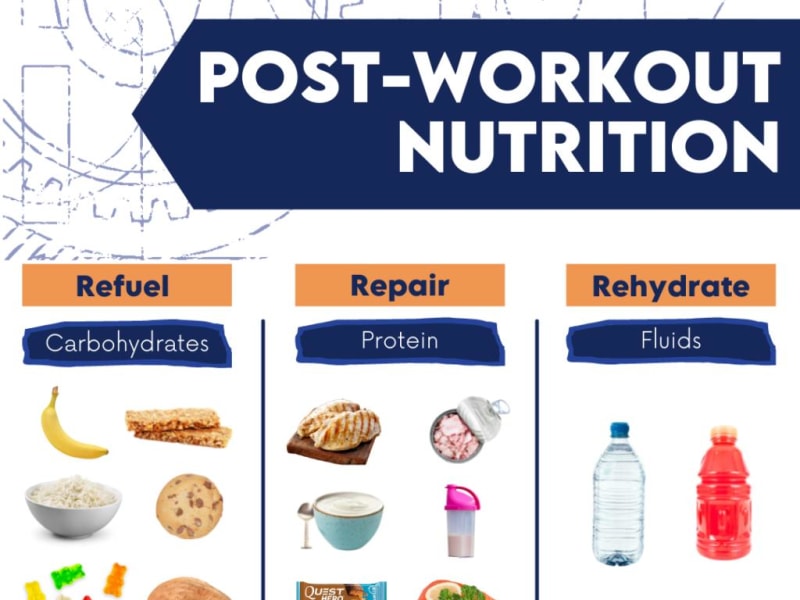
Pre- and post-workout nutrition are two of the most impactful yet frequently confused aspects of sports nutrition. The right foods at the right times can meaningfully improve performance, accelerate recovery, and maximise muscle adaptation — here's exactly what to eat and when.
April 14, 2026