

Emergency & Help
24/7 Emergency & General Advisory
🚨 24/7 Medical Emergency
Non-Emergency Advisory
10:00 AM – 6:00 PM, Mon–Sat
For appointments & general queries.
24/7 Emergency & General Advisory
🚨 24/7 Medical Emergency
Non-Emergency Advisory
10:00 AM – 6:00 PM, Mon–Sat
For appointments & general queries.
Explore the safety and benefits of aspartame for individuals managing diabetes. Understand its impact on blood sugar, potential risks, and expert recommendations.

Navigating the world of food as a person with diabetes can sometimes feel like a minefield. You're constantly checking labels, worrying about sugar content, and trying to make choices that keep your blood sugar levels stable. One common question that pops up is about artificial sweeteners. Specifically, many people wonder about aspartame: is it a safe choice for managing diabetes? Let's break down what the science says.
Aspartame is a widely used artificial sweetener. It’s known for being incredibly sweet – about 200 times sweeter than regular sugar, but with very few calories (less than 4 calories per gram). It’s made from two amino acids: L-aspartic acid and L-phenylalanine. These are amino acids that your body naturally uses and can also be found in many common foods. You’ll find aspartame in many products, from diet sodas and sugar-free candies to chewing gum and cereals. It’s also available in packet form as a tabletop sweetener, often under brand names like Equal, Sugar Twin, and NutraSweet.
Interestingly, aspartame wasn't intentionally created as a sweetener. It was discovered by accident in 1965 by a chemist named Jim Schlatter while he was researching treatments for gastric ulcers. After its accidental discovery, it took time for aspartame to make its way into our food supply. The U.S. Food and Drug Administration (FDA) first approved its use in certain foods like chewing gum and cereal in 1981. By 1983, its approval extended to carbonated beverages, like diet sodas. The FDA has established an acceptable daily intake (ADI) for aspartame, which is 50 milligrams per kilogram of body weight. This level is considered very safe, being 100 times less than the amount found to cause health concerns in animal studies.
This is where it gets particularly relevant for individuals managing diabetes. The biggest concern for anyone with diabetes is how food affects blood sugar and insulin levels. The good news is that aspartame has a glycemic index of zero. This means it does not directly raise your blood sugar levels. It also doesn't count as carbohydrates or calories in the context of a diabetic exchange diet. Numerous studies have looked into aspartame's effects, and the general consensus from current data is that it does not impact blood sugar or insulin levels. This is a significant point for those trying to maintain stable glucose readings.
While aspartame itself doesn't seem to pose a direct risk to blood sugar control in people with diabetes, there’s a crucial caveat: always read the full ingredient list. Foods that are labeled “sugar-free” or “diet” and contain aspartame might also contain other ingredients that can affect your blood sugar. For instance, a sugar-free baked good sweetened with aspartame might still contain refined white flour, which is a source of carbohydrates that will raise blood sugar. Similarly, diet sodas, while aspartame-free of sugar, may contain other additives that some people prefer to avoid. It’s about looking at the whole picture of what’s in your food, not just the sweetener.
Consider this scenario: Maya, who has type 2 diabetes, is at a cafe and orders a sugar-free muffin, feeling good about making a healthy choice. She enjoys it with her black coffee, which she’s sweetened with a packet of her favorite artificial sweetener, thinking she’s covered all her bases. Later that afternoon, she notices her blood sugar is higher than usual. While the sweetener likely didn’t cause it, the muffin itself, made with refined flour and perhaps other hidden sugars or starches, could be the culprit.
For individuals managing diabetes, a nutritious and balanced diet low in simple carbohydrates is essential. Using aspartame can be a tool to help achieve this. It allows people to enjoy the taste of sweetness without consuming sugars that can lead to detrimental blood sugar spikes. By opting for products sweetened with aspartame, individuals can satisfy sweet cravings while sticking to their dietary goals. This can make sticking to a diabetes management plan feel less restrictive and more sustainable in the long run.
Despite the extensive research and FDA approval, aspartame use remains a topic of discussion and some controversy among medical professionals and the public. Some still call for more research, even after decades of studies. The FDA, however, maintains its stance on aspartame's safety for the general population, with the sole exception being individuals with the rare hereditary condition phenylketonuria (PKU). People with PKU cannot properly metabolize phenylalanine, one of the components of aspartame, so they must avoid it.
While aspartame is generally considered safe for people with diabetes, it’s always wise to have a personalized conversation with your healthcare provider. They can offer guidance based on your specific health status, diabetes management plan, and any other medical conditions you may have. If you have PKU, you must avoid aspartame entirely.
No, there are several artificial sweeteners that are generally considered safe for people with diabetes because they do not significantly impact blood sugar levels. These include sucralose, saccharin, acesulfame potassium (Ace-K), and stevia. However, it's always best to check with your doctor or a registered dietitian about which sweeteners best fit your individual needs and dietary plan.
Drinking diet soda in moderation is generally considered acceptable for people with diabetes, as they are typically sweetened with artificial sweeteners like aspartame and do not contain sugar. However, it’s important to remember that diet sodas may contain other additives, and relying too heavily on them might not be the healthiest habit. Water remains the best choice for hydration. Discuss your intake of diet beverages with your doctor.
Major health organizations and regulatory bodies, including the FDA and the European Food Safety Authority (EFSA), have reviewed numerous studies on aspartame. The overwhelming scientific consensus is that aspartame does not cause cancer when consumed within the acceptable daily intake levels.
If you have concerns about aspartame or any other artificial sweetener, the best course of action is to speak with your doctor or a registered dietitian. They can provide evidence-based information and help you make informed decisions about your diet based on your personal health profile.
In summary, aspartame is a low-calorie sweetener that has a zero glycemic index and does not appear to affect blood sugar or insulin levels. For many people with diabetes, it can be a useful tool for satisfying sweet cravings while maintaining blood glucose control. Remember to always look at the complete ingredient list of any product and consult with your healthcare provider for personalized advice.
Visit Hospital
Near You
Everything you need to know about appendix surgery in Garden Reach, from symptoms to recovery. Expert insights for informed decisions.
May 19, 2026
Explore advanced oral cancer treatment options available in Bardhaman. Understand diagnosis, therapies, and support for patients.
May 19, 2026
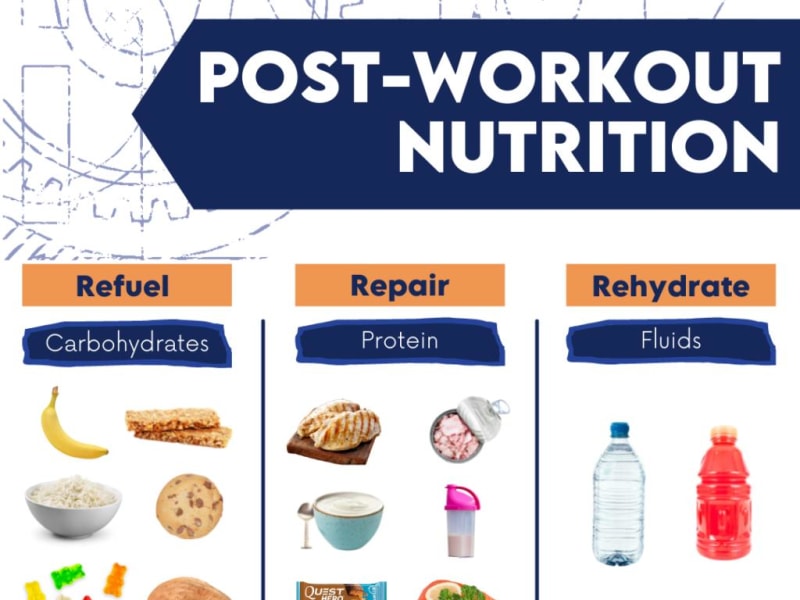
Pre- and post-workout nutrition are two of the most impactful yet frequently confused aspects of sports nutrition. The right foods at the right times can meaningfully improve performance, accelerate recovery, and maximise muscle adaptation — here's exactly what to eat and when.
April 14, 2026