

Emergency & Help
24/7 Emergency & General Advisory
🚨 24/7 Medical Emergency
Non-Emergency Advisory
10:00 AM – 6:00 PM, Mon–Sat
For appointments & general queries.
24/7 Emergency & General Advisory
🚨 24/7 Medical Emergency
Non-Emergency Advisory
10:00 AM – 6:00 PM, Mon–Sat
For appointments & general queries.
Discover the vibrant health benefits of beta carotene, from boosting vision and immunity to promoting healthy skin. Learn about food sources, risks of supplements, and when to consult a doctor.

Have you ever wondered what gives carrots their vibrant orange colour, or why sweet potatoes are so deliciously rich? The secret lies in a powerful plant pigment called beta carotene. More than just a pretty colourant, beta carotene is a vital nutrient that our bodies can transform into vitamin A, playing a starring role in everything from our eyesight to our immune system. Let's explore how this humble compound contributes to our well-being. What Exactly Is Beta Carotene? Beta carotene is a type of carotenoid, a group of natural pigments found in many fruits and vegetables. Its name itself comes from the Latin word for carrot, 'carota,' highlighting its most famous source. Discovered way back in 1831 by scientist Heinrich Wilhelm Ferdinand Wackenroder, beta carotene is what gives many foods their appealing red, orange, and yellow hues. But its importance goes far beyond aesthetics. It's a 'provitamin A' carotenoid, meaning our bodies can convert it into vitamin A (also known as retinol) as needed. This conversion process is essential, as vitamin A is critical for numerous bodily functions. Beyond its role as a precursor to vitamin A, beta carotene is also a potent antioxidant. Antioxidants are like tiny bodyguards, protecting our cells from damage caused by unstable molecules called free radicals. When free radicals outnumber antioxidants, it leads to a state called oxidative stress, which can contribute to various chronic diseases and cellular aging. Beta carotene helps to neutralise these free radicals, thereby reducing oxidative stress and supporting overall health. Key Health Benefits of Beta Carotene Incorporating foods rich in beta carotene into your diet can offer a spectrum of health advantages. Here are some of the most well-supported benefits: Supports Vision Health One of the most well-known roles of vitamin A, which our bodies make from beta carotene, is its importance for good vision. Vitamin A is a component of rhodopsin, a protein in the eyes that absorbs light and allows us to see, especially in dim conditions. Adequate intake of beta carotene can help prevent vitamin A deficiency, a leading cause of preventable blindness worldwide. Research has also shown that high blood levels of carotenoids, including beta carotene, may significantly reduce the risk of developing advanced age-related macular degeneration (AMD), a common eye condition in older adults. Boosts Immune Function Vitamin A plays a vital role in maintaining a strong immune system. It supports the development and function of various immune cells, helping your body fight off infections more effectively. Beta carotene, by providing the body with vitamin A, indirectly contributes to robust immunity. A well-functioning immune system is your first line of defence against a wide range of pathogens. Promotes Healthy Skin The antioxidant properties of beta carotene can extend to your skin. By combating oxidative stress, it may help protect your skin from damage caused by environmental factors, including UV radiation from the sun. Some studies suggest that consuming beta carotene-rich foods can enhance your skin's defence against UV rays and contribute to a healthier appearance. However, it's crucial to remember that the protection offered by dietary beta carotene is not a substitute for sunscreen; it's an additional layer of support. May Offer Protection Against Certain Cancers Research into the link between beta carotene and cancer prevention is ongoing, but some findings are promising. Studies have suggested that people who consume diets rich in carotenoids, such as beta carotene, may have a lower risk of developing certain types of cancer, notably lung cancer. While more research is needed, the antioxidant action of beta carotene is thought to play a role in protecting cells from damage that could lead to cancer. Supports Cognitive Function Emerging research indicates a potential link between beta carotene and cognitive health. A review of studies found that long-term supplementation with antioxidants, including beta carotene, might offer modest benefits for cognitive function and memory. This effect appears to be more pronounced with prolonged intake, suggesting that a consistent intake of beta carotene-rich foods over years could support brain health as we age. While short-term effects are less clear, the general benefits of antioxidant-rich diets for reducing cognitive decline are well-recognised. Excellent Food Sources of Beta Carotene The best way to harness the benefits of beta carotene is by eating a variety of colourful fruits and vegetables. Here are some top sources: Carrots: As the name suggests, carrots are an exceptional source. 100 grams of cooked carrots can provide over 8,000 mcg of beta carotene. Sweet Potatoes: These are nutritional powerhouses. A 100-gram serving of boiled sweet potato can contain over 9,000 mcg of beta carotene. Spinach: This leafy green is another fantastic source. 100 grams of cooked spinach can offer more than 6,000 mcg of beta carotene. Kale: Similar to spinach, kale is packed with this beneficial nutrient. Cantaloupe: This sweet melon provides a good dose of beta carotene, especially when ripe. Apricots: Both fresh and dried apricots are good sources. Pumpkin: Another vibrant orange vegetable that's rich in beta carotene. Red and Yellow Bell Peppers: Don't underestimate these colourful peppers; they contain significant amounts. How Much Beta Carotene Do You Need? There isn't a specific Recommended Dietary Allowance (RDA) for beta carotene itself, as it's a precursor to vitamin A. The RDA for vitamin A is well-established. However, focusing on consuming a diet rich in beta carotene-rich foods ensures you're getting adequate amounts. For most adults, aiming for a variety of colourful fruits and vegetables daily will easily meet these needs. For instance, eating just one medium carrot or half a cup of cooked sweet potato can provide a substantial portion of your daily vitamin A requirement. Beta Carotene Supplements: When and Why? While obtaining beta carotene from food is ideal, supplements are available. These are sometimes considered for individuals with specific dietary restrictions or absorption issues. However, it's important to approach beta carotene supplementation with caution. High-dose beta carotene supplements have been linked to potential risks, particularly in certain groups. Potential Risks of Beta Carotene Supplements The most significant concern regarding high-dose beta carotene supplements is their association with an increased risk of lung cancer in smokers and former heavy smokers. Studies have shown that supplementation in these groups can actually be harmful. Therefore, smokers should strictly avoid beta carotene supplements. Additionally, excessive intake of beta carotene from supplements can lead to a harmless condition called carotenemia, where the skin turns a yellowish-orange hue, especially on the palms and soles. This is generally reversible by reducing intake. When to Consult a Doctor While beta carotene is generally safe when obtained from food, it's wise to consult your doctor or a registered dietitian before starting any high-dose supplements. This is especially important if you: Are a current smoker or have a history of heavy smoking. Have any chronic health conditions. Are pregnant or breastfeeding. Are taking other medications or supplements. Your healthcare provider can help you determine if supplementation is necessary and safe for your individual needs. A Real-Life Scenario Consider Mrs. Sharma, a 65-year-old woman who loves gardening but has noticed her eyesight isn't as sharp as it used to be, especially in the evenings. She also worries about maintaining her skin's health as she ages. Her doctor, after reviewing her diet, suggested she increase her intake of colourful vegetables like carrots and sweet potatoes. By adding a serving of cooked carrots or sweet potato to her meals a few times a week, she noticed a gradual improvement in her night vision and felt her skin looked healthier and more radiant. Preventing Deficiency and Maximising Benefits The simplest and safest way to ensure you get enough beta carotene is to embrace a diet filled with a rainbow of fruits and vegetables. Aim to include at least one or two servings of beta carotene-rich foods in your daily meals. Cooking methods like steaming or boiling can actually make beta carotene more accessible for your body to absorb. Pairing these foods with a small amount of healthy fat, like olive oil or avocado, can also enhance absorption. Frequently Asked Questions (FAQ) Q1: Can beta carotene cure night blindness? Beta carotene helps prevent and manage night blindness caused by vitamin A deficiency. If your night blindness is due to other causes, beta carotene may not be effective. Q2: Is it safe to eat beta carotene every day? Yes, it is safe and highly recommended to consume beta carotene daily through a balanced diet of fruits and vegetables. High-dose supplements, however, require caution. Q3: Can beta carotene turn my skin orange? Yes, excessive intake from supplements can cause a harmless condition called carotenemia, leading to yellowish-orange skin, particularly in areas with thicker skin like palms and soles. This usually resolves when intake is reduced. Q4: Are beta carotene supplements better than food sources? For most people, food sources are superior. They provide a balanced mix of nutrients and fibre, and the risk of adverse effects is much lower compared to high-dose supplements. Supplements are generally recommended only under specific medical guidance. Q5: What is the
In summary, timely diagnosis, evidence-based treatment, and prevention-focused care improve long-term health outcomes.
Visit Hospital
Near You
Everything you need to know about appendix surgery in Garden Reach, from symptoms to recovery. Expert insights for informed decisions.
May 19, 2026
Explore advanced oral cancer treatment options available in Bardhaman. Understand diagnosis, therapies, and support for patients.
May 19, 2026
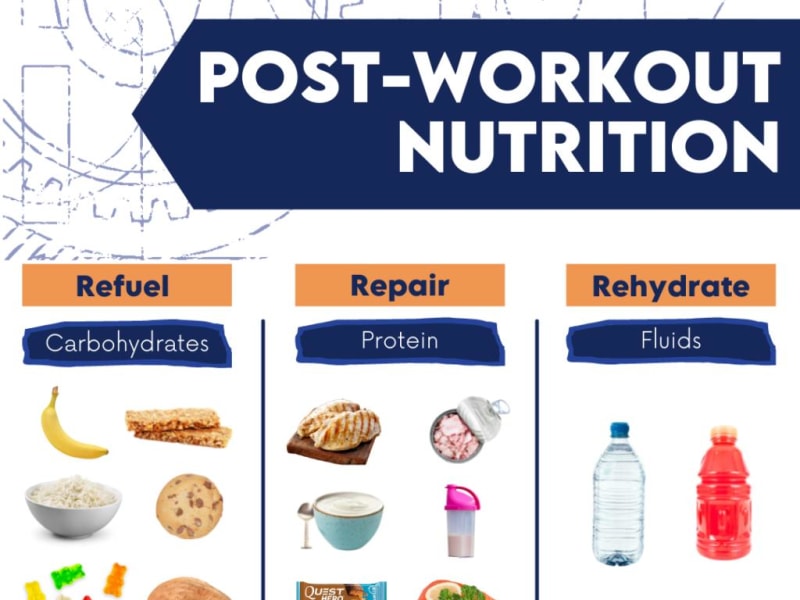
Pre- and post-workout nutrition are two of the most impactful yet frequently confused aspects of sports nutrition. The right foods at the right times can meaningfully improve performance, accelerate recovery, and maximise muscle adaptation — here's exactly what to eat and when.
April 14, 2026