

Emergency & Help
24/7 Emergency & General Advisory
🚨 24/7 Medical Emergency
Non-Emergency Advisory
10:00 AM – 6:00 PM, Mon–Sat
For appointments & general queries.
24/7 Emergency & General Advisory
🚨 24/7 Medical Emergency
Non-Emergency Advisory
10:00 AM – 6:00 PM, Mon–Sat
For appointments & general queries.
Discover the vibrant world of beta carotene! Learn how this plant pigment converts to vitamin A, its antioxidant benefits for eyes, skin, and overall health, and the best food sources to include in your Indian diet.

Have you ever admired the vibrant orange of a carrot or the deep green of spinach and wondered what makes them so special? Much of their goodness comes from a powerful plant pigment called beta carotene. It's not just about beautiful colours; beta carotene plays a starring role in keeping your body healthy, from your eyes to your skin and beyond. Let's explore what beta carotene is, how it benefits you, and where you can find it.
Beta carotene is a type of carotenoid, which are natural compounds found in plants that give them their bright red, orange, and yellow hues. The name itself comes from the Latin word for carrot, Daucus carota, where it was first identified. Back in 1831, a scientist named Heinrich Wilhelm Ferdinand Wackenroder successfully crystallized it from carrots. But beta carotene is more than just a pretty colourant. It's a 'provitamin A' carotenoid. This means your body can convert it into vitamin A (also known as retinol) when needed. Vitamin A is absolutely essential for good vision, a strong immune system, and healthy skin. Beyond its role as a vitamin A precursor, beta carotene is also a potent antioxidant.
Antioxidants are like your body's internal defence squad. They fight against unstable molecules called free radicals. Free radicals are produced naturally in the body, but when their numbers become too high, they can cause damage to your cells and tissues. This imbalance is known as oxidative stress, and it's linked to the development of many chronic health problems, including heart disease, cancer, and cognitive decline. Beta carotene, by neutralizing these free radicals, helps reduce oxidative stress and protect your body at a cellular level.
Incorporating foods rich in beta carotene into your diet can offer a range of health advantages:
One of the most well-known benefits of beta carotene is its role in vision. As your body converts it to vitamin A, it helps maintain the health of your eyes. Vitamin A is a component of rhodopsin, a protein in your eyes that absorbs light and allows you to see, especially in low-light conditions. Research suggests that having higher blood levels of carotenoids, including beta carotene, may significantly reduce the risk of developing advanced age-related macular degeneration (AMD), a leading cause of vision loss in older adults.
Beta carotene can contribute to healthier, more resilient skin. Its antioxidant properties help protect your skin cells from damage caused by exposure to the sun's ultraviolet (UV) radiation. While it's not a substitute for sunscreen, a diet rich in beta carotene can enhance your skin's natural defences and contribute to its overall health and appearance. Some studies indicate that carotenoids can help improve skin tone and reduce redness, giving your complexion a more radiant look.
The antioxidant power of beta carotene is also being studied for its potential role in cancer prevention. Several studies suggest that people who consume plenty of fruits and vegetables rich in carotenoids, like beta carotene, may have a lower risk of developing certain cancers, particularly lung cancer. Vitamin A, derived from beta carotene, is also vital for the proper functioning of lung tissues. However, research in this area is ongoing, and it's important to remember that a balanced diet is key, not just one nutrient.
Emerging research points towards a potential benefit of beta carotene for brain health. Some studies, including a 2018 Cochrane review, have found small improvements in cognitive function and memory associated with long-term beta carotene supplementation. These benefits seem to be linked to its antioxidant effects, which can protect brain cells from oxidative stress. However, the effects observed were primarily with long-term supplementation, and more research is needed to fully understand this connection. Nevertheless, a diet rich in fruits and vegetables, which are good sources of beta carotene, is generally associated with a reduced risk of cognitive decline.
Vitamin A, which your body makes from beta carotene, is a cornerstone of a healthy immune system. It plays a critical role in the development and function of various immune cells. By ensuring adequate conversion of beta carotene to vitamin A, you help your body maintain a robust defence against infections and illnesses.
The best way to get beta carotene is through your diet. Fortunately, it's found in a wide variety of colourful fruits and vegetables. Aim to include a rainbow of produce in your meals:
Think about your daily meals: adding a side of steamed carrots with your dinner, blending spinach into your morning smoothie, or enjoying a slice of cantaloupe for dessert are simple ways to boost your intake.
While beta carotene is readily available in food, some people consider supplements. It's important to approach supplements with caution. High doses of beta carotene supplements, especially in smokers and former heavy smokers, have been linked to an increased risk of lung cancer. Therefore, it's generally recommended to get your beta carotene from food sources whenever possible. If you are considering a supplement, always talk to your doctor first. They can help you determine if it's appropriate for you and advise on safe dosages.
For most people, consuming beta carotene through food is safe. A potential side effect of consuming very large amounts of beta carotene-rich foods is carotenemia, a harmless condition where your skin turns a slightly yellowish-orange colour. This is temporary and resolves once you reduce your intake. As mentioned, high-dose beta carotene supplements can carry risks, particularly for certain groups. Always prioritize getting nutrients from whole foods.
While beta carotene is generally safe and beneficial when obtained from food, it's wise to consult a healthcare professional in the following situations:
Your doctor can provide personalized advice based on your individual health needs and medical history.
Yes, consuming very large amounts of beta carotene-rich foods can lead to a harmless condition called carotenemia, which causes a temporary yellowish-orange tint to the skin. This is not dangerous and usually resolves when you reduce your intake of these foods.
No, beta carotene is a precursor to vitamin A. Your body converts beta carotene into vitamin A as needed. Vitamin A itself is the active form.
It's very difficult to get too much beta carotene from vegetables alone. Your body only converts the amount of beta carotene it needs into vitamin A, and excess beta carotene is generally stored or excreted. The main concern with excess intake is carotenemia, which is harmless.
No, beta carotene supplements are not recommended for everyone. High doses have been linked to increased risks, particularly in smokers. It's best to get beta carotene from food sources and consult a doctor before taking supplements.
Visit Hospital
Near You
Everything you need to know about appendix surgery in Garden Reach, from symptoms to recovery. Expert insights for informed decisions.
May 19, 2026
Explore advanced oral cancer treatment options available in Bardhaman. Understand diagnosis, therapies, and support for patients.
May 19, 2026
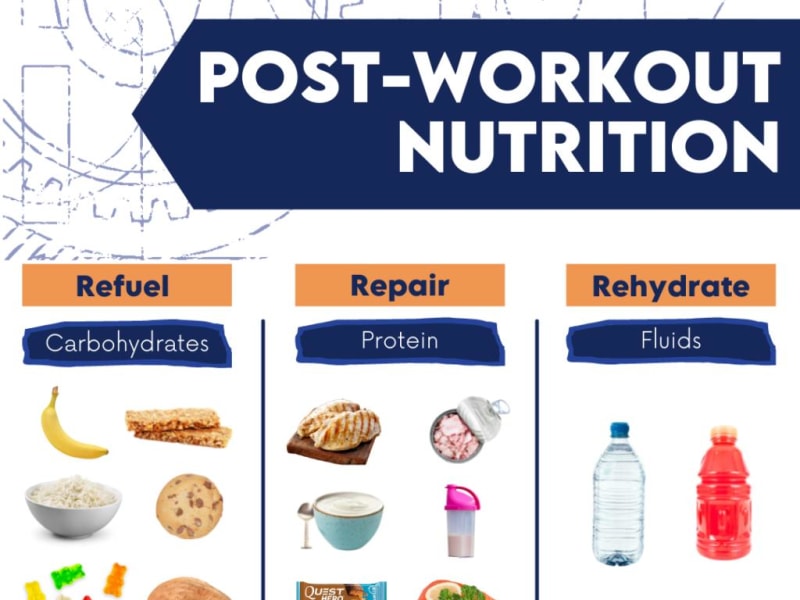
Pre- and post-workout nutrition are two of the most impactful yet frequently confused aspects of sports nutrition. The right foods at the right times can meaningfully improve performance, accelerate recovery, and maximise muscle adaptation — here's exactly what to eat and when.
April 14, 2026