

Emergency & Help
24/7 Emergency & General Advisory
🚨 24/7 Medical Emergency
Non-Emergency Advisory
10:00 AM – 6:00 PM, Mon–Sat
For appointments & general queries.
24/7 Emergency & General Advisory
🚨 24/7 Medical Emergency
Non-Emergency Advisory
10:00 AM – 6:00 PM, Mon–Sat
For appointments & general queries.
Exploring the possibility, safety, and culinary aspects of making cheese and other dishes from breast milk. Learn about the nutritional benefits and crucial health considerations.

Breast milk is a nutritional powerhouse, perfectly designed to nourish a growing infant. It’s packed with antibodies, enzymes, and growth factors that support a baby's development. For mothers who produce more milk than their baby consumes, the question might arise: what else can be done with this precious liquid? While freezing and donation are common options, some daring culinary explorers have ventured into more unconventional territory – making cheese from breast milk. This idea, popularized by chefs like Daniel Angerer, has sparked curiosity and debate. Is it safe? Is it practical? And what does it actually taste like? Let's explore the fascinating, and sometimes controversial, world of breast milk cheese.
The notion of using breast milk in recipes isn't entirely new, but it gained significant media attention in 2010 when Chef Daniel Angerer shared a recipe for breast milk cheese on his blog. Angerer's wife had an abundant supply of pumped breast milk, and with limited freezer space, inspiration struck. Instead of letting the milk go to waste, he decided to experiment in the kitchen. His creation, breast milk cheese, garnered a mix of fascination and bewilderment. While it was a personal experiment for his household and not a commercial venture, it opened the door for discussions about alternative uses for surplus breast milk.
The reality TV show "MasterChef" also featured a contestant who prepared mac and cheese using breast milk, much to the surprise of judge Gordon Ramsay. These instances highlight a growing, albeit niche, interest in incorporating breast milk into culinary creations beyond infant feeding. The underlying sentiment often relates to "waste not, want not" and embracing the nutritional benefits of breast milk in different forms.
Yes, it is technically possible to make cheese from breast milk. The process involves coagulation, similar to how cheese is made from animal milk. Enzymes, such as rennet, or acids can be used to curdle the milk, separating the solids (curds) from the liquids (whey). Chef Angerer's recipe, for example, utilized cow's milk and rennet, suggesting that breast milk might be used in conjunction with other ingredients to achieve the desired cheese texture and flavor. However, it's important to understand that breast milk has a different composition than cow's or goat's milk, which can affect the coagulation process and the final product's characteristics.
Breast milk is uniquely tailored to meet the nutritional needs of infants. It contains a complex mix of proteins, fats, carbohydrates, vitamins, minerals, and crucial antibodies. These components contribute to a baby's immune system development, gut health, and overall growth. When considering its use in recipes, the nutritional value remains. It can offer immune-boosting properties and essential nutrients. For mothers who wish to extend these benefits beyond infancy, incorporating it into other foods might seem like a logical step. For instance, using it in mac and cheese or other baked goods could introduce these nutrients to older children or even adults.
Despite the culinary intrigue, there are significant health and safety concerns that cannot be overlooked. This is perhaps the most critical aspect when discussing breast milk in recipes.
Raw breast milk is unpasteurized. This means it has not undergone a heating process to kill harmful bacteria. Like any unpasteurized bodily fluid, it can harbor illness-causing microorganisms if not handled and stored with extreme care. Improper storage or handling can lead to bacterial contamination, posing a risk of foodborne illness.
Breast milk can transmit viruses. Mothers who are infected with certain viruses, such as HIV, Hepatitis B, or Hepatitis C, can pass these infections to their baby through breast milk. This is why donated breast milk undergoes rigorous screening and testing to ensure safety for recipients. When considering using breast milk for culinary purposes outside of direct infant feeding, these risks must be seriously considered. It is paramount that the milk is from a known, healthy source, and has been stored impeccably.
Food safety regulations are stringent, especially for commercial food production. Using breast milk in a restaurant setting, for instance, would likely face significant regulatory challenges due to its status as a bodily fluid and the inherent safety concerns. Chef Angerer's experience highlights this, as he was unable to offer his breast milk cheese to restaurant patrons due to health regulations.
While cheese is a notable example, breast milk can be used in other culinary applications:
In these applications, the milk is often mixed with other ingredients, and the heat from cooking or baking may reduce some, but not all, of the risks associated with raw milk. However, the fundamental safety considerations regarding contamination and viral transmission still apply.
The idea of using breast milk in food also touches upon ethical considerations. Some groups, like People for the Ethical Treatment of Animals (PETA), have expressed support for using human milk as a more ethical alternative to animal-derived dairy products. This perspective frames it as a compassionate choice, especially for individuals who are vegan or concerned about animal welfare. However, it's worth noting that many recipes, including Angerer's original cheese, may still incorporate animal products like rennet, meaning they aren't strictly vegan.
While this topic delves into culinary creativity, it's essential to prioritize health and safety. If you are considering using your own surplus breast milk for something other than feeding your baby, or if you have concerns about milk supply or storage, it is always best to consult with a healthcare professional.
They can offer evidence-based advice tailored to your specific situation.
It can be safe if the milk is from a healthy mother, has been stored impeccably, handled with utmost hygiene, and ideally, pasteurized before use. However, raw breast milk carries risks of bacterial contamination and viral transmission, making unpasteurized preparations potentially unsafe.
No, selling food products made from breast milk is generally not permitted due to stringent food safety regulations concerning bodily fluids and unpasteurized ingredients.
Reports vary, but it's often described as having a mild, slightly sweet, and creamy taste, distinct from traditional dairy cheeses. The flavor can also be influenced by the mother's diet and the cheese-making process itself.
Yes, the primary risks include bacterial contamination and the potential transmission of viruses like HIV, Hepatitis B, and Hepatitis C if the mother is infected. Improper storage and handling significantly increase these risks.
Safer and more common alternatives include freezing it for future use by your baby, donating it to a milk bank, or using it in small quantities in cooked foods where heat can help mitigate some risks (though not eliminate them entirely).
The exploration of using breast milk in recipes is certainly a conversation starter. While the culinary possibilities are intriguing, the paramount importance of health and safety must guide any such endeavors. For most mothers, safe storage, donation, or continued use by their infant remain the most recommended and sensible pathways for managing surplus breast milk.
Visit Hospital
Near You
Everything you need to know about appendix surgery in Garden Reach, from symptoms to recovery. Expert insights for informed decisions.
May 19, 2026
Explore advanced oral cancer treatment options available in Bardhaman. Understand diagnosis, therapies, and support for patients.
May 19, 2026
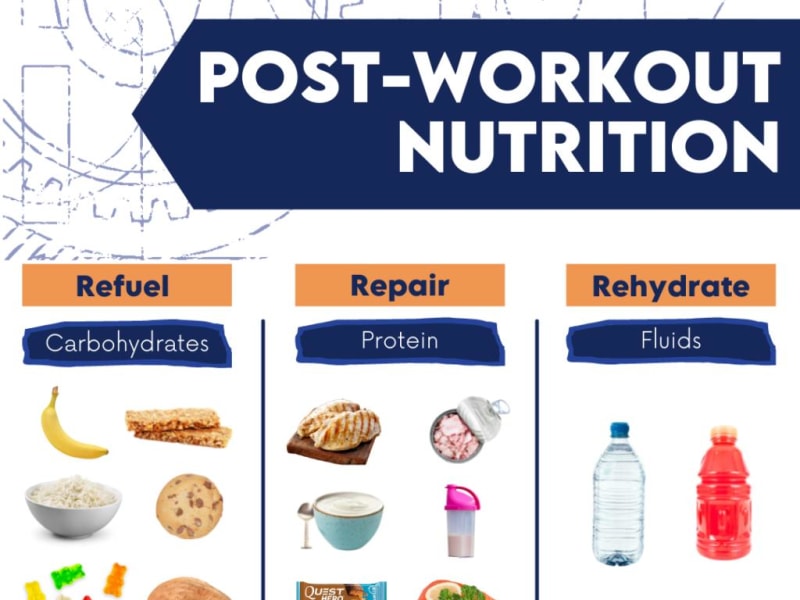
Pre- and post-workout nutrition are two of the most impactful yet frequently confused aspects of sports nutrition. The right foods at the right times can meaningfully improve performance, accelerate recovery, and maximise muscle adaptation — here's exactly what to eat and when.
April 14, 2026