

Emergency & Help
24/7 Emergency & General Advisory
🚨 24/7 Medical Emergency
Non-Emergency Advisory
10:00 AM – 6:00 PM, Mon–Sat
For appointments & general queries.
24/7 Emergency & General Advisory
🚨 24/7 Medical Emergency
Non-Emergency Advisory
10:00 AM – 6:00 PM, Mon–Sat
For appointments & general queries.
Explore the potential benefits and limitations of using apple cider vinegar (ACV) to help manage blood pressure, considering its effects on cholesterol, blood sugar, and weight. Learn about safe consumption and when to consult a doctor.

High blood pressure, also known as hypertension, is a common health concern that affects millions worldwide. It’s a silent killer, often showing no symptoms until it leads to serious complications like heart disease, stroke, and kidney failure. While lifestyle changes and prescribed medications are the cornerstones of managing hypertension, many people are curious about natural remedies that might offer additional support. One such remedy that has gained popularity is apple cider vinegar (ACV).
Apple cider vinegar, a fermented product made from crushed apples, has been used for centuries as a home remedy for various ailments. Its proponents claim it can aid in weight loss, improve digestion, and even help manage blood sugar levels. But can it truly help lower blood pressure? Let's delve into the available research and understand its potential role in hypertension management.
Before we discuss ACV, it’s crucial to understand what high blood pressure is. Blood pressure is the force of blood pushing against the walls of your arteries. When this force is consistently too high, it’s called hypertension. Several factors contribute to high blood pressure, including:
High blood pressure often coexists with other risk factors for heart disease, such as high cholesterol and high blood glucose levels. These conditions can damage blood vessels and the heart more rapidly.
The interest in ACV for blood pressure management stems from its potential effects on factors that influence hypertension. Research, though limited, suggests ACV might play a role in:
High cholesterol and high blood pressure are often intertwined, both contributing to the risk of heart disease. Some studies have explored ACV's impact on cholesterol levels. A 2021 research review indicated that ACV might help lower total cholesterol, particularly in individuals with type 2 diabetes. The review analyzed studies where participants with type 2 diabetes who consumed 15 milliliters (mL) or less of ACV daily for over 8 weeks showed a reduction in cholesterol levels. Another study in 2023 observed similar results in participants with type 2 diabetes who took 30 mL of ACV daily for two months, alongside a heart-healthy diet.
It's important to note that these studies had limitations, and more extensive research is needed to confirm ACV's effectiveness for cholesterol management, especially in individuals without type 2 diabetes.
High blood glucose levels, particularly in people with type 2 diabetes, can also contribute to elevated blood pressure. ACV has shown potential in improving insulin sensitivity and lowering blood glucose levels. The 2021 research review mentioned earlier also found that lower glucose levels and improved A1C results were associated with lower blood pressure in some individuals. By helping to manage blood sugar, ACV might indirectly benefit blood pressure.
Obesity is a significant risk factor for high blood pressure. Some research, like a 2017 study, suggested that ACV might aid in weight loss when combined with a low-calorie diet. Participants who drank 30 mL of ACV daily for 12 weeks experienced a reduction in belly fat and a lower body mass index compared to those who only followed the diet. However, the study involved a small number of participants (39), and it’s unclear if ACV was solely responsible for the weight loss. More robust, long-term studies are required to establish a definitive link between ACV and weight management.
While the evidence for ACV's impact on cholesterol, blood sugar, and weight is promising, its direct effect on lowering blood pressure is less conclusive. Some studies have shown a potential modest reduction in blood pressure, but many of these studies have limitations:
The American Heart Association highlights that high blood pressure and obesity often go hand in hand. Therefore, any intervention that aids in weight management could indirectly benefit blood pressure.
If you decide to try ACV, it’s essential to do so safely and in moderation. The suggested minimum amount from the research is around 15 mL (about 3 teaspoons or 1 tablespoon) per day. It's generally recommended to dilute ACV in water before consumption to protect your tooth enamel and esophagus from its acidity.
Suggested ways to consume ACV:
Always start with a smaller amount and gradually increase if tolerated.
While ACV is generally considered safe for most people when consumed in moderation, there are a few precautions:
It is crucial to consult your doctor before incorporating ACV into your routine, especially if you have pre-existing health conditions or are taking medications.
While ACV might offer some supportive benefits, it is not a substitute for medical treatment. You should consult a doctor if you:
Your doctor can provide an accurate diagnosis, recommend appropriate treatment, and advise on safe complementary therapies.
The evidence supporting apple cider vinegar's direct role in lowering blood pressure is currently limited and inconclusive. While some studies suggest potential benefits related to cholesterol, blood sugar, and weight management – factors that can influence hypertension – more robust research is needed. ACV can be incorporated into a healthy diet in moderation as a potential complementary approach, but it should never replace prescribed medications or established lifestyle modifications recommended by healthcare professionals. Always prioritize evidence-based treatments and consult your doctor for personalized advice on managing your blood pressure.
Visit Hospital
Near You
Everything you need to know about appendix surgery in Garden Reach, from symptoms to recovery. Expert insights for informed decisions.
May 19, 2026
Explore advanced oral cancer treatment options available in Bardhaman. Understand diagnosis, therapies, and support for patients.
May 19, 2026
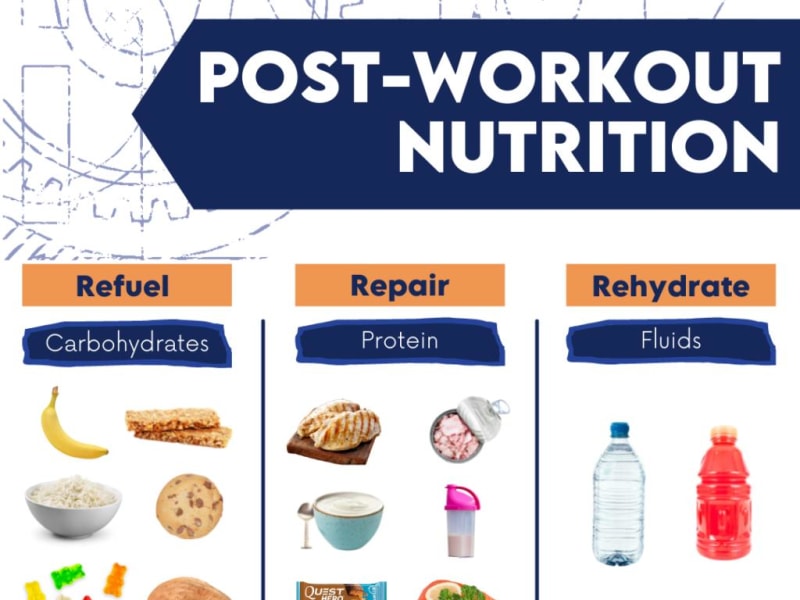
Pre- and post-workout nutrition are two of the most impactful yet frequently confused aspects of sports nutrition. The right foods at the right times can meaningfully improve performance, accelerate recovery, and maximise muscle adaptation — here's exactly what to eat and when.
April 14, 2026