

Emergency & Help
24/7 Emergency & General Advisory
🚨 24/7 Medical Emergency
Non-Emergency Advisory
10:00 AM – 6:00 PM, Mon–Sat
For appointments & general queries.
24/7 Emergency & General Advisory
🚨 24/7 Medical Emergency
Non-Emergency Advisory
10:00 AM – 6:00 PM, Mon–Sat
For appointments & general queries.
Discover the power of flavonoids, natural plant compounds found in colourful fruits, vegetables, and teas. Learn about their antioxidant and anti-inflammatory benefits, how they support heart health and reduce disease risk, and easy ways to include them in your Indian diet.
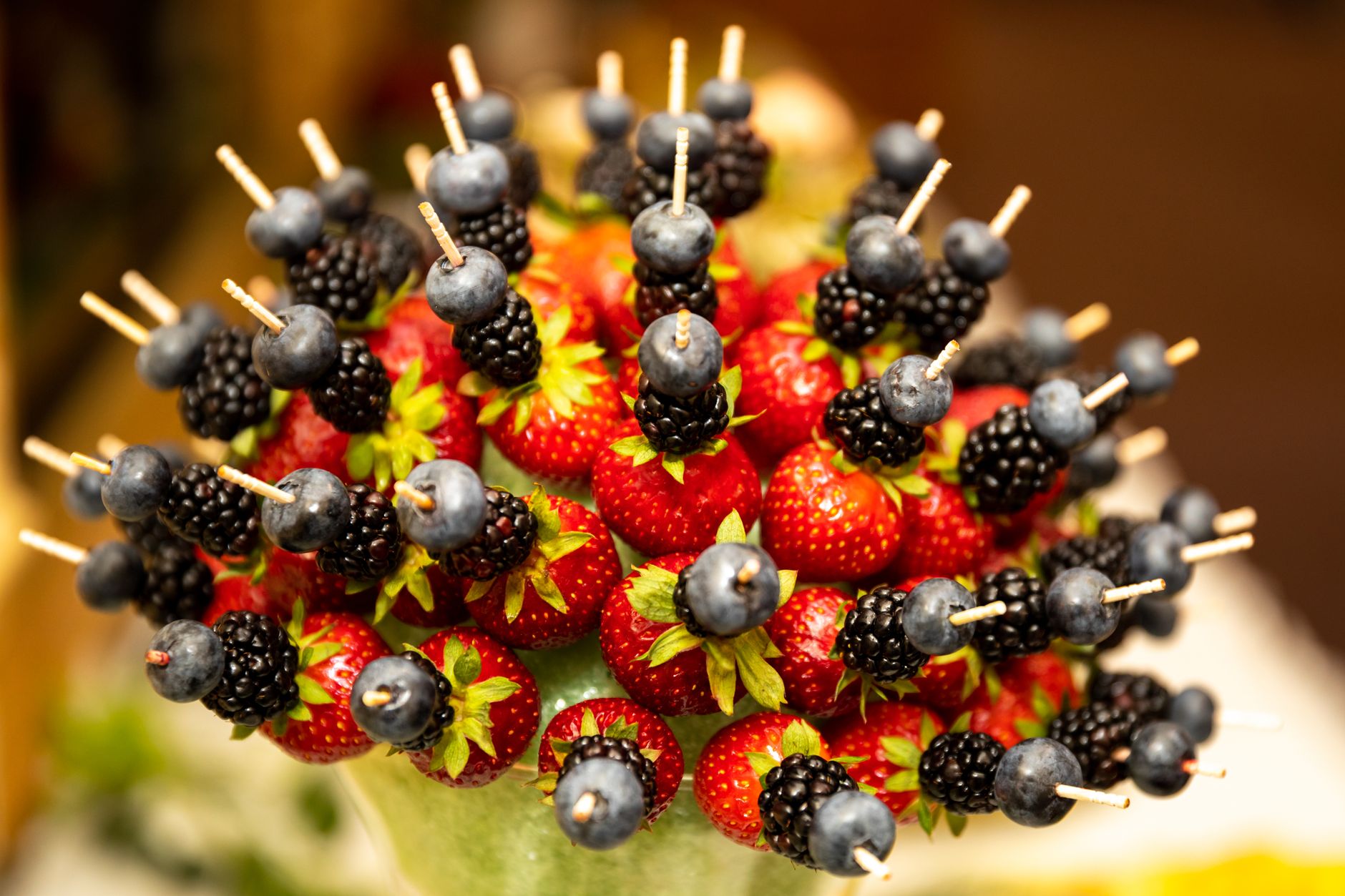
In our busy lives, we often look for simple ways to boost our health. We try to eat better, exercise more, and get enough sleep. But did you know that many common foods are packed with natural compounds that can significantly support your well-being? One such group of powerful plant compounds is called flavonoids. You've likely eaten them today without even realizing it!
Think about the vibrant colours in fruits and vegetables – the deep reds of berries, the sunny yellow of lemons, the rich green of spinach. These colours are often due to flavonoids. They are naturally found in a wide variety of plant-based foods, including fruits, vegetables, tea, wine, and even dark chocolate. While they sound scientific, their role in our bodies is remarkably straightforward: they act as tiny protectors, helping our bodies function better and defend against everyday challenges.
In India, where our diets are rich in diverse plant-based foods, we have a natural advantage in consuming these beneficial compounds. From the turmeric in our curries to the guava we enjoy as a snack, flavonoids are a delicious part of our culinary heritage. Understanding what they are and where to find them can empower you to make even healthier food choices.
Flavonoids are a large group of naturally occurring compounds found in plants. They are often referred to as phytochemicals, which simply means plant chemicals. There are thousands of different flavonoids, but they are typically categorized into six main subgroups based on their chemical structure and how our bodies process them:
Flavonoids are like the body's internal security system. They perform several vital functions:
1. Antioxidant Powerhouses: This is their most famous role. Our bodies are constantly exposed to harmful molecules called free radicals. These are unstable molecules that can damage cells, a process known as oxidative stress. Oxidative stress is linked to aging and many chronic diseases. Flavonoids are excellent antioxidants, meaning they can neutralize these free radicals, protecting your cells from damage. Imagine them as tiny shields for your body's cells.
2. Fighting Inflammation: Inflammation is your body's natural response to injury or infection. However, chronic, long-term inflammation can contribute to various health problems. Flavonoids can help calm down excessive inflammation, potentially reducing the symptoms associated with it.
3. Supporting Cellular Function: Flavonoids help regulate how your cells work. They ensure that your body's processes run smoothly and efficiently.
4. Promoting Heart Health: Research suggests that a diet rich in flavonoids may help lower blood pressure and reduce the risk of heart attacks and strokes. Some specific subtypes have shown a demonstrable effect in managing high blood pressure.
5. Potentially Reducing Chronic Disease Risk: Studies indicate that consuming foods high in flavonoids might be associated with a lower risk of developing conditions like type 2 diabetes. While more research is needed, the link is promising.
Consider a scenario: Mr. Sharma, a 55-year-old office worker, was recently diagnosed with borderline high blood pressure. His doctor advised him to make lifestyle changes, including diet. He started incorporating more berries, leafy greens like spinach, and a cup of green tea daily, alongside his regular dal and roti. Within a few months, his blood pressure readings showed improvement, and he felt more energetic.
The good news is that incorporating more flavonoids into your diet is delicious and easy, especially with the variety of foods available in India. Here are some excellent sources:
When you choose colourful fruits and vegetables, you are naturally choosing foods rich in beneficial flavonoids. Think about adding a handful of berries to your morning oats, a side salad with your lunch, or a cup of herbal tea in the evening.
The potential health benefits of flavonoids are extensive:
While flavonoids are not a magic cure, making them a regular part of your diet is a proactive step towards long-term health. They work synergistically with other nutrients in whole foods to support your body's natural defences.
While flavonoids are generally safe and beneficial when obtained from food, it's always wise to consult a healthcare professional in specific situations:
A doctor or a registered dietitian can provide personalized advice based on your individual health needs and medical history.
No, flavonoids are not vitamins. Vitamins are essential nutrients that our bodies cannot produce and must be obtained from the diet. Flavonoids are phytochemicals, or plant compounds, that offer health benefits but are not considered essential nutrients in the same way vitamins are. However, they play a significant role in maintaining good health.
Yes, absolutely! For most people, consuming a varied diet rich in fruits, vegetables, whole grains, and other plant-based foods will provide an adequate intake of flavonoids. Supplements are generally not necessary unless advised by a healthcare professional.
When consumed as part of a balanced diet, flavonoids are very safe. Excessive intake through supplements, however, could potentially lead to side effects or interact with medications. It's always best to prioritize whole foods for your flavonoid intake.
Some flavonoids, particularly flavanones found in citrus fruits, may play a role in weight management and improving cholesterol levels. However, flavonoids are not a standalone solution for weight loss. They work best as part of a healthy diet and active lifestyle.
Visit Hospital
Near You
Everything you need to know about appendix surgery in Garden Reach, from symptoms to recovery. Expert insights for informed decisions.
May 19, 2026
Explore advanced oral cancer treatment options available in Bardhaman. Understand diagnosis, therapies, and support for patients.
May 19, 2026
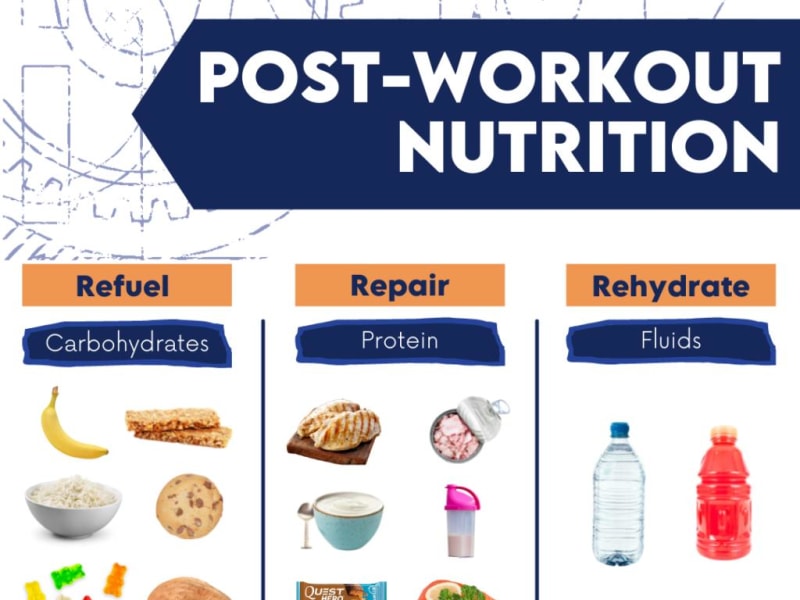
Pre- and post-workout nutrition are two of the most impactful yet frequently confused aspects of sports nutrition. The right foods at the right times can meaningfully improve performance, accelerate recovery, and maximise muscle adaptation — here's exactly what to eat and when.
April 14, 2026