

Emergency & Help
24/7 Emergency & General Advisory
🚨 24/7 Medical Emergency
Non-Emergency Advisory
10:00 AM – 6:00 PM, Mon–Sat
For appointments & general queries.
24/7 Emergency & General Advisory
🚨 24/7 Medical Emergency
Non-Emergency Advisory
10:00 AM – 6:00 PM, Mon–Sat
For appointments & general queries.
Explore the science behind green coffee beans, their potential benefits for weight loss and health, and safety considerations for Indian readers.

Have you heard about green coffee? It seems like everywhere you turn, there's talk of its amazing benefits, especially for weight loss. But what exactly is green coffee, and does it live up to the hype? Let's explore the science behind these unroasted beans and find out if they're a healthy addition to your routine.
Green coffee beans are simply the unroasted seeds of the Coffea arabica plant, the same plant that gives us our beloved roasted coffee. The roasting process, which is so familiar to coffee lovers, significantly alters the chemical composition of the beans. This includes reducing the levels of certain beneficial compounds, like chlorogenic acids, and developing the rich flavour and aroma we associate with regular coffee. Green coffee beans, on the other hand, retain higher concentrations of these chlorogenic acids. Think of it as the raw ingredient before it goes through the flavour-enhancing, but also chemistry-altering, roasting stage.
The excitement around green coffee largely stems from its rich chlorogenic acid content. These compounds are believed to offer several health advantages:
This is perhaps the most talked-about benefit. Chlorogenic acids are thought to influence how the body uses glucose and metabolizes fat. Some studies suggest that these compounds may help slow down the absorption of carbohydrates in the digestive tract, thus reducing blood sugar spikes after meals. Additionally, they might play a role in boosting metabolism and increasing fat burning. While promising, it's important to remember that these effects are often modest and work best as part of a broader healthy lifestyle.
Real-life scenario: Priya, a busy working mother, was struggling to lose the extra weight she had gained. She started incorporating green coffee extract into her daily routine alongside a balanced diet and regular walks. While she didn't see drastic changes overnight, she noticed a gradual improvement in her energy levels and a slight ease in managing her cravings, contributing to her overall weight loss journey.
Green coffee beans are packed with antioxidants, which are vital for protecting your cells from damage caused by free radicals. Free radicals are unstable molecules that can contribute to aging and various chronic diseases. The antioxidants found in green coffee, primarily chlorogenic acids, help neutralize these harmful molecules, offering a protective effect on your body.
As mentioned earlier, chlorogenic acids can impact how your body handles sugar. By potentially slowing carbohydrate absorption and improving insulin sensitivity, green coffee might help maintain more stable blood sugar levels. This is particularly relevant for individuals looking for natural ways to support their metabolic health, though it should never replace prescribed diabetes management.
Some research indicates that green coffee consumption might have a positive impact on cardiovascular health. It has been linked to reductions in blood pressure and improvements in cholesterol levels, two key factors in maintaining a healthy heart. However, more extensive studies are needed to confirm these effects conclusively.
The main difference lies in the chlorogenic acid content. Roasting significantly reduces these compounds. While roasted coffee offers its own set of benefits, including alertness and mood enhancement due to caffeine, green coffee stands out for its higher concentration of chlorogenic acids, making it a different kind of health supplement.
Green coffee is typically available in two main forms:
When choosing an extract, look for products that are standardized for chlorogenic acid content to ensure you're getting a consistent dose.
Green coffee is generally considered safe for most adults when taken in recommended amounts. However, like any supplement, it can have side effects, primarily related to its caffeine content:
Always start with a lower dose to see how your body reacts. If you have any pre-existing health conditions, especially heart problems, high blood pressure, or diabetes, consult your doctor before starting green coffee.
It's wise to speak with your healthcare provider before starting green coffee if you:
Your doctor can help you understand if green coffee is appropriate for you and advise on safe usage.
Green coffee offers potential health benefits, particularly related to weight management and antioxidant support, thanks to its high chlorogenic acid content. However, it's not a magic bullet. For significant results, especially in weight loss, it needs to be combined with a healthy diet and regular exercise. Think of it as a potential helper, not a standalone solution. Always prioritize a holistic approach to health and consult with a healthcare professional to make informed decisions about incorporating supplements into your lifestyle.
No, green coffee has a much milder, more earthy or grassy flavour and lacks the roasted aroma of regular coffee. Many people find the taste less appealing.
Results vary greatly among individuals. While some may notice subtle changes in energy or appetite within a few weeks, significant weight loss is unlikely without dietary changes and exercise. It is not a rapid solution.
Green coffee does contain caffeine, though typically less than roasted coffee. If you are very sensitive to caffeine, you may still experience side effects like jitters or sleep disturbances. Consider a decaffeinated extract or consult your doctor.
While generally considered safe for short-term use in recommended doses, the long-term safety of green coffee extract isn't extensively studied. It's advisable to use it periodically and under medical guidance, especially if you have underlying health conditions.
Visit Hospital
Near You
Everything you need to know about appendix surgery in Garden Reach, from symptoms to recovery. Expert insights for informed decisions.
May 19, 2026
Explore advanced oral cancer treatment options available in Bardhaman. Understand diagnosis, therapies, and support for patients.
May 19, 2026
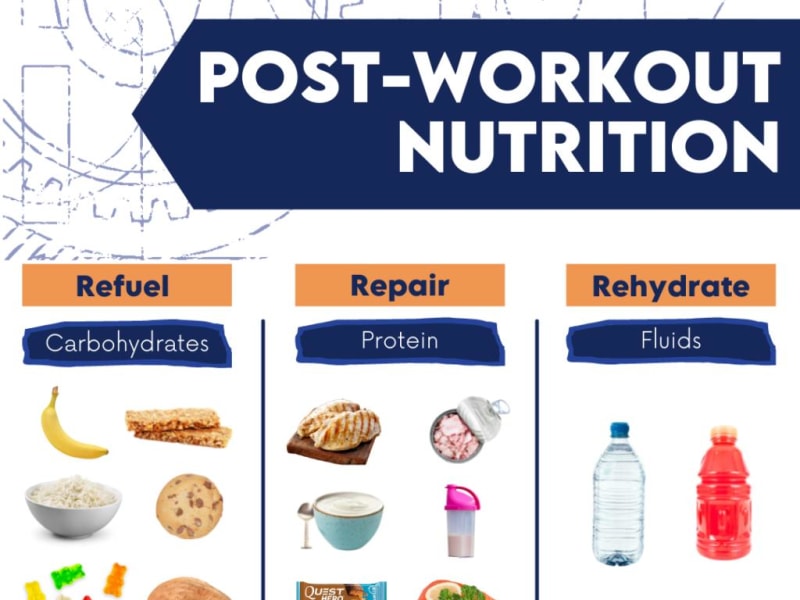
Pre- and post-workout nutrition are two of the most impactful yet frequently confused aspects of sports nutrition. The right foods at the right times can meaningfully improve performance, accelerate recovery, and maximise muscle adaptation — here's exactly what to eat and when.
April 14, 2026