

Emergency & Help
24/7 Emergency & General Advisory
🚨 24/7 Medical Emergency
Non-Emergency Advisory
10:00 AM – 6:00 PM, Mon–Sat
For appointments & general queries.
24/7 Emergency & General Advisory
🚨 24/7 Medical Emergency
Non-Emergency Advisory
10:00 AM – 6:00 PM, Mon–Sat
For appointments & general queries.
Discover the surprisingly quick journey water takes through your body after you drink it. Learn how fast it's absorbed and eliminated compared to food and other liquids.

Have you ever wondered what happens to that glass of water you just downed? Does it linger, or does it zip through your system like a express train? We all know hydration is key to good health, but the journey water takes inside us is often a mystery. Let's unravel the speed and science behind how quickly your body processes this essential liquid. It’s a fascinating process, far quicker than you might imagine, especially when compared to the leisurely pace of solid food digestion.
Unlike the complex breakdown required for food, water’s journey is remarkably streamlined. Think of it this way: your body doesn't need to extract nutrients or break down complex molecules from water. Its primary job is to absorb it rapidly and use it where needed, or to eliminate what’s not required. This efficiency is why hydration can have such immediate effects, and why you might need to visit the restroom sooner than you expect after a large drink!
Once you take a sip, water doesn’t hang around in your stomach for long. It bypasses much of the lengthy digestive machinery that solids require. Here’s a glimpse into its rapid transit:
This swift absorption is why staying hydrated is so responsive. Feeling thirsty? A glass of water can start quenching that thirst and rehydrating your cells in a matter of minutes, not hours.
You might think all liquids are treated the same, but your body has a different approach for plain water compared to other beverages. Why the difference? It all comes down to what else is in the liquid:
So, while your morning cup of chai or coffee might feel like just liquid, the added components mean it’s not absorbed as instantaneously as pure water.
This is where the difference becomes truly stark. The journey of solid food through your digestive system is a marathon, while water's is a sprint.
Consider eating a simple meal, say, rice and dal. Your mouth starts the process, breaking down the food mechanically. It travels down the esophagus, enters the stomach where acids and enzymes begin their work. Then, it moves to the small intestine for nutrient absorption. Finally, the remaining undigested material reaches the large intestine, where water is absorbed, and the waste forms stool. This entire process can take anywhere from 24 to 72 hours for food to fully pass through your system.
In contrast, water can be absorbed and its excess eliminated within a much shorter timeframe. While the total transit time for water might be debated in terms of when the *last* molecule exits, its vital absorption and initial processing happen within minutes to an hour. The excess water? It’s on its way out via urine or sweat relatively quickly.
It's important to remember that
This section adds practical context and preventive advice to help readers make informed healthcare decisions. It is important to verify symptoms early, consult qualified doctors, and avoid self-medication for persistent health issues.
Maintaining healthy routines, following prescribed treatment plans, and attending regular checkups can improve outcomes. If symptoms worsen or red-flag signs appear, immediate medical evaluation is recommended.
Track symptoms and duration.
Follow diagnosis and treatment from a licensed practitioner.
Review medication side effects with your doctor.
Seek urgent care for severe warning signs.
Visit Hospital
Near You
Everything you need to know about appendix surgery in Garden Reach, from symptoms to recovery. Expert insights for informed decisions.
May 19, 2026
Explore advanced oral cancer treatment options available in Bardhaman. Understand diagnosis, therapies, and support for patients.
May 19, 2026
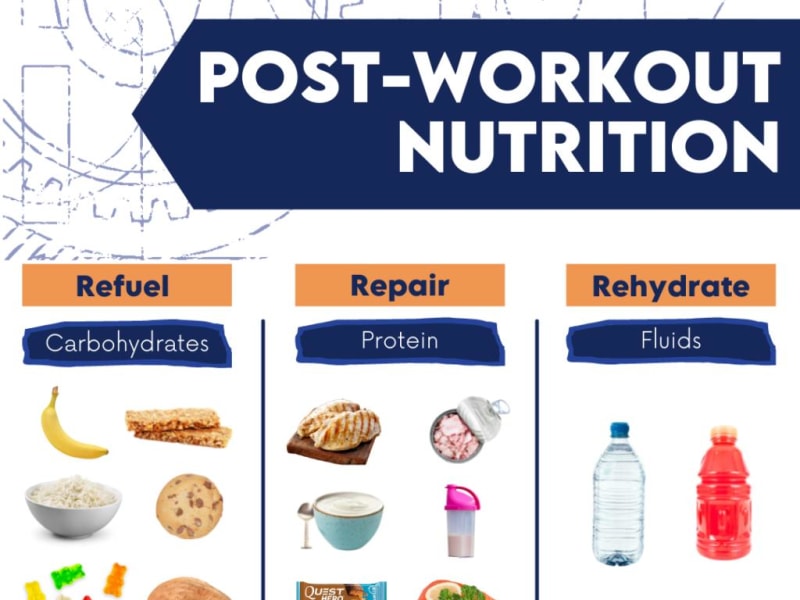
Pre- and post-workout nutrition are two of the most impactful yet frequently confused aspects of sports nutrition. The right foods at the right times can meaningfully improve performance, accelerate recovery, and maximise muscle adaptation — here's exactly what to eat and when.
April 14, 2026