

Emergency & Help
24/7 Emergency & General Advisory
🚨 24/7 Medical Emergency
Non-Emergency Advisory
10:00 AM – 6:00 PM, Mon–Sat
For appointments & general queries.
24/7 Emergency & General Advisory
🚨 24/7 Medical Emergency
Non-Emergency Advisory
10:00 AM – 6:00 PM, Mon–Sat
For appointments & general queries.
Explore the potential benefits and risks of liquid chlorophyll supplements. Learn about skin health, weight management, and more from a health SEO perspective.
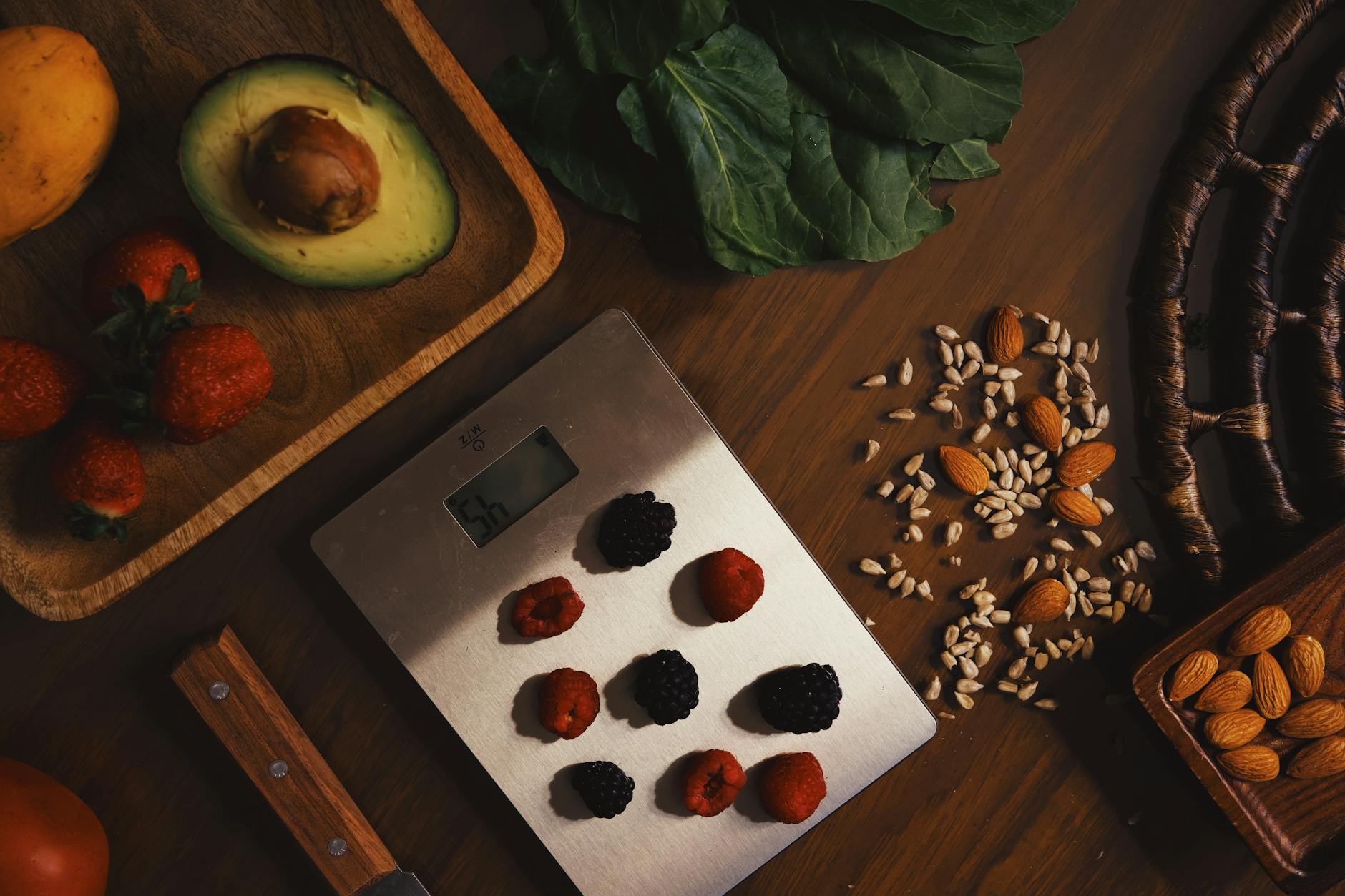
Have you seen those vibrant green drinks popping up on social media, promising everything from clearer skin to weight loss? They often feature liquid chlorophyll, a substance that gives plants their characteristic green hue. But what exactly is chlorophyll, and can it really deliver on these impressive health claims? Let's dive into the science behind this popular supplement and explore its potential benefits, risks, and what you need to know before you start sipping.
Chlorophyll is a natural pigment found in plants, algae, and cyanobacteria. Its primary role is to absorb sunlight, which plants use to convert carbon dioxide and water into oxygen and energy through a process called photosynthesis. Think of it as the plant's way of harnessing solar power to grow and thrive. While we get chlorophyll from eating leafy green vegetables, supplements often contain a derivative called chlorophyllin. Chlorophyllin is chemically similar to chlorophyll but contains copper instead of magnesium, which helps it survive digestion and be absorbed into the bloodstream. This is why chlorophyllin supplements are often detected in blood plasma, suggesting absorption has occurred.
The buzz around chlorophyll supplements isn't entirely without some scientific backing, though many studies are small or preliminary. Researchers are exploring several potential health advantages:
One of the most frequently cited benefits of chlorophyll is its potential to improve skin health. Early research, including a 2015 pilot study involving 10 participants with acne and large pores, showed improvements in skin condition after using a topical chlorophyllin gel for three weeks. Another small study from the same year found that using topical chlorophyllin for eight weeks helped improve skin damaged by the sun. Furthermore, some studies on wound care have looked at ointments containing chlorophyllin. While individual studies suggested these ointments were effective, reviewers emphasize the need for larger, more controlled studies to confirm these findings. This research suggests that chlorophyllin might help reduce inflammation and bacterial growth, potentially aiding in skin healing.
The antioxidant properties of chlorophyll have led researchers to investigate its role in cancer prevention and treatment. A 2018 study examined how chlorophyll affects the growth of pancreatic cancer cells. More recently, a 2023 review of research noted that chlorophyll might offer benefits for various types of cancer. However, it's crucial to understand that these are areas of ongoing research, and chlorophyll is not a standalone cancer treatment. Any discussions about using supplements alongside conventional cancer therapies must involve a qualified oncologist.
Some studies suggest chlorophyll could play a role in weight loss efforts. A 2014 study with 38 female participants found that those who took a green plant membrane supplement containing chlorophyll daily experienced greater weight loss compared to those who did not. The exact mechanism isn't fully understood, but it's theorized that chlorophyll might influence appetite or fat metabolism. However, research in this area is still developing, and more robust studies are needed to confirm these effects. A 2019 feasibility study also highlighted that adherence to diets incorporating more green vegetables (and thus chlorophyll) can be challenging for some individuals, meeting guidelines only about 73.2% of the time.
Chlorophyllin has been used since the 1940s to help neutralize certain odors. While this application has a long history, the supporting studies are quite old, and the results are mixed. Modern research in this area is limited.
A 2004 pilot study offered a glimmer of hope for individuals with thalassemia, a blood disorder. The study suggested that wheatgrass, which is rich in chlorophyll (around 70%), might reduce the number of blood transfusions needed. It's important to note that the study authors did not definitively conclude that chlorophyll itself was the sole reason for this potential benefit. Wheatgrass also contains iron, which is vital for red blood cell production and could be beneficial for those with iron deficiency anemia.
You can get chlorophyll naturally from foods or through supplements. Supplements are often considered more effective because chlorophyll might not survive the digestive process long enough to be fully absorbed from whole foods.
The best way to get chlorophyll naturally is by eating plenty of leafy green vegetables. Think:
While these foods are packed with chlorophyll and other essential nutrients, the concentration might be lower than what you'd find in a supplement.
Chlorophyll supplements come in various forms, including liquid drops, capsules, and tablets. Liquid chlorophyll is particularly popular. When choosing a supplement, look for reputable brands and check the dosage. The average daily dosage of chlorophyllin supplements in some studies has ranged from 100 to 300 milligrams (mg), usually divided into three doses. Always follow the product's recommended dosage or consult with a healthcare provider.
While generally considered safe for most people when consumed in typical amounts from food or as directed in supplements, chlorophyll can have side effects. It's important to be aware of these before you start taking it:
A Real-Life Scenario: Priya started taking liquid chlorophyll hoping for clearer skin. After a week, she noticed her skin did seem a bit brighter, but she also developed mild stomach cramps and found herself getting sunburned more easily, even with sunscreen. She decided to reduce her dose and increase her sunscreen application, which helped manage the side effects while still enjoying some perceived benefits.
Before you start taking chlorophyll supplements, especially if you have any pre-existing health conditions or are taking medications, it's wise to speak with your doctor or a registered dietitian. They can help you understand if chlorophyll is appropriate for you, advise on the correct dosage, and discuss potential interactions. It is especially important to consult a healthcare professional if you are:
Liquid chlorophyll and its derivative, chlorophyllin, show promise in preliminary studies for various health benefits, including skin health, potential cancer support, and weight management. However, much of the research is still in its early stages, and larger, high-quality studies are needed to confirm these effects. While chlorophyll is abundant in healthy green foods and generally safe as a supplement when used responsibly, it's not a magic bullet. Always prioritize a balanced diet rich in whole foods and consult with a healthcare professional before adding any new supplement to your routine. Your health journey is unique, and personalized advice is key to making informed decisions.
Q1: Is liquid chlorophyll safe for everyone?
For most people, chlorophyll from food is safe. Chlorophyllin supplements are generally considered safe when taken as directed, but some may experience digestive upset or increased sun sensitivity. Always consult your doctor if you have health conditions or are on medication.
Q2: How quickly can I expect to see results from liquid chlorophyll?
Results vary greatly among individuals. Some might notice subtle changes in skin or energy levels within a few weeks, while others may not experience noticeable effects. The research supporting rapid results is limited.
Q3: Can liquid chlorophyll really help me lose weight?
Some studies suggest a potential link between chlorophyll and weight loss, but the evidence is not strong enough to make definitive claims. It should not be relied upon as a primary weight loss solution. A healthy diet and exercise are fundamental.
Q4: What is the difference between chlorophyll and chlorophyllin?
Chlorophyll is the natural pigment in plants. Chlorophyllin is a water-soluble derivative used in supplements, containing copper instead of magnesium. Chlorophyllin is generally better absorbed.
Q5: Can I get enough chlorophyll from just eating vegetables?
You can get chlorophyll from vegetables, and it's highly recommended for overall health. However, the concentration may be lower than in supplements, and absorption from food can be less efficient. Supplements provide a more concentrated dose.
Visit Hospital
Near You
Everything you need to know about appendix surgery in Garden Reach, from symptoms to recovery. Expert insights for informed decisions.
May 19, 2026
Explore advanced oral cancer treatment options available in Bardhaman. Understand diagnosis, therapies, and support for patients.
May 19, 2026
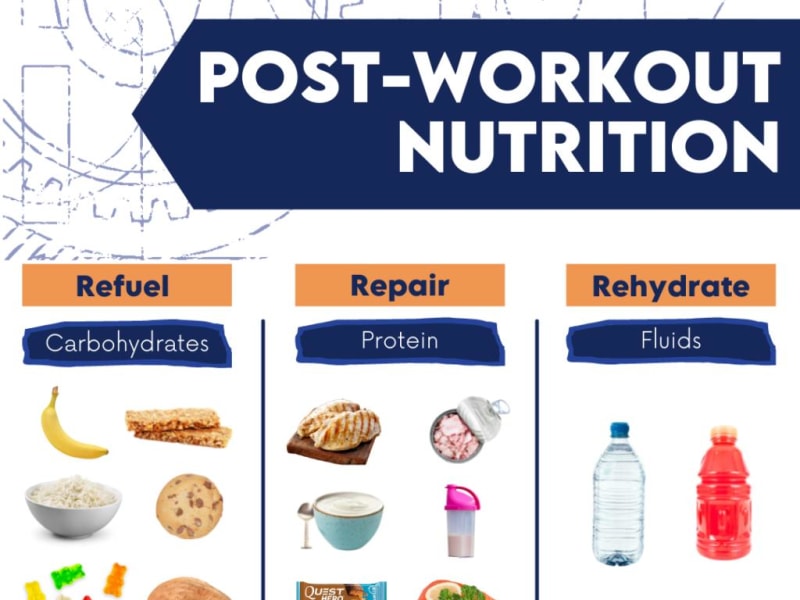
Pre- and post-workout nutrition are two of the most impactful yet frequently confused aspects of sports nutrition. The right foods at the right times can meaningfully improve performance, accelerate recovery, and maximise muscle adaptation — here's exactly what to eat and when.
April 14, 2026