

Emergency & Help
24/7 Emergency & General Advisory
🚨 24/7 Medical Emergency
Non-Emergency Advisory
10:00 AM – 6:00 PM, Mon–Sat
For appointments & general queries.
24/7 Emergency & General Advisory
🚨 24/7 Medical Emergency
Non-Emergency Advisory
10:00 AM – 6:00 PM, Mon–Sat
For appointments & general queries.
Discover the aromatic world of pandan, a Southeast Asian leaf celebrated for its unique flavour, vibrant colour, and potential health benefits ranging from antioxidant properties to digestive aid.

Pandan, often known as the 'vanilla of the East,' is an aromatic plant native to Southeast Asia. Its distinctive, sweet fragrance and vibrant green colour have made it a popular ingredient in many Asian cuisines, particularly in desserts and rice dishes. But beyond its culinary appeal, pandan leaves also hold a rich history of traditional medicinal uses and are being explored for their potential health benefits.
Pandan (Pandanus amaryllifolius) is a tropical plant characterised by its long, slender, green leaves. These leaves are the primary part used for flavouring and colouring food, though the roots and flowers have also been used in traditional medicine. The aroma of pandan is often described as similar to vanilla, with grassy and nutty undertones, making it a versatile addition to both sweet and savoury dishes.
For centuries, pandan has been a staple in traditional medicine across various Asian cultures. While modern scientific research is still exploring many of these claims, some of the traditionally recognised benefits include:
Pandan's versatility in the kitchen is one of its most celebrated aspects. Here are some common ways it's used:
The taste of pandan is subtle yet distinct. It's often compared to vanilla, but with a more grassy, slightly nutty, and floral complexity. It's not overpoweringly sweet but adds a fragrant depth that enhances other flavours in a dish. Think of it as an aromatic enhancer rather than a dominant flavour.
For most people, consuming pandan in culinary amounts is safe. However, as with any natural substance, there are a few things to keep in mind:
Starting with pandan is easy and delicious!
A common scenario in many Indian households might involve preparing a special festive rice dish. Instead of just plain basmati, a homemaker could tie a few pandan leaves into knots and add them to the rice while it's cooking. This simple step transforms the aroma and taste, making the meal feel more exotic and special for the family.
While pandan is generally safe for culinary use, you should consult a healthcare professional if:
Pandan is more than just a flavouring agent; it's a botanical treasure with a long history of use and emerging scientific interest in its health benefits. Its delightful aroma and flavour can elevate your cooking, and its potential health properties make it an ingredient worth exploring. Remember to use it mindfully, especially if you have underlying health conditions, and always consult your doctor when in doubt.
Pandan itself is very low in calories. When used to flavour dishes, it can potentially help reduce the need for sugar or artificial sweeteners, which could indirectly support weight management goals. However, it's not a magic bullet for weight loss.
While not typically eaten raw due to their fibrous nature, the flavour and aroma can be extracted by steeping them in hot water or by adding them to cooking. Eating them raw is not recommended.
Fresh or frozen pandan leaves, as well as pandan extract or powder, can often be found in Asian grocery stores or larger supermarkets with international food sections. Online retailers also carry these products.
Fresh pandan leaves can be stored in the refrigerator, wrapped in a damp paper towel inside a plastic bag, for up to a week. For longer storage, you can freeze them. Once thawed, they can be used as usual.
Visit Hospital
Near You
Everything you need to know about appendix surgery in Garden Reach, from symptoms to recovery. Expert insights for informed decisions.
May 19, 2026
Explore advanced oral cancer treatment options available in Bardhaman. Understand diagnosis, therapies, and support for patients.
May 19, 2026
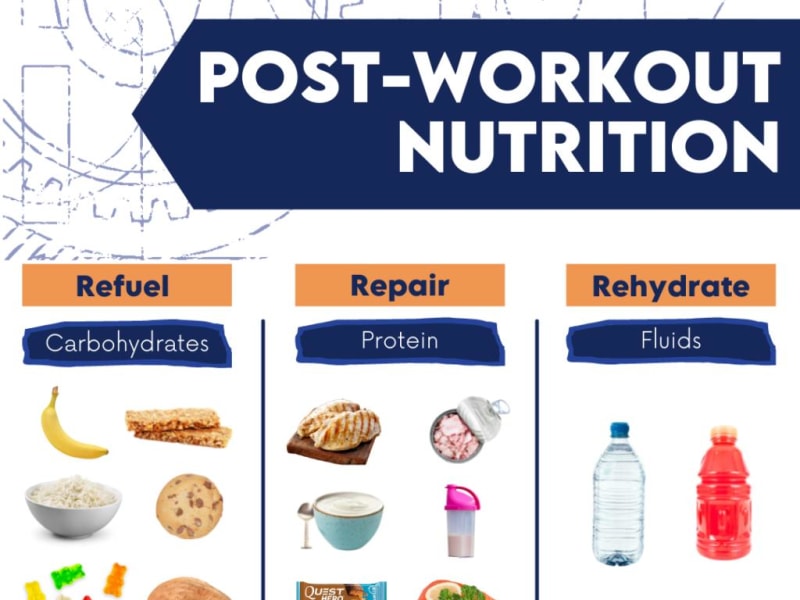
Pre- and post-workout nutrition are two of the most impactful yet frequently confused aspects of sports nutrition. The right foods at the right times can meaningfully improve performance, accelerate recovery, and maximise muscle adaptation — here's exactly what to eat and when.
April 14, 2026