

Emergency & Help
24/7 Emergency & General Advisory
🚨 24/7 Medical Emergency
Non-Emergency Advisory
10:00 AM – 6:00 PM, Mon–Sat
For appointments & general queries.
24/7 Emergency & General Advisory
🚨 24/7 Medical Emergency
Non-Emergency Advisory
10:00 AM – 6:00 PM, Mon–Sat
For appointments & general queries.
Explore the benefits of phosphatidylcholine, a vital nutrient found in foods like eggs and soy. Learn how it supports brain health, liver function, and may help with medication side effects and other conditions.
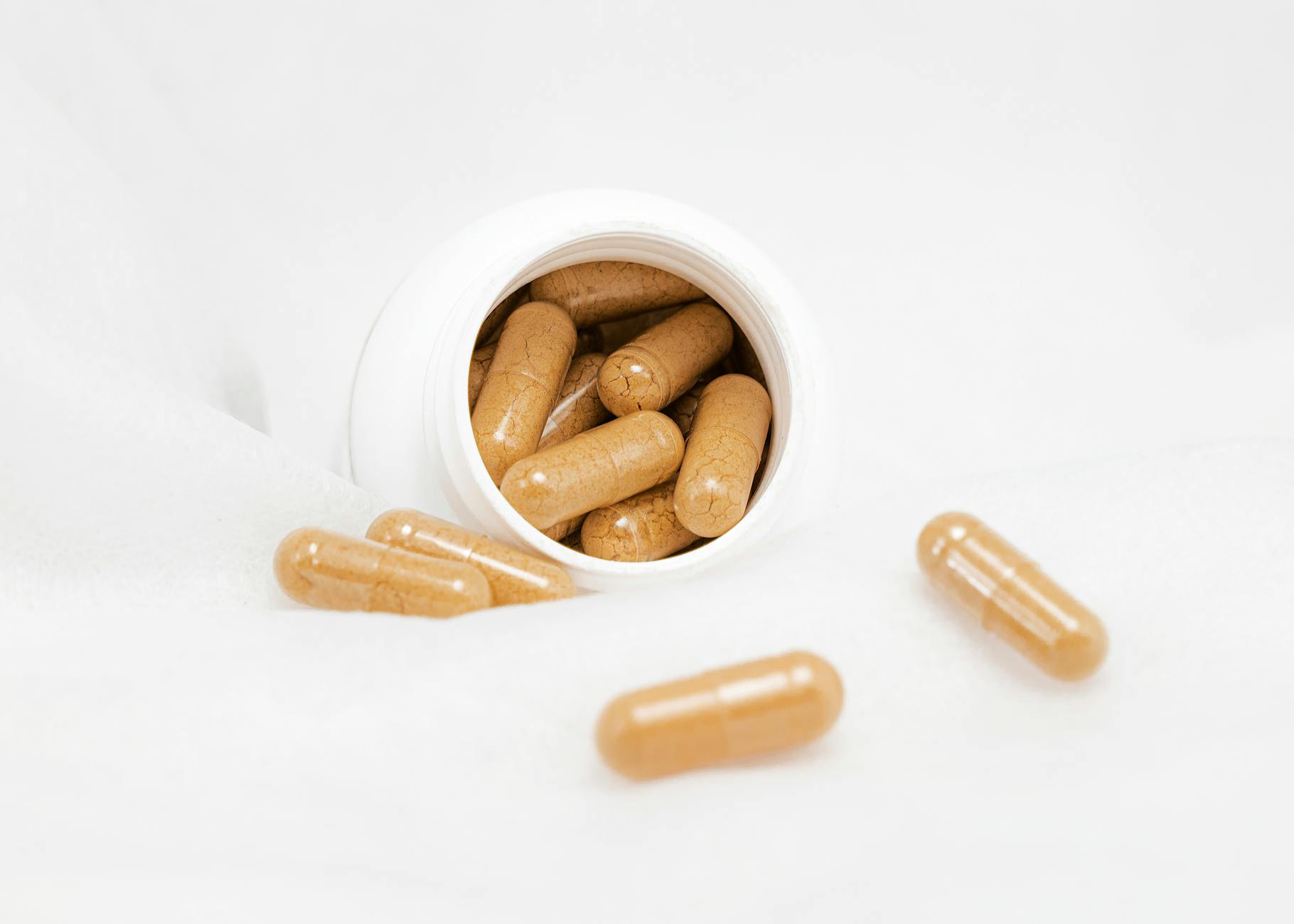
Phosphatidylcholine is a naturally occurring compound found in many foods we eat daily, such as eggs, red meat, and whole grains. It's a type of phospholipid, which is a crucial component of cell membranes. Think of it as a building block that helps keep your cells healthy and functioning properly. This nutrient is also available as a dietary supplement, often used to support brain health, aid in dissolving gallstones, and potentially offer other health advantages. While often used interchangeably with 'lecithin,' phosphatidylcholine is technically a component of lecithin, which is made up of phospholipids including phosphatidylcholine. Foods rich in lecithin are excellent dietary sources of phosphatidylcholine.
One of the most talked-about benefits of phosphatidylcholine is its potential to boost brain function. Research suggests a link between phosphatidylcholine levels and conditions like Alzheimer's disease. A 2022 study indicated that lower levels of phosphatidylcholine might be associated with Alzheimer's. Furthermore, studies in mice with dementia have shown that different forms of phosphatidylcholine could help protect the brain, prevent memory decline, and improve thinking abilities. While more human studies are needed to fully understand its impact on brain health, the initial findings are promising. Incorporating foods rich in phosphatidylcholine or considering supplements could be a strategy for supporting cognitive well-being.
Your liver plays a vital role in detoxification and metabolism. A diet high in fats can negatively impact liver health, potentially leading to conditions like nonalcoholic fatty liver disease (NAFLD) or cirrhosis. Phosphatidylcholine, particularly when rich in essential phospholipids, is recognized as a common treatment for fatty liver disease. A 2022 research review highlighted clinical evidence suggesting that this treatment can even help reverse the condition. Ensuring adequate intake of phosphatidylcholine can be a supportive measure for maintaining a healthy liver.
Certain medications, especially long-term use of nonsteroidal anti-inflammatory drugs (NSAIDs) like ibuprofen or naproxen, can cause significant gastrointestinal issues. These can range from stomach pain and bleeding to more severe intestinal damage. Phosphatidylcholine may offer a protective effect against these NSAID-induced gastrointestinal injuries. By potentially helping to maintain the integrity of the gastrointestinal tract's phospholipid layer, it could reduce the risk of side effects associated with these commonly used pain relievers.
Ulcerative colitis is a chronic inflammatory condition affecting the digestive tract. While some studies have shown that delayed-release phosphatidylcholine could improve the quality of life for individuals with UC, more recent research has yielded mixed results. A 2024 study focusing on a modified-release formulation was stopped early due to a lack of clear effectiveness in reducing UC symptoms. Therefore, while it may offer some benefit for some individuals, its role in managing UC requires further investigation.
Lipomas are non-cancerous fatty tumors that can sometimes cause discomfort. Some research suggests that injecting phosphatidylcholine directly into a lipoma can help break down and reduce the size of these fat cells. However, this is an area where more research is needed to confirm the long-term safety and efficacy of this treatment method.
Gallstones are hard deposits that form in the gallbladder, often composed of cholesterol or bilirubin. If left untreated, they can cause severe pain and complications. Phosphatidylcholine is known to be a component of bile and plays a role in fat digestion. Some evidence suggests that phosphatidylcholine supplements might help in dissolving certain types of gallstones, particularly those made of cholesterol. However, this should be discussed with a healthcare professional as it's not a primary treatment for all types of gallstones.
The best way to get phosphatidylcholine is through your diet. Excellent sources include:
These foods provide phosphatidylcholine as part of a complex nutrient profile, offering synergistic health benefits.
When choosing a phosphatidylcholine supplement, it's important to be aware that the supplement industry is not as strictly regulated as pharmaceuticals. This means product quality can vary significantly. It's advisable to:
While phosphatidylcholine is generally considered safe when obtained from food sources, it's always wise to consult a healthcare professional before starting any new supplement, especially if you:
A doctor can provide personalized advice based on your health status and ensure that phosphatidylcholine is a safe and effective option for you.
Disclaimer: This information is for educational purposes only and does not constitute medical advice. Always consult with a qualified healthcare provider for any health concerns or before making any decisions related to your health or treatment.
Visit Hospital
Near You
Everything you need to know about appendix surgery in Garden Reach, from symptoms to recovery. Expert insights for informed decisions.
May 19, 2026
Explore advanced oral cancer treatment options available in Bardhaman. Understand diagnosis, therapies, and support for patients.
May 19, 2026
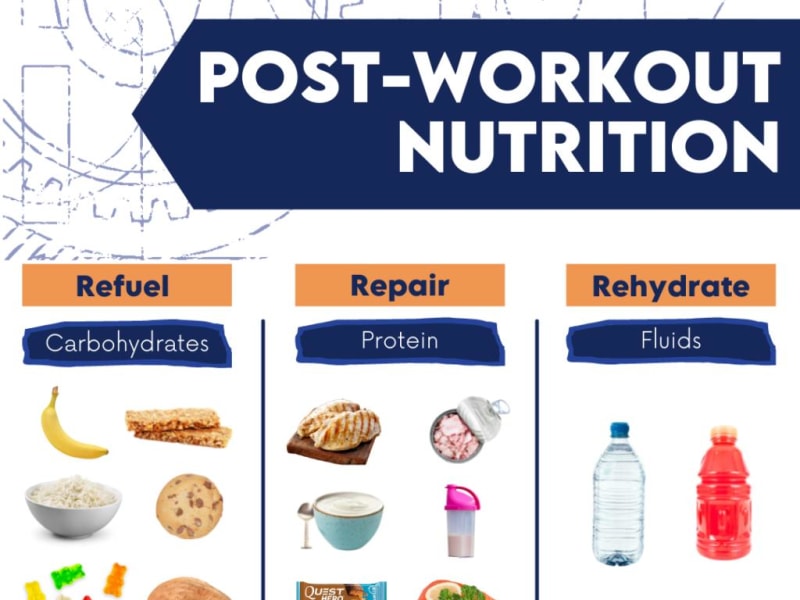
Pre- and post-workout nutrition are two of the most impactful yet frequently confused aspects of sports nutrition. The right foods at the right times can meaningfully improve performance, accelerate recovery, and maximise muscle adaptation — here's exactly what to eat and when.
April 14, 2026