

Emergency & Help
24/7 Emergency & General Advisory
🚨 24/7 Medical Emergency
Non-Emergency Advisory
10:00 AM – 6:00 PM, Mon–Sat
For appointments & general queries.
24/7 Emergency & General Advisory
🚨 24/7 Medical Emergency
Non-Emergency Advisory
10:00 AM – 6:00 PM, Mon–Sat
For appointments & general queries.
Discover squalane, a natural antioxidant that mimics your skin's own oils. Learn how this plant-derived ingredient can hydrate skin and hair, fight signs of aging, and soothe inflammation.

Have you ever noticed your skin feeling drier and less supple as you get older? It’s a common experience, and often, it’s because your body’s natural production of a key moisturizing agent starts to slow down. This wonder ingredient is called squalene, and its stable form, squalane, is a powerhouse for both skin and hair. Let’s explore what squalane is, where it comes from, and how it can become a vital part of your daily wellness routine. Understanding Squalane: Nature's Moisturizer Your skin has a remarkable built-in system to keep itself hydrated. This system relies on a lipid naturally produced by your skin cells called squalene (notice the ‘e’ at the end). Squalene acts as an excellent emollient, meaning it helps to soften and smooth the skin. However, the production of squalene naturally peaks in our teenage years and begins to decline in our 20s and 30s. As this happens, your skin can start to feel drier, rougher, and show signs of aging more readily. Fortunately, science has found a way to harness the benefits of squalene for skincare. While squalene itself is unstable and can quickly become rancid when exposed to oxygen, it can be converted into a more stable form called squalane (with an ‘a’). This conversion process, known as hydrogenation, makes the oil suitable for use in cosmetic products and significantly increases its shelf life. This stable squalane is what you’ll find in many moisturizers, serums, and hair care products. Where Does Squalane Come From? Historically, squalene was primarily sourced from shark livers. However, concerns about sustainability and ethical practices have led to a significant shift towards plant-derived sources. Today, you can find squalane derived from a variety of plants, including: Olives: A very common and sustainable source. Rice bran: Another abundant and renewable source. Amaranth: Known for its nutritional benefits, it also yields squalane. Wheat germ: Provides a valuable source of squalane. When you’re choosing squalane products, it’s always best to look for those explicitly labeled as 100% plant-derived . This ensures your product is cruelty-free and supports sustainable sourcing practices. Plant-derived squalane offers all the benefits without the ethical concerns associated with animal sources. The Remarkable Benefits of Squalane for Your Skin When applied topically, squalane integrates seamlessly with your skin’s natural oils, providing a wealth of benefits. Its lightweight texture allows it to absorb easily without leaving a greasy residue, making it an excellent choice for most skin types, even those prone to oiliness. Deep Hydration for Radiant Skin One of squalane’s primary benefits is its ability to boost hydration. Hydrated skin looks and feels healthier, appearing more vibrant and plump. By replenishing the skin’s moisture barrier, squalane helps to prevent water loss, keeping your skin feeling comfortable and supple throughout the day. Imagine stepping out on a dry winter morning; squalane helps your skin maintain its moisture even in challenging conditions. Antioxidant Powerhouse Squalane is also a natural antioxidant. This means it helps to protect your skin from damage caused by free radicals. Free radicals are unstable molecules generated by environmental factors like pollution and UV radiation, and they can accelerate the aging process, leading to wrinkles and loss of firmness. By neutralizing these harmful molecules, squalane helps to safeguard your skin and maintain a more youthful appearance. Fighting Signs of Aging Research suggests that squalane can play a role in combating the visible signs of aging. Its antioxidant properties help protect against damage that contributes to premature aging. Furthermore, regular use of squalane may even boost collagen production. Collagen is the protein responsible for your skin’s firmness and elasticity. Increased collagen can lead to noticeably firmer and smoother skin over time. Soothing Inflammation and Supporting Healing Squalane possesses anti-inflammatory properties, making it beneficial for calming irritated skin. It can help soothe redness and discomfort associated with various inflammatory skin conditions. Its ability to support tissue repair also means it can aid in the healing process of minor skin irritations. For someone experiencing a sudden patch of dry, red skin after using a new product, squalane can offer much-needed relief. Non-Comedogenic and Suitable for All Skin Types One of the most significant advantages of squalane is its compatibility with virtually all skin types. Despite being an oil, it is noncomedogenic, meaning it is unlikely to clog your pores. This is a critical factor for individuals prone to acne or breakouts. It penetrates the skin effectively without feeling heavy or greasy, providing hydration at a cellular level. Squalane for Healthy, Lustrous Hair The benefits of squalane extend beyond the skin to your hair. Hair, like skin, has natural oils that keep it healthy and hydrated. However, factors such as heat styling, environmental damage, and even diet can strip these natural oils, leaving hair dry, dull, and prone to breakage. Moisturizing Strands Squalane can help replenish lost moisture in your hair, smoothing the hair cuticle and increasing shine. By hydrating the hair shaft, it helps to reduce frizz and makes hair appear healthier and more manageable. A few drops massaged into damp hair can make a noticeable difference in its texture and appearance. Preventing Breakage and Promoting Shine Well-moisturized hair is less likely to break. Squalane’s ability to condition and smooth the hair strands can reduce the risk of split ends and breakage, especially when combined with heat styling or brushing. The result is hair that not only feels softer but also looks shinier and healthier. Potential for Hair Regrowth? While research is still ongoing, there is some preliminary evidence suggesting that squalane might play a role in supporting hair regrowth. More studies are needed to confirm these findings, but it adds another layer of potential benefit to this versatile ingredient. How to Incorporate Squalane into Your Routine Adding squalane to your daily regimen is straightforward. Look for pure squalane oil or products that list squalane as a primary ingredient. For Your Skin: Cleansing is Key: Before applying any new product, ensure your skin is clean. Use a gentle cleanser to remove impurities, dead skin cells, and excess oil that could potentially clog pores. Consider exfoliating once or twice a week to keep your pores clear. Application: Apply a few drops of pure squalane oil to your fingertips and gently pat or massage it onto your face and neck after cleansing and toning, but before applying heavier creams or sunscreen. It can be used both morning and night. Product Integration: Squalane is often found in moisturizers, serums, and facial oils. Choose products based on your skin type and concerns. For Your Hair: Pre-Shampoo Treatment: Apply a small amount of squalane oil to dry hair, focusing on the mid-lengths and ends, about 30 minutes before washing. Leave-In Conditioner: After washing and towel-drying your hair, apply a drop or two to the ends to add moisture and shine. Scalp Massage: For a more intensive treatment, you can gently massage a small amount into your scalp, especially if you experience dryness. Rinse-In Moisture: As mentioned in the source, placing a few drops in your palm and massaging into hair before rinsing in the shower can also boost moisture. Potential Risks and Considerations While squalane is generally considered safe and well-tolerated, like any skincare or haircare ingredient, there's always a small possibility of experiencing irritation or an allergic reaction. This is more common if you have very sensitive skin or specific allergies. Always perform a patch test on a small, inconspicuous area of your skin (like behind the ear or on the inner forearm) before applying a new product liberally. It’s also important to remember that while squalane itself won't clog pores, your skin can still experience congestion from dead skin cells, natural oils, and bacteria. Maintaining a consistent cleansing and exfoliating routine is essential for optimal skin health, even when using beneficial ingredients like squalane. Frequently Asked Questions About Squalane Q1: Is squalane the same as squalene? No, they are different. Squalene (with an ‘e’) is the natural lipid produced by your skin, but it’s unstable. Squalane (with an ‘a’) is the stable, hydrogenated form of squalene, making it suitable for skincare and haircare products. Q2: Can I use squalane if I have oily or acne-prone skin? Yes, absolutely! Squalane is lightweight and noncomedogenic, meaning it’s unlikely to clog pores. It helps balance oil production and hydrate the skin without feeling greasy, making it a good choice even for oily and acne-prone complexions. Q3: How quickly will I see results from using squalane? Many people notice an immediate improvement in skin hydration and softness. More significant benefits, such as reduced appearance of fine lines and improved skin firmness due to potential collagen support, may take several weeks of consistent use to become apparent. Q4: Is squalane vegan? Squalane derived from plant sources like olives or sugarcane is vegan. Historically, squalene was sourced from shark liver, but the industry has largely shifted to plant-based alternatives. Always check product labels to ensure it’s 100% plant-derived if vegan is a priority for you. In summary, squalane offers a powerful yet gentle
In summary, timely diagnosis, evidence-based treatment, and prevention-focused care improve long-term health outcomes.
Visit Hospital
Near You
Everything you need to know about appendix surgery in Garden Reach, from symptoms to recovery. Expert insights for informed decisions.
May 19, 2026
Explore advanced oral cancer treatment options available in Bardhaman. Understand diagnosis, therapies, and support for patients.
May 19, 2026
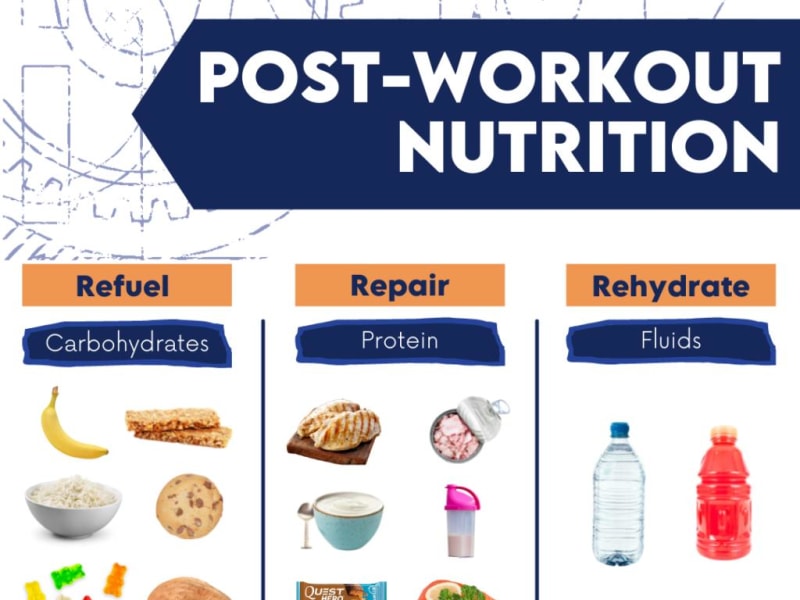
Pre- and post-workout nutrition are two of the most impactful yet frequently confused aspects of sports nutrition. The right foods at the right times can meaningfully improve performance, accelerate recovery, and maximise muscle adaptation — here's exactly what to eat and when.
April 14, 2026