

Emergency & Help
24/7 Emergency & General Advisory
🚨 24/7 Medical Emergency
Non-Emergency Advisory
10:00 AM – 6:00 PM, Mon–Sat
For appointments & general queries.
24/7 Emergency & General Advisory
🚨 24/7 Medical Emergency
Non-Emergency Advisory
10:00 AM – 6:00 PM, Mon–Sat
For appointments & general queries.
Discover the surprising health and skin benefits of strawberries. Learn how this delicious fruit can boost your well-being and improve your complexion from the inside out.

When you think of strawberries, you likely picture a sweet, juicy fruit perfect for desserts or a refreshing snack. But did you know that this vibrant red berry packs a powerful punch when it comes to your health, especially your skin? While the idea of using strawberries for skincare might sound unusual, research suggests there are indeed benefits to be reaped, both from eating them and potentially from topical applications. Let's explore how these delightful fruits can contribute to a healthier you, from the inside out.
Strawberries are more than just a pretty face; they are brimming with essential vitamins, minerals, and antioxidants. They are particularly rich in:
This impressive nutritional profile makes strawberries a fantastic addition to a balanced diet, contributing to overall well-being and potentially impacting skin health.
The connection between diet and skin health is undeniable. Eating strawberries can offer several advantages for your complexion:
Thanks to their high vitamin C content and other anti-inflammatory compounds, strawberries may help reduce redness and swelling associated with acne. While more research is needed, some studies on vitamin C derivatives have shown positive effects on acne-prone skin. Imagine trying to manage a breakout; incorporating strawberries into your diet could be a gentle, natural way to support your skin's healing process.
The antioxidants in strawberries, particularly polyphenols, help protect your skin from damage caused by free radicals and environmental stressors. These free radicals contribute to premature aging, such as fine lines and wrinkles. Some research even suggests that topical treatments combining strawberry extract with other beneficial compounds like Coenzyme Q10 might offer protection against UVA radiation, a major culprit behind sun-induced skin aging.
A small study indicated that microneedling treatments combined with a vitamin C serum containing strawberry extract led to improvements in skin hydration and elasticity. While this specific study involved advanced treatments, it hints at the potential of strawberry's components to support skin structure and moisture retention.
The benefits of strawberries extend far beyond topical applications. Consuming them regularly can positively impact your overall health:
The anthocyanins found in strawberries have been linked to improved blood lipid profiles and a reduced risk of heart disease. By helping to manage cholesterol levels and reduce inflammation, strawberries contribute to a healthier cardiovascular system.
Studies suggest that strawberries may help regulate how your body processes sugar (sucrose). This could play a role in preventing or managing type 2 diabetes, a growing concern for many. Maintaining stable blood sugar levels is key, and a diet rich in fruits like strawberries can be beneficial.
The abundance of phenolic antioxidants in strawberries may offer protection against certain types of cancer by combating cellular damage. While not a cure, incorporating antioxidant-rich foods into your diet is a proactive step towards long-term health.
You don't need to choose between eating strawberries and using products containing them. Both approaches can offer benefits:
Enjoy fresh strawberries on their own, add them to your morning oatmeal or yogurt, blend them into smoothies, or toss them into salads. They are a versatile fruit that can enhance the flavor and nutritional value of many meals and snacks.
While research on topical strawberry applications is still developing, you can find skincare products containing strawberry extracts, vitamin C, or other beneficial compounds. Look for serums, masks, or moisturizers that align with your skin's needs. However, remember that the scientific evidence for significant topical benefits directly from strawberries is less robust compared to the benefits of eating them.
Consider this scenario: A busy mother, Mrs. Sharma, is concerned about her skin looking dull and tired after sleepless nights with her toddler. She loves strawberries and starts adding a bowl to her breakfast daily and also tries a face serum with vitamin C and strawberry extract. Over a few weeks, she notices her skin feels more hydrated and looks brighter, making her feel more confident.
While strawberries are generally safe and beneficial for most people, it's always wise to consult a healthcare professional if you have specific health concerns, allergies, or are considering significant dietary changes, especially if you have conditions like diabetes or heart disease. If you experience any allergic reactions to strawberries, discontinue use immediately and seek medical advice.
Yes, eating strawberries provides vitamins and antioxidants that support overall skin health, fight inflammation, and protect against aging. While topical application research is ongoing, dietary intake offers well-established benefits.
For most people, strawberries are safe in moderation. However, excessive consumption might lead to digestive upset in some individuals. People with certain allergies should avoid them.
The most reliable way to gain benefits is by eating them regularly as part of a balanced diet. You can also explore skincare products containing strawberry extract or vitamin C, but focus on dietary intake for comprehensive health and skin advantages.
The anti-inflammatory properties of strawberries, particularly vitamin C, may help reduce acne-related inflammation and redness. They can be a supportive part of an acne management plan when consumed.
Most people do not notice early warning signs right away. That is common. A simple symptom diary, basic routine checks, and timely follow-up visits can prevent small problems from becoming serious.
If you are already on treatment, stay consistent with medicines and lifestyle advice. If your symptoms change, do not guess. Check with a qualified doctor and update your plan early.
Write down symptoms, triggers, and timing for a few days.
Carry old prescriptions and test reports to your consultation.
Ask clearly about side effects, red-flag signs, and follow-up dates.
Seek urgent care for severe pain, breathing trouble, bleeding, fainting, or sudden worsening.
Visit Hospital
Near You
Everything you need to know about appendix surgery in Garden Reach, from symptoms to recovery. Expert insights for informed decisions.
May 19, 2026
Explore advanced oral cancer treatment options available in Bardhaman. Understand diagnosis, therapies, and support for patients.
May 19, 2026
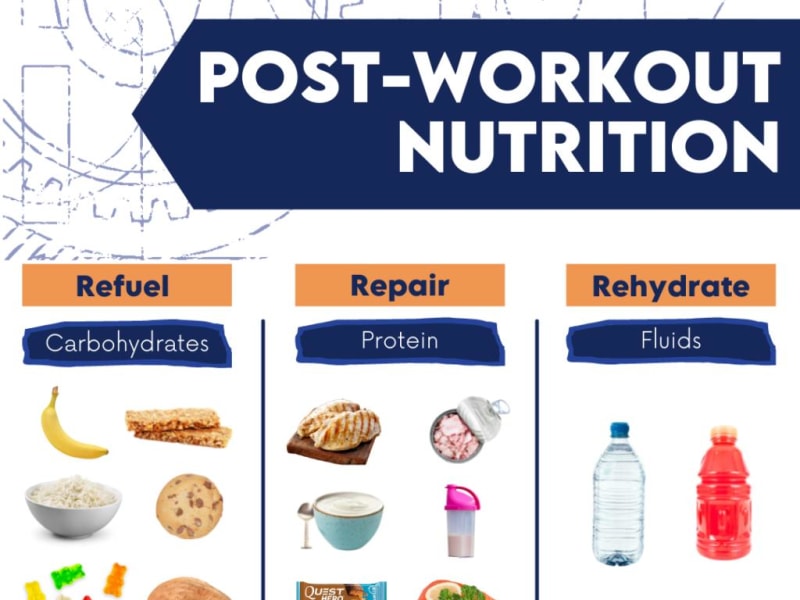
Pre- and post-workout nutrition are two of the most impactful yet frequently confused aspects of sports nutrition. The right foods at the right times can meaningfully improve performance, accelerate recovery, and maximise muscle adaptation — here's exactly what to eat and when.
April 14, 2026