

Emergency & Help
24/7 Emergency & General Advisory
🚨 24/7 Medical Emergency
Non-Emergency Advisory
10:00 AM – 6:00 PM, Mon–Sat
For appointments & general queries.
24/7 Emergency & General Advisory
🚨 24/7 Medical Emergency
Non-Emergency Advisory
10:00 AM – 6:00 PM, Mon–Sat
For appointments & general queries.
Discover what 'free-range chicken' means, its potential nutritional benefits, and how to find it in India. Make an informed choice for your family's table.

In today's world, we're increasingly mindful of where our food comes from. The term "free-range chicken" pops up frequently in grocery stores and on restaurant menus, but what does it really signify? Is it just a marketing buzzword, or does it translate to a healthier choice for you and your family? This guide aims to demystify free-range chicken, exploring its definition, nutritional aspects, and how it differs from conventionally raised poultry.
The U.S. Department of Agriculture (USDA) has specific guidelines for labeling chicken as "free-range." For poultry, this label means that the chickens had access to the outdoors. This access must be provided for at least one day prior to the birds being processed. However, the regulations don't specify the quality or size of the outdoor space. It could be a small patch of dirt or a vast green pasture. The key is that they weren't confined to their indoor living space for their entire lives. This contrasts with conventional farming, where chickens are typically raised in large, indoor barns with limited or no outdoor access.
The simple act of allowing chickens to roam outdoors can influence their behavior and potentially their well-being. In a free-range environment, chickens can engage in natural behaviors like scratching, pecking, foraging for insects, and dust bathing. These activities contribute to a more natural life for the birds. While the USDA definition focuses on 'access,' many producers who label their chicken as free-range go above and beyond, providing larger outdoor areas with vegetation, which can further enrich the chickens' environment.
When it comes to nutrition, the differences between free-range and conventionally raised chicken are often subtle but can be significant. Several studies have indicated that free-range chicken may have a slightly different nutritional profile:
However, it's important to remember that these differences are often modest. The primary nutritional value of chicken – its protein content – remains high in both types. The overall diet fed to the chickens, regardless of free-range status, plays a significant role in the final nutritional composition of the meat.
The term "free-range" can sometimes be confused with other labels. Here's a quick breakdown:
When you see "free-range" on a package, it's a good indicator of some level of outdoor access, but it's helpful to understand what that entails and how it compares to other labels if you have specific concerns about animal welfare or nutritional content.
Consider Priya, a mother in Mumbai who is trying to make healthier food choices for her family. She often shops at her local market and notices labels like "free-range" on chicken packages. She wonders if paying a little extra for this type of chicken is worth it. After reading about the potential for higher omega-3s and the benefits of chickens engaging in natural behaviors, she decides to try free-range chicken for her family's weekend meal, hoping for a slightly more nutritious and ethically raised option.
Finding free-range chicken in India is becoming easier, especially in larger cities. You can often find it at:
When purchasing, don't hesitate to ask questions about the farming practices if you're unsure. Transparency from the seller is key.
Many people report that free-range chicken has a slightly richer flavor and a firmer texture compared to conventionally raised chicken. This is likely due to the birds' more active lifestyle and varied diet. Because it can be leaner, free-range chicken might cook a bit faster, so it's wise to keep an eye on it to prevent overcooking. It works beautifully in all your favorite Indian chicken dishes, from curries and biryanis to tandoori preparations.
Choosing free-range chicken is a personal decision based on your priorities, whether they are related to nutrition, animal welfare, environmental impact, or taste. While the USDA definition focuses on 'access,' many producers offer higher standards. By understanding the label and exploring your options, you can make a choice that aligns with your values and dietary preferences.
Yes, free-range chicken often comes at a higher price point than conventionally raised chicken. This is typically due to the increased space, potentially longer growth periods, and more labor-intensive farming practices involved.
Visually, it's difficult to definitively tell if chicken is free-range simply by looking at the raw meat. The "free-range" designation primarily relates to the farming and living conditions of the chicken, not a visual characteristic of the meat itself. Always rely on the product labeling.
No, the "free-range" label by itself does not guarantee that antibiotics were not used. If you are looking for chicken raised without antibiotics, you should specifically look for labels such as "raised without antibiotics" or "organic."
For consumers, the primary "downside" might be the increased cost. From an animal welfare perspective, while "free-range" implies better conditions than confinement, the quality of outdoor access can vary significantly, and some might argue that even "free-range" doesn't go far enough compared to truly pasture-raised systems.
Visit Hospital
Near You
Everything you need to know about appendix surgery in Garden Reach, from symptoms to recovery. Expert insights for informed decisions.
May 19, 2026
Explore advanced oral cancer treatment options available in Bardhaman. Understand diagnosis, therapies, and support for patients.
May 19, 2026
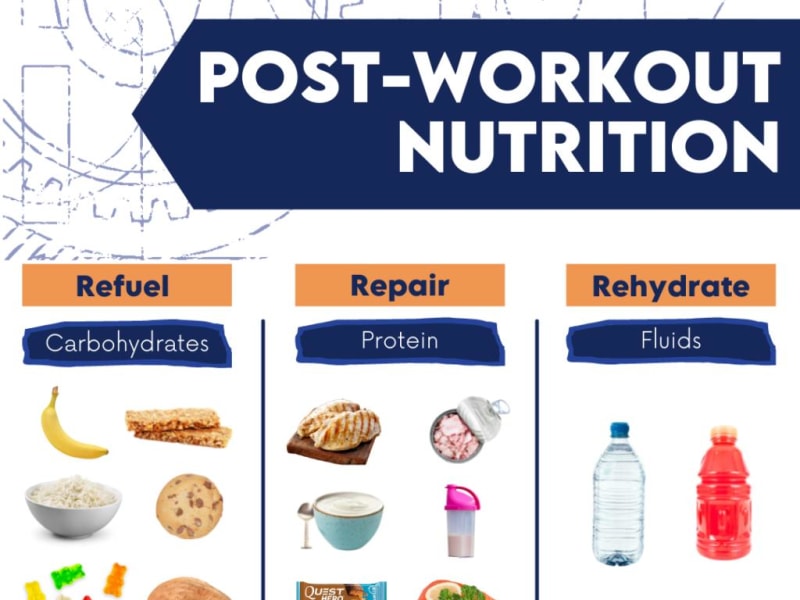
Pre- and post-workout nutrition are two of the most impactful yet frequently confused aspects of sports nutrition. The right foods at the right times can meaningfully improve performance, accelerate recovery, and maximise muscle adaptation — here's exactly what to eat and when.
April 14, 2026