

Emergency & Help
24/7 Emergency & General Advisory
🚨 24/7 Medical Emergency
Non-Emergency Advisory
10:00 AM – 6:00 PM, Mon–Sat
For appointments & general queries.
24/7 Emergency & General Advisory
🚨 24/7 Medical Emergency
Non-Emergency Advisory
10:00 AM – 6:00 PM, Mon–Sat
For appointments & general queries.
Discover the incredible skin-boosting benefits of avocados! Learn how eating them and using them topically can lead to a healthier, more radiant complexion. Includes DIY mask recipes and practical tips.
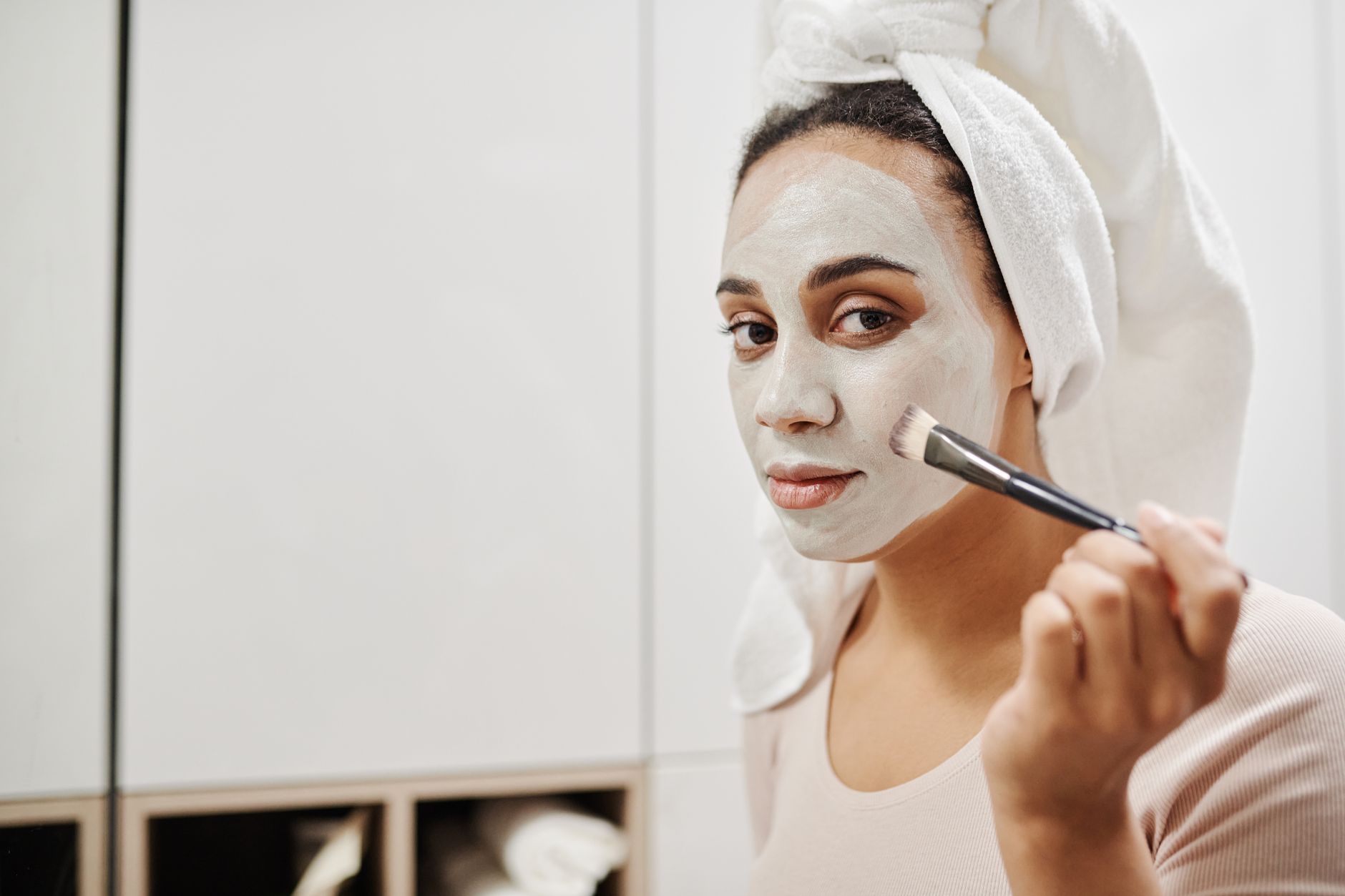
We all want that healthy, glowing skin, right? It’s not just about looking good; it’s about feeling confident and comfortable in our own skin. While we often think of diet and exercise as key to overall health, did you know that what you eat can dramatically impact your complexion? Enter the humble avocado – a creamy, delicious fruit that’s a powerhouse of nutrients. Beyond its delightful taste in guacamole or as a spread on toast, avocados offer an impressive array of benefits specifically for your skin. This versatile fruit is packed with healthy fats, essential vitamins, and vital minerals that work wonders from the inside out and can even be used topically. In this article, we’ll explore how avocados can transform your skin, making it healthier and more radiant. Get ready to discover why this 'superfruit' deserves a permanent spot in your diet and your beauty routine. The Nutrient Powerhouse: What Makes Avocados Great for Skin? Avocados aren't just tasty; they are nutritional giants. Their magic for skin lies in a unique combination of components: Healthy Fats: Avocados are rich in monounsaturated fats. These fats are essential for maintaining skin hydration, keeping it plump and supple. They help to strengthen the skin’s natural barrier, preventing moisture loss and protecting it from environmental damage. Think of them as internal moisturisers! Vitamins E and C: These are two of the most potent antioxidants for skin health. Vitamin E is known for its ability to protect skin from oxidative damage caused by the sun and pollution, while also helping to repair existing damage. Vitamin C is a key player in collagen production, the protein that keeps our skin firm and youthful. It also brightens the complexion and helps fade dark spots. Biotin (Vitamin B7): This B-complex vitamin is a star when it comes to preventing dry skin. When applied topically or consumed, biotin helps keep skin moisturised and can even improve the health of brittle hair and nails. Other Essential Nutrients: Avocados also contain minerals like potassium and magnesium, as well as other antioxidants like lutein and zeaxanthin. These work synergistically to support overall skin health, reduce inflammation, and protect against damage. How Avocados Benefit Your Skin: Inside and Out The benefits of avocados for skin are twofold: they work when you eat them, and they can also be incredibly effective when applied directly to your skin. Internal Benefits: Nourishing Your Skin from Within When you incorporate avocados into your diet, you're providing your body with the building blocks for healthy skin. The healthy fats, particularly monounsaturated fats, are absorbed and help maintain skin elasticity. Studies have shown that a diet rich in these fats can reduce the appearance of wrinkles and improve overall skin texture. Imagine a slice of avocado on your morning toast – you’re not just enjoying a delicious breakfast; you’re actively working towards smoother, more youthful-looking skin! Furthermore, the antioxidants found in avocados, like vitamins E and C, combat free radicals. These unstable molecules are generated by factors like UV radiation and pollution, and they wreak havoc on skin cells, leading to premature aging, inflammation, and even skin cancer. By consuming avocados, you're arming your body with the defence it needs to fight this cellular damage. Research from 2011 even suggests that compounds in avocados can help protect your skin from sun damage and inflammation, which are major contributors to wrinkles and other signs of aging. A 2010 study involving over 700 women highlighted the connection between the condition of their skin and their intake of fats and antioxidant micronutrients. The findings suggested that a higher intake of healthy fats, like those abundant in avocados, correlated with better skin quality. Topical Benefits: Direct Application for Immediate Results The creamy flesh of an avocado makes it a fantastic natural ingredient for DIY skincare. Its rich, moisturising properties can soothe dry, irritated skin and provide an instant boost of hydration. For Dry and Eczema-Prone Skin: The fats and vitamins in avocados can help speed up the skin's repair process. If you struggle with conditions like eczema or generally dry, flaky skin, applying avocado topically can provide much-needed relief. It helps to replenish lost moisture and calm inflammation. Even Skin Tone: The nutrients in avocados can also help to improve uneven skin tone, leaving your complexion looking more balanced and radiant. Soothing and Healing: Avocado oil, in particular, is a treasure trove of beneficial compounds. Cold-pressed avocado oil is packed with antioxidants, plant sterols, omega-9 fatty acids, and vitamins C and E. These elements work together to boost collagen production, reduce redness and irritation, and gently exfoliate by lifting away old skin cells. This makes it excellent for soothing inflamed skin. Fewer Breakouts: If acne is a concern, you might be surprised to learn that avocado oil can help. It possesses antimicrobial properties that may help reduce breakouts. Using avocado oil as a cleanser can also leave your skin feeling remarkably supple and moisturised, rather than stripped and dry. Practical Ways to Use Avocados for Your Skin Integrating avocados into your skincare routine is surprisingly simple. Here are a few effective methods: 1. Avocado Face Mask for Deep Moisture This is a popular and effective way to give your skin an intense hydration boost. It’s perfect for dry or dull skin days. Ingredients: 1/2 ripe avocado, mashed 1 tablespoon honey (manuka honey is great if you have it) Optional: 1 teaspoon plain yogurt or a few drops of avocado oil for extra richness Instructions: Ensure your face is clean and gently warmed. You can do this by holding a warm, damp washcloth to your face for about 20 seconds to open your pores. In a small bowl, thoroughly mash the avocado until it’s smooth and lump-free. Mix in the honey and any optional ingredients until you have a well-combined paste. Apply the mask evenly to your face, avoiding the delicate eye area. Leave it on for 15-20 minutes. Rinse off thoroughly with lukewarm water. Gently pat your face dry and follow with your usual moisturiser. Scenario: Priya, a homemaker in her late 30s, often complains of dry, flaky patches on her cheeks, especially during the dry winter months. She tried many creams, but they only offered temporary relief. Her dermatologist suggested a simple avocado and honey mask once a week. After a month, Priya noticed a significant improvement in her skin's hydration and smoothness, with the dry patches considerably reduced. 2. Avocado Oil as a Cleanser or Moisturiser Booster Pure avocado oil is readily available in many stores and online. It’s a fantastic alternative if you don’t have time for a mask or want a daily treatment. As a Cleanser: Apply a small amount of avocado oil to a cotton pad or directly onto dry skin. Gently massage it in to dissolve makeup and impurities. Wipe away with a warm, damp cloth. Follow with your regular gentle cleanser if desired, or simply rinse your face. As a Moisturiser Booster: Add a few drops of 100% avocado oil to your favourite facial moisturiser or serum. Mix it in your palm before applying to your face. This enhances the hydrating and nourishing properties of your existing products. 3. Incorporate Avocado into Your Diet Don't forget the power of eating avocados! Add them to salads, sandwiches, smoothies, or enjoy them as guacamole. The more you consume, the more you nourish your skin from the inside out. When to Consult a Doctor or Dermatologist While avocados offer fantastic benefits, they are not a cure-all. If you have persistent skin concerns such as severe acne, eczema, or any signs of sun damage, it’s always best to consult a healthcare professional. A dermatologist can provide a proper diagnosis and recommend treatments tailored to your specific needs. They can also advise on whether topical avocado treatments are suitable for your skin type and condition. If you experience any allergic reaction to avocado, either when consuming it or applying it topically, discontinue use immediately and seek medical advice. Frequently Asked Questions (FAQ) Can I use avocado on my face every day? Using avocado as a mask once or twice a week is generally safe and beneficial for most skin types. If using pure avocado oil as a cleanser or moisturiser booster, a small amount daily is usually fine, but always listen to your skin. If you notice any irritation or breakouts, reduce the frequency. Is avocado oil good for oily skin? Yes, avocado oil can be beneficial for oily skin too. Despite being an oil, it’s non-comedogenic for most people, meaning it’s less likely to clog pores. Its properties can help balance oil production and provide hydration without feeling heavy. Its antimicrobial nature might also help with acne-prone oily skin. What's the difference between eating avocado and using it topically? Eating avocado provides systemic benefits. The nutrients are absorbed into your bloodstream and distributed throughout your body, supporting skin health from within. Topical application delivers concentrated nutrients directly to the skin’s surface, offering more immediate effects like moisturisation and soothing.
In summary, timely diagnosis, evidence-based treatment, and prevention-focused care improve long-term health outcomes.
Visit Hospital
Near You
Everything you need to know about appendix surgery in Garden Reach, from symptoms to recovery. Expert insights for informed decisions.
May 19, 2026
Explore advanced oral cancer treatment options available in Bardhaman. Understand diagnosis, therapies, and support for patients.
May 19, 2026
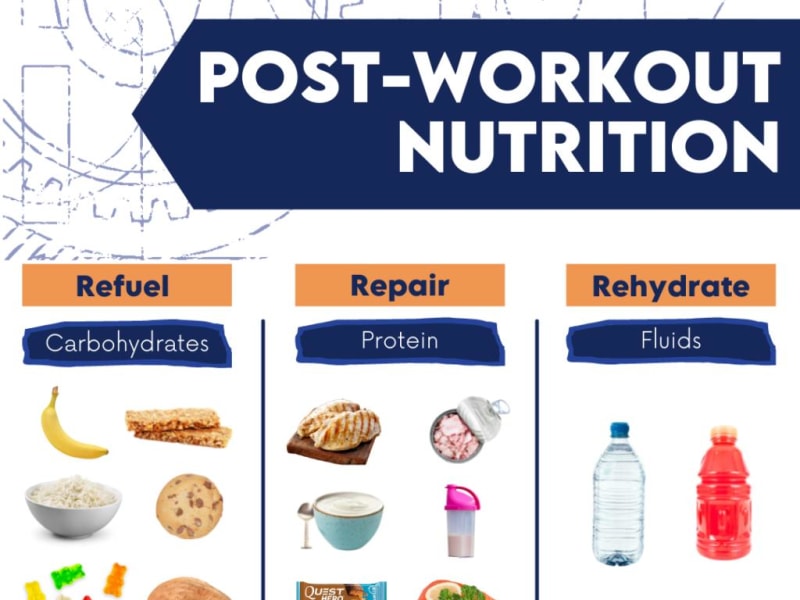
Pre- and post-workout nutrition are two of the most impactful yet frequently confused aspects of sports nutrition. The right foods at the right times can meaningfully improve performance, accelerate recovery, and maximise muscle adaptation — here's exactly what to eat and when.
April 14, 2026