

Emergency & Help
24/7 Emergency & General Advisory
🚨 24/7 Medical Emergency
Non-Emergency Advisory
10:00 AM – 6:00 PM, Mon–Sat
For appointments & general queries.
24/7 Emergency & General Advisory
🚨 24/7 Medical Emergency
Non-Emergency Advisory
10:00 AM – 6:00 PM, Mon–Sat
For appointments & general queries.
Explore the vital role of Vitamin B complex in energy production, brain health, and more. Learn about its benefits, deficiency symptoms, and rich dietary sources for Indians.

Vitamins are essential organic compounds that our bodies need in small amounts to function correctly. Among these, the B vitamins, collectively known as the Vitamin B complex, play a crucial role in numerous bodily processes. They are water-soluble, meaning our bodies don't store them for long periods, and we need a regular intake through diet or supplements. This article delves into the world of Vitamin B complex, exploring its myriad health benefits, the consequences of its deficiency, and the best dietary sources available for Indian readers.
The term "Vitamin B complex" refers to a group of eight distinct B vitamins: B1 (Thiamine), B2 (Riboflavin), B3 (Niacin), B5 (Pantothenic Acid), B6 (Pyridoxine), B7 (Biotin), B9 (Folate), and B12 (Cobalamin). While each has its unique functions, they often work together synergistically to support overall health, particularly in energy metabolism, brain function, and cell health.
Perhaps the most well-known function of B vitamins is their role in converting the food we eat – carbohydrates, fats, and proteins – into usable energy for our cells. Without adequate B vitamins, our bodies would struggle to extract energy from our meals, leading to fatigue and sluggishness.
B vitamins are vital for maintaining a healthy brain and nervous system. They are involved in the synthesis of neurotransmitters, chemical messengers that transmit signals between nerve cells. For instance, B6, B9, and B12 are crucial for breaking down homocysteine, an amino acid linked to an increased risk of cognitive decline and stroke when levels are high. Biotin (B7) and Niacin (B3) also play roles in maintaining healthy brain function.
Vitamins B12, B9 (Folate), and B6 are essential for the production of healthy red blood cells. These cells are responsible for carrying oxygen throughout the body. A deficiency in these vitamins can lead to megaloblastic anemia, a condition characterized by abnormally large, immature red blood cells, resulting in fatigue and weakness.
Several B vitamins contribute to the health and appearance of our skin, hair, and nails. Biotin (B7) is particularly famous for its role in strengthening hair and nails and maintaining healthy skin. Niacin (B3) can help improve skin barrier function and reduce inflammation, while Riboflavin (B2) and Pantothenic Acid (B5) also contribute to skin health.
As mentioned earlier, B vitamins like B6, B9, and B12 help regulate homocysteine levels. High homocysteine is a risk factor for heart disease. By keeping these levels in check, B vitamins contribute to a healthier cardiovascular system.
A robust immune system is crucial for fighting off infections. Vitamins B6, B12, and Folate play a role in supporting immune cell function and antibody production, helping the body defend itself against pathogens.
The symptoms of a Vitamin B complex deficiency can vary depending on which specific B vitamin is lacking, but some common signs include:
Several factors can contribute to a deficiency in Vitamin B complex:
Fortunately, many common Indian foods are rich in B vitamins. Incorporating a variety of these into your daily meals can help ensure adequate intake:
Whole wheat (atta), brown rice, millets (bajra, jowar, ragi), and oats are excellent sources of Thiamine (B1), Riboflavin (B2), Niacin (B3), and Pantothenic Acid (B5).
Lentils (dal), chickpeas (chana), kidney beans (rajma), and peas are good sources of Folate (B9), Thiamine (B1), and other B vitamins.
Milk, yogurt, and cheese are good sources of Riboflavin (B2) and Vitamin B12 (Cobalamin). Vitamin B12 is particularly important for vegetarians and vegans, as it is primarily found in animal products.
Eggs, chicken, fish, and lean meats are rich in various B vitamins, including B12, Niacin, B6, and Riboflavin.
Spinach, fenugreek leaves (methi), and other dark leafy greens are excellent sources of Folate (B9).
Almonds, walnuts, sunflower seeds, and pumpkin seeds provide a good amount of Biotin (B7), Niacin (B3), and other B vitamins.
While not as concentrated as other sources, fruits like bananas, avocados, and citrus fruits contribute some B vitamins.
If you suspect a Vitamin B deficiency, it's essential to consult a doctor. Diagnosis typically involves:
Treatment for Vitamin B deficiency usually involves increasing your intake of the deficient vitamin(s) through:
Prevention is key and involves maintaining a healthy, balanced diet. For individuals at higher risk (e.g., vegans, pregnant women, those with malabsorption issues), regular check-ups and potential supplementation under medical guidance are advisable.
You should consult a doctor if you experience any persistent symptoms of Vitamin B deficiency, such as unexplained fatigue, neurological issues (numbness, tingling), or changes in mood and cognition. Early diagnosis and treatment are crucial to prevent long-term health complications.
In conclusion, the Vitamin B complex is a group of essential nutrients vital for energy production, brain function, red blood cell formation, and overall well-being. By understanding its importance and incorporating a variety of nutrient-rich foods into your diet, you can significantly contribute to maintaining optimal health and preventing deficiencies.
Visit Hospital
Near You
Everything you need to know about appendix surgery in Garden Reach, from symptoms to recovery. Expert insights for informed decisions.
May 19, 2026
Explore advanced oral cancer treatment options available in Bardhaman. Understand diagnosis, therapies, and support for patients.
May 19, 2026
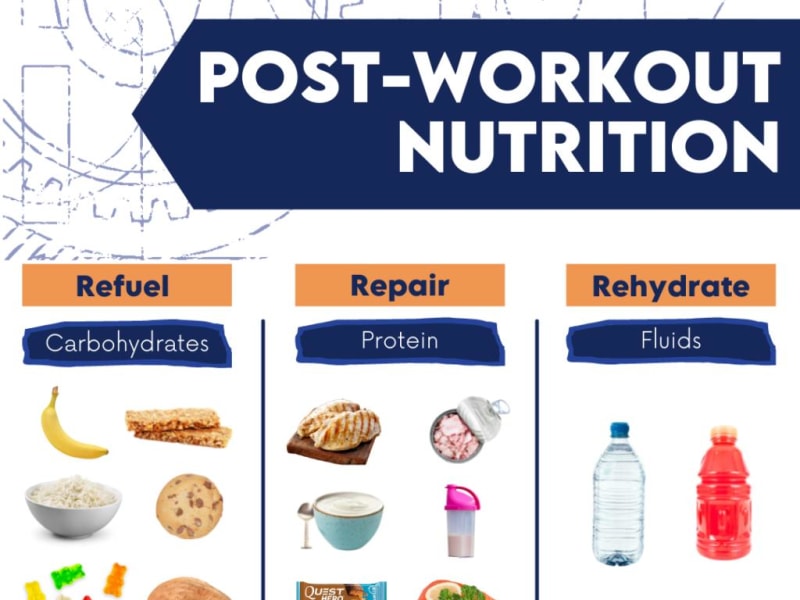
Pre- and post-workout nutrition are two of the most impactful yet frequently confused aspects of sports nutrition. The right foods at the right times can meaningfully improve performance, accelerate recovery, and maximise muscle adaptation — here's exactly what to eat and when.
April 14, 2026