

Emergency & Help
24/7 Emergency & General Advisory
🚨 24/7 Medical Emergency
Non-Emergency Advisory
10:00 AM – 6:00 PM, Mon–Sat
For appointments & general queries.
24/7 Emergency & General Advisory
🚨 24/7 Medical Emergency
Non-Emergency Advisory
10:00 AM – 6:00 PM, Mon–Sat
For appointments & general queries.
Discover effective exercises and practical lifestyle tips for achieving a flatter stomach, tailored for an Indian audience. Learn core-strengthening workouts, mindful eating strategies, and the importance of consistency for a toned midsection.

Dreaming of a flatter, more toned stomach? It's a common goal, whether for aesthetics or as a sign of overall fitness. In India, where active lifestyles and healthy eating are often traditions, achieving a flat stomach can feel like a natural extension of our existing wellness practices. But with so much information out there, where do you begin? This guide breaks down effective exercises and practical lifestyle changes tailored for you, helping you sculpt your midsection and boost your confidence. We’ll cover simple yet powerful workouts you can do at home, essential dietary adjustments, and the importance of consistency. Let’s embark on this journey to a stronger, flatter core together! Understanding What It Takes for a Flat Stomach A flat stomach isn’t just about doing endless crunches. It’s a combination of factors: reducing overall body fat, building lean muscle in your abdominal area, and maintaining a healthy lifestyle. For us in India, this means integrating fitness with our traditional diets and daily routines. Think of it as building a strong foundation, not just a quick fix. We need to address both exercise and nutrition for sustainable results. This involves consistent effort, patience, and a clear understanding of what your body needs. Essential Exercises for a Toned Core The key is to engage your core muscles effectively. These exercises are designed to target your abdominals and oblique muscles, helping to strengthen and tone them. Remember to perform these exercises every other day to allow your muscles time to recover and rebuild. On alternate days, focus on other forms of physical activity like brisk walking or cycling. 1. The Leg Raise Crunch This exercise is fantastic for beginners aiming to build a strong core. It directly targets the lower abdominal muscles. How to do it: Lie on your back with your feet raised and your legs bent at a 90-degree angle, as if sitting in a chair. Place your hands gently behind your head or by your sides. Engage your lower abdominals and lift your upper body off the mat towards your raised knees. Pause for 1-2 seconds at the top, feeling the contraction in your abs. Slowly lower your upper body back down to the starting position while inhaling. Repetitions: Aim for 2-3 sets of 8-18 repetitions. Modification: For added support, you can drop your bottom knee slightly towards the floor. To increase intensity, try raising your top leg higher or perform hip dips by lowering your hips almost to the floor and back up. 2. The Side Plank with Hip Dips This exercise works your oblique muscles (the sides of your waist) and improves stability. How to do it: Lie on your right side with your right forearm on the floor, directly below your shoulder. Stack your legs, with your left foot on top of your right. Tighten your core and lift your hips off the floor to form a straight line from your head to your feet. Your left arm can be extended straight up towards the ceiling. Now, slowly lower your hips towards the floor without touching it, then lift them back up. This is a hip dip. Repetitions: Perform 10-15 repetitions on each side. Important: Focus on rotating your torso and engaging your core. Avoid pulling with your hips or straining your neck. Keep your lower back rooted and shoulders away from your ears. 3. The Bicycle Crunch A dynamic exercise that targets both upper and lower abs, as well as obliques, mimicking a cycling motion. How to do it: Lie on your back with your knees bent and heels flat on the floor. Interlace your fingers lightly at the base of your skull. Engage your core, lift your shoulders and upper back off the floor, and bring your knees up so they are directly above your hips (shins parallel to the floor). As you exhale, twist your torso to bring your right elbow towards your left knee. Simultaneously, straighten and extend your right leg. Inhale as you return to the starting position. Exhale and twist your torso to bring your left elbow towards your right knee, straightening your left leg this time. Repetitions: Continue alternating sides for 15-20 repetitions per side. Tip: Focus on the twist in your torso and the controlled movement. Keep your lower back pressed into the floor. 4. The V-Sit (Boat Pose) This pose strengthens your core and improves balance. It’s excellent for building abdominal endurance. How to do it: Sit on the floor with your knees bent and feet flat. Lean back slightly on your sitting bones and tailbone, keeping your spine straight. Engage your core and lift your legs off the floor, extending them towards the ceiling to form a V shape with your body. Your shins should be parallel to the floor, or you can extend your legs further if comfortable. Extend your arms out in front of you, parallel to the floor, palms facing each other. Hold: Aim to hold this pose for 30-60 seconds. Breathing: Breathe deeply and steadily throughout the hold. Progression: For a greater challenge, try to straighten your legs further or hold for longer durations. 5. The Burpee with Push-up This is a full-body explosive exercise that significantly burns calories and works your core intensely. How to do it: Start standing with your feet shoulder-width apart. Squat down and place your palms on the floor directly in front of you, under your shoulders. Jump your legs back to land in a push-up position. Perform one push-up (lower your chest towards the floor and push back up). Jump your feet forward to return to the squat position. Explosively jump up into the air, reaching your arms overhead. Land softly and immediately go into the next squat. Repetitions: Aim for 2-3 sets of 8-12 repetitions. Caution: If you are new to burpees or have any joint issues, you can modify by stepping your legs back instead of jumping, and skipping the push-up initially. Lifestyle Adjustments for a Flatter Stomach Exercise is only one part of the puzzle. What you eat and how you live play an equally significant role. For us in India, this means embracing our diverse culinary heritage while making mindful choices. 1. Mindful Eating and Nutrition Focus on whole, unprocessed foods. Include plenty of vegetables, fruits, lean proteins, and whole grains in your diet. Indian cuisine offers a wealth of healthy options like dals, sabzis made with minimal oil, and grilled tandoori items. Be mindful of portion sizes and reduce intake of sugary drinks, fried snacks, and excessive sweets. Hydration is also key; drink plenty of water throughout the day. 2. Stay Active Throughout the Day Beyond formal workouts, aim for general movement. Take the stairs, walk during your lunch break, or do a few stretches every hour if you have a sedentary job. Even short bursts of activity add up and contribute to your overall calorie expenditure and metabolism. 3. Prioritize Sleep and Stress Management Lack of sleep and chronic stress can affect your hormones, leading to increased belly fat. Ensure you get 7-8 hours of quality sleep per night. Practice stress-reducing techniques like deep breathing exercises, meditation, or spending time on hobbies you enjoy. A calm mind supports a healthy body. 4. Consistency is Key Achieving a flat stomach takes time and consistent effort. Don’t get discouraged by slow progress. Celebrate small victories and stick to your routine. Remember, it’s a marathon, not a sprint. When to Seek Professional Guidance While these exercises and tips are generally safe, it’s always wise to consult a doctor or a certified fitness trainer before starting any new exercise program, especially if you have any pre-existing health conditions, such as back pain, neck issues, or heart conditions. They can help you tailor a plan that’s safe and effective for your specific needs and fitness level. A registered dietitian can also provide personalized nutrition advice. A Common Scenario Consider Priya, a 35-year-old marketing professional in Mumbai. She often feels bloated after meals and wants to tone her abdominal area. She starts by incorporating the bicycle crunches and leg raises into her routine three times a week and switches her evening snack from fried samosas to a bowl of sprouts or yogurt. Within a few weeks, she notices a difference in her energy levels and a slight reduction in bloating, motivating her to continue. Frequently Asked Questions (FAQs) Q1: How quickly can I expect to see results? Results vary greatly depending on individual factors like genetics, diet, exercise consistency, and starting fitness level. Some people may notice initial changes in a few weeks, while for others, it might take a few months. Focus on building healthy habits rather than just the end result. Q2: Can I do these exercises every day? It’s best to allow your muscles at least one day of rest between intense core workouts. Doing these exercises every other day, and focusing on other forms of activity on alternate days, helps prevent overtraining and allows for muscle recovery and growth. Q3: Is cardio essential
In summary, timely diagnosis, evidence-based treatment, and prevention-focused care improve long-term health outcomes.
Visit Hospital
Near You

Explore safe and effective skin glow treatment in Kolkata. Learn about popular procedures, benefits, costs, and skincare tips from experts.
May 20, 2026
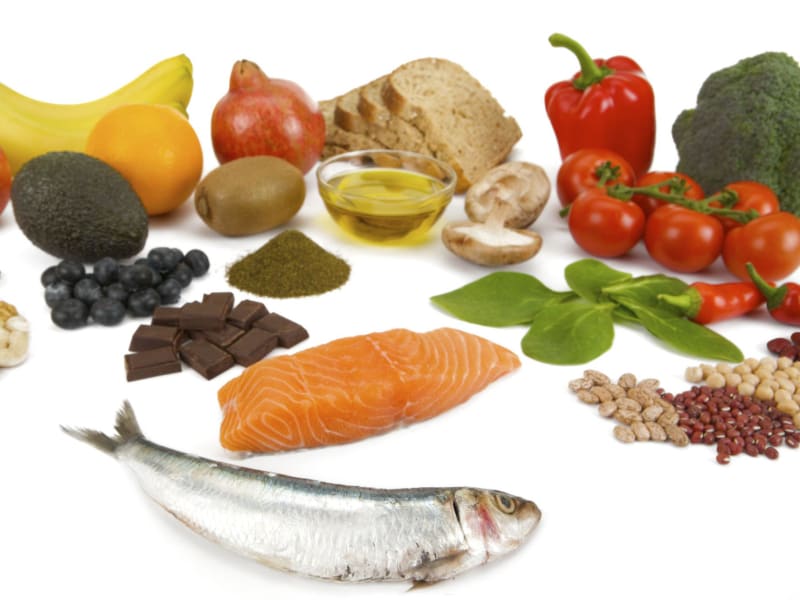
The superfood label is a marketing construct — but that doesn't mean all the foods wearing it are frauds. Some genuinely deserve the designation based on density of nutrients and breadth of evidence; others are expensive substitutes for far cheaper alternatives. Here's the honest breakdown.
April 14, 2026
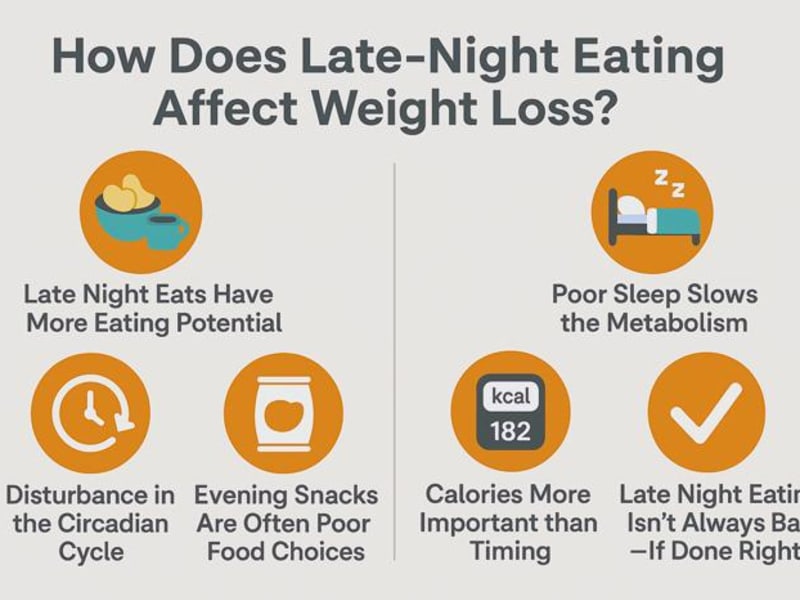
The belief that eating after 8pm automatically causes weight gain is pervasive — but the reality is more nuanced. Circadian biology, food choices, and total caloric intake all interact in ways that make the question far more interesting than a simple yes or no.
April 14, 2026