

Emergency & Help
24/7 Emergency & General Advisory
🚨 24/7 Medical Emergency
Non-Emergency Advisory
10:00 AM – 6:00 PM, Mon–Sat
For appointments & general queries.
24/7 Emergency & General Advisory
🚨 24/7 Medical Emergency
Non-Emergency Advisory
10:00 AM – 6:00 PM, Mon–Sat
For appointments & general queries.
Discover effective exercises and lifestyle tips to build a stronger, firmer butt. Learn about squats, lunges, bridges, and more, tailored for an Indian audience.

The quest for a firmer, more shapely posterior is common, and it's great that you're looking for ways to enhance yours! Your glutes, the muscles that make up your backside, are incredibly powerful. They're not just for aesthetics; they play a vital role in everyday movements like walking, running, and even standing. Consisting of the gluteus maximus, medius, and minimus, these muscles are key to your body's strength and stability. If you're in India and aiming to improve the size, shape, or firmness of your glutes, you're in the right place. This guide focuses on practical, effective strategies that you can incorporate into your routine. We'll cover exercises that target these muscles, and also touch upon other lifestyle factors that contribute to overall muscle development. Remember, consistency and proper form are your best allies. Understanding Your Glutes and Why They Matter Before diving into exercises, let's appreciate what we're working with. Your gluteal muscles are the largest muscle group in your body. The gluteus maximus is the largest and most superficial, responsible for hip extension (moving your leg backward). The gluteus medius and minimus, located on the sides of your hips, are crucial for stabilizing your pelvis when you walk or stand on one leg, and also help with hip abduction (moving your leg away from your body). Strong glutes offer numerous benefits beyond appearance. They help improve posture, reduce the risk of lower back pain, enhance athletic performance, and contribute to better balance. For many, a well-developed gluteal area also boosts confidence. Key Principles for Glute Hypertrophy To increase the size of your glute muscles, a process known as hypertrophy training is essential. This involves challenging your muscles to stimulate growth. Here's what you need to keep in mind: Progressive Overload: Gradually increase the demands on your muscles. This could mean lifting heavier weights, doing more repetitions, or increasing the number of sets over time. Proper Form: Always prioritize correct technique over lifting heavy. Poor form can lead to injuries and ineffective muscle activation. Adequate Rest: Muscles grow and repair during rest. Ensure you allow at least 48 hours of recovery for your glutes between intense training sessions. Nutrition: A balanced diet rich in protein is vital for muscle repair and growth. Effective Glute-Building Exercises for the Indian Context You don't always need a fancy gym. Many of these exercises can be done at home with minimal equipment. We'll focus on exercises that are effective and can be modified for different fitness levels. 1. Squats: The Foundation Squats are a powerhouse exercise for your glutes, quads, and hamstrings. They're a fundamental movement for overall leg strength. How to Perform Bodyweight Squats: Stand with your feet slightly wider than hip-width apart. Point your toes slightly outward. Keep your chest up and your core engaged. Slowly lower your hips back and down, as if you're sitting into a chair. Ensure your knees track over your toes and don't go past them. Aim to get your thighs parallel to the floor. Pause briefly, then push through your heels to return to the starting position. Variations: Once bodyweight squats become easier, you can add weight using dumbbells, kettlebells, or even resistance bands. Explore variations like goblet squats or sumo squats, which can place more emphasis on the glutes. 2. Lunges: Targeting One Leg at a Time Lunges are excellent for isolating each leg and improving balance, while effectively working the glutes and quads. How to Perform Forward Lunges: Stand with your feet hip-width apart. Step forward with your left foot, lowering your hips until your left thigh is parallel to the floor and your right knee is close to the ground. Ensure your front knee stays aligned with your ankle. Push off your left foot to return to the starting position. Repeat on the other side. Variations: Try reverse lunges, walking lunges, or Bulgarian split squats for increased challenge and glute activation. 3. Glute Bridges: Isolating the Glutes This exercise is fantastic for directly targeting and strengthening the gluteal muscles and improving hip stability. How to Perform Glute Bridges: Lie on your back with your knees bent, feet flat on the floor hip-width apart, and arms at your sides. Engage your core and glutes, then lift your hips off the floor until your body forms a straight line from your shoulders to your knees. Squeeze your glutes at the top for a moment, then slowly lower back down. Progression: For a greater challenge, try single-leg glute bridges or place a resistance band around your thighs to increase the intensity. 4. Deadlifts (Romanian Deadlifts - RDLs): The Posterior Chain Powerhouse While traditional deadlifts are a full-body exercise, Romanian Deadlifts (RDLs) specifically target the hamstrings and glutes, making them ideal for building a stronger posterior chain. How to Perform Romanian Deadlifts (with dumbbells): Hold a dumbbell in each hand in front of your thighs. Stand with your feet hip-width apart, a slight bend in your knees. Keeping your back straight and your core engaged, hinge at your hips, lowering the dumbbells towards the floor. You should feel a stretch in your hamstrings. Lower the weights until you feel a good stretch, or just below your knees, ensuring your back remains flat. Squeeze your glutes and hamstrings to pull yourself back up to the starting position. Important Note: Proper form is absolutely critical for deadlifts to prevent injury. If you're new to this, consider seeking guidance from a fitness professional. 5. Hip Thrusts: The Ultimate Glute Builder Often considered one of the best exercises for glute development, hip thrusts allow for heavy loading and significant glute activation. How to Perform Barbell Hip Thrusts (if equipment is available): Sit on the floor with your upper back against a bench or sturdy surface. Roll a padded barbell over your hips. Plant your feet firmly on the floor, knees bent at about a 90-degree angle. Drive through your heels, lifting your hips towards the ceiling until your body forms a straight line from your shoulders to your knees. Squeeze your glutes at the top. Slowly lower your hips back down. At-Home Alternative: You can perform bodyweight hip thrusts or use resistance bands if a barbell isn't accessible. Incorporating Jump Squats for Explosive Power Jump squats are a plyometric exercise that adds an explosive element, helping to build power and engage the glutes intensely. They also give your heart rate a good workout! How to Perform Jump Squats: Start in a standard squat position: feet slightly wider than shoulder-width apart, chest up, core engaged. Explode upwards, jumping as high as you can. Extend your arms to help with momentum. Land softly back into the squat position, absorbing the impact through your legs and glutes. Repetitions: Aim for 3 sets of 8 to 12 repetitions. Start with fewer if you're new to plyometrics. How Many Reps and Sets? For hypertrophy (muscle growth), a common recommendation is 3 to 5 sets of 6 to 12 repetitions per exercise. Use a weight that challenges you to complete the last couple of reps with good form. Rest for 60 to 90 seconds between sets to allow for recovery while keeping muscles stimulated. If you're a beginner, start with 1 to 2 sets and gradually increase as you get stronger. A Realistic Scenario Rina, a 30-year-old working professional in Delhi, noticed her jeans felt looser around her glutes. She wanted to tone up but was intimidated by complex gym routines. She started incorporating bodyweight squats and glute bridges into her evening routine at home, doing 3 sets of 10 reps each, three times a week. After a month, she noticed a difference in firmness and felt stronger, motivating her to add lunges and try a resistance band. Nutrition for Muscle Growth Building muscle isn't just about exercise; your diet plays a huge role. Ensure you're consuming enough protein to support muscle repair and growth. Good sources include: Lean meats and poultry Fish Eggs Dairy products like paneer and yogurt Lentils (dal) and legumes Soy products like tofu Pair your protein intake with complex carbohydrates for energy and healthy fats for hormone function. Staying hydrated by drinking plenty of water is also essential. When to Consult a Professional While these exercises are generally safe, it's always wise to consult with a healthcare professional or a certified fitness trainer, especially if you have any pre-existing health conditions, injuries, or are new to exercise. They can help you: Assess your current fitness level. Provide personalized exercise recommendations. Ensure you're using proper form to prevent injuries. Suggest modifications if you experience pain or discomfort. A physiotherapist can be invaluable if you have specific concerns about hip or knee pain, or lower back issues. Frequently Asked Questions (FAQs) Can I really get a bigger butt with exercise? Yes! By consistently performing targeted exercises like squats, lunges, bridges, and hip thrusts, and focusing on progressive overload, you can stimulate muscle hypertrophy in your glutes, leading to increased size and firmness. How often should I train my glutes? To maximize muscle growth,
In summary, timely diagnosis, evidence-based treatment, and prevention-focused care improve long-term health outcomes.
Visit Hospital
Near You

Explore safe and effective skin glow treatment in Kolkata. Learn about popular procedures, benefits, costs, and skincare tips from experts.
May 20, 2026

The superfood label is a marketing construct — but that doesn't mean all the foods wearing it are frauds. Some genuinely deserve the designation based on density of nutrients and breadth of evidence; others are expensive substitutes for far cheaper alternatives. Here's the honest breakdown.
April 14, 2026
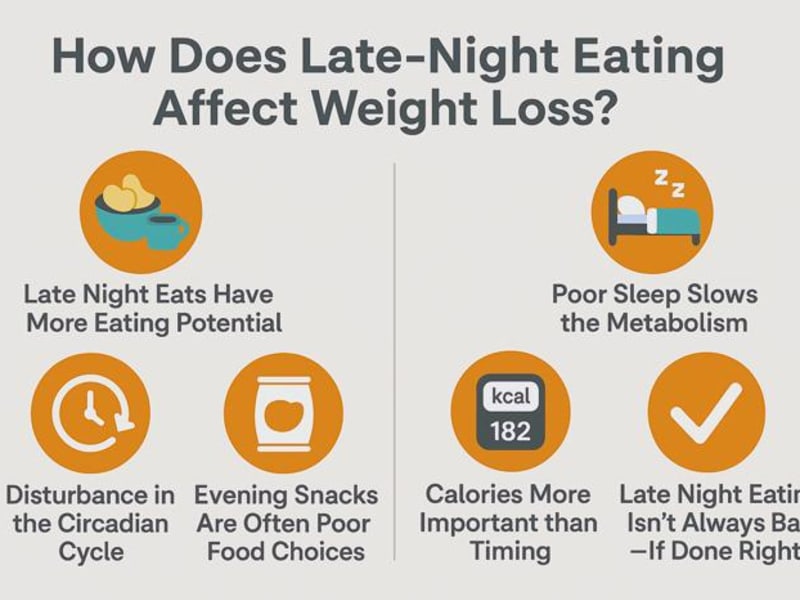
The belief that eating after 8pm automatically causes weight gain is pervasive — but the reality is more nuanced. Circadian biology, food choices, and total caloric intake all interact in ways that make the question far more interesting than a simple yes or no.
April 14, 2026