

Emergency & Help
24/7 Emergency & General Advisory
🚨 24/7 Medical Emergency
Non-Emergency Advisory
10:00 AM – 6:00 PM, Mon–Sat
For appointments & general queries.
24/7 Emergency & General Advisory
🚨 24/7 Medical Emergency
Non-Emergency Advisory
10:00 AM – 6:00 PM, Mon–Sat
For appointments & general queries.
Discover the benefits and essential safety tips for running in winter. Learn how to dress, prepare, and stay motivated to keep your fitness routine going through the colder months.

As the temperatures drop and the days shorten, the idea of staying indoors with a warm cup of chai might seem incredibly appealing. For many, winter becomes a season of reduced physical activity, with outdoor exercise often put on the back burner. However, what if we told you that running in the winter isn't just possible, but can actually be incredibly beneficial for your health? Research suggests that many people use winter weather as an excuse to skip their workouts, but with the right preparation and approach, you can continue to enjoy the numerous advantages of running, even when the mercury plummets. Why Brave the Winter Cold for a Run? The Surprising Benefits You might be wondering, why would anyone choose to run when it's cold? The answer lies in a host of health benefits that are unique to winter exercise. Firstly, running outdoors during winter can significantly boost your exposure to Vitamin D, a vital nutrient that many of us are deficient in, especially during the darker months. This vitamin plays a key role in bone health, immune function, and even mood regulation. Furthermore, consistent physical activity, like running, is recommended by health authorities such as the Centers for Disease Control and Prevention (CDC). Adults typically need around 150 minutes of moderately intense aerobic activity or 75 minutes of vigorous exercise each week. A couple of brisk runs outdoors can help you easily meet these targets, keeping your cardiovascular system strong and your body active. Interestingly, studies have shown that exposure to cooler temperatures can have metabolic advantages. A 2014 study indicated that men who experienced cooler overnight temperatures for a month showed a significant increase in brown fat. Brown fat is beneficial because it burns calories to generate heat, unlike white fat, which stores energy. This means that running in the cold might even give your metabolism a gentle nudge! Safety First: Essential Preparations for Your Winter Runs While the benefits are compelling, safety must be your top priority when lacing up your running shoes for a winter excursion. It’s not simply a matter of throwing on a jacket and heading out the door. Careful planning and appropriate gear are essential to ensure a safe and enjoyable experience. Think of it like preparing for any adventure; the more you prepare, the smoother it will go. Check the Weather Forecast Diligently Before you even think about stepping outside, make it a habit to check the weather forecast. This isn't just about knowing the temperature; it's also about understanding wind chill, potential precipitation like rain or snow, and how these factors might affect the safety of your running path. An icy path can turn a routine run into a hazardous one. Dress Smart with Layers The golden rule of winter running attire is layers, layers, layers ! This allows you to adapt to changing body temperatures during your run. Start with a base layer that wicks away moisture, add a middle insulating layer for warmth, and finish with an outer layer that protects you from wind and precipitation. As you warm up and start to sweat, you can shed a layer. When you cool down or stop, you can put it back on to prevent getting chilled. Remember, you'll generate a lot of heat when you run, so dress as if you're going to be slightly cold when you first step outside. Start Slowly and Build Gradually If you're new to running or returning after a break, resist the urge to immediately sprint. Begin with shorter distances and a slower pace. Gradually increase your endurance and intensity over time. This approach helps your body adapt to the demands of running, especially in colder conditions, and reduces the risk of injury. Enhance Visibility with Reflective Gear Winter days are shorter, and the weather can often be gray and overcast, making it harder for drivers and cyclists to see you. Ensure you wear clothing with reflective elements or add reflective tape to your jacket and shoes. This simple step can make a significant difference in your visibility and safety, especially if you're running near roads. Stay Hydrated, Even When It’s Cold It's easy to forget about hydration when the weather is cold, as you might not feel as thirsty as you do in the summer. However, your body still loses fluids through respiration and sweat. Drink water before your run and consider carrying a small water bottle or hydration pack, especially for longer runs. Staying hydrated helps regulate body temperature and prevents fatigue. Warm-Up and Cool-Down are Non-Negotiable Just as you would in warmer weather, dedicate time for a proper warm-up before you start running and a cool-down afterward. A warm-up prepares your muscles for exercise, increasing blood flow and reducing the risk of strains. A cool-down helps your heart rate return to normal gradually and can aid in muscle recovery. Dynamic stretches are great for warm-ups, while static stretches are better for cool-downs. Inform Someone About Your Plans For safety, always let a friend or family member know where you plan to run and when you expect to be back. This is especially important if you're running alone or in a less populated area. In the unlikely event of an emergency, they'll know where to find you or when to raise the alarm. Protect Your Skin from the Elements Even in winter, your skin is exposed to the elements. If your face and other exposed areas are likely to be in direct contact with the cold air, consider applying a broad-spectrum sunscreen with an SPF of at least 30. The sun's rays can still be strong, and windburn can be uncomfortable. A lip balm with SPF can also protect your lips. Listen to Your Body: When to Cut Your Run Short While running in winter offers many rewards, it's crucial to know your limits and pay attention to your body's signals. If the temperature is extremely low, particularly below 0°F (-17.8°C) with wind chill, it might be wiser to opt for an indoor workout on a treadmill. Pushing yourself in such extreme conditions can be dangerous. Here are some signs that indicate you should stop running and head indoors: Chest pain or tightness Feeling lightheaded or dizzy Severe shortness of breath Numbness or tingling in extremities Signs of hypothermia (shivering, slurred speech, confusion) Suspected muscle injury If you experience any of these symptoms, don't hesitate to stop your run immediately. If you have any concerns, especially regarding chest pain or dizziness, it's always best to consult with your doctor. A Real-Life Scenario: The Determined Runner Consider Meena, a dedicated runner who loves her morning jogs. One winter morning, the temperature dropped significantly, and a light snow began to fall. Instead of cancelling her run, Meena checked the forecast, layered her clothing carefully – including a moisture-wicking base layer, a fleece mid-layer, and a windproof outer jacket – and made sure her reflective vest was visible. She also informed her husband of her usual route and expected return time. By taking these precautions, Meena enjoyed a refreshing, safe run, feeling invigorated by the crisp winter air. Consulting Your Doctor Before Winter Running If you have a history of cardiovascular disease, respiratory issues, or other significant health conditions, it's wise to talk to your doctor before embarking on a regular winter running routine. They can provide personalized advice based on your health status and help you understand any specific precautions you might need to take. Frequently Asked Questions About Winter Running Q1: What are the main risks of running in the winter? The primary risks include cold exposure leading to hypothermia or frostbite, increased chance of slips and falls on icy surfaces, reduced visibility for drivers, and potential exacerbation of pre-existing respiratory or cardiovascular conditions due to cold air. Q2: How can I prevent frostbite when running in the cold? Protect exposed skin by wearing appropriate gear like gloves, a hat, and a scarf or balaclava. Ensure your extremities are well-covered and avoid running in extremely low temperatures or high winds without adequate protection. Pay attention to any numbness or tingling, which are early signs of frostbite. Q3: Is it better to run indoors or outdoors in winter? Both have benefits. Outdoor running offers fresh air, Vitamin D exposure, and metabolic advantages. Indoor running (like on a treadmill) provides a controlled environment, eliminating weather-related risks and allowing for consistent pace. The best choice often depends on the weather conditions, your personal health, and your fitness goals. Q4: How much water should I drink before and during a winter run? While you may not feel as thirsty, hydration is still important. Drink a glass of water about an hour before your run. For runs longer than 30-45 minutes, carry water with you and sip it regularly. Aim for consistent intake throughout the day. Running in winter can be a rewarding experience that keeps you fit and healthy throughout the colder months. By understanding the benefits and taking the necessary safety precautions, you can continue
In summary, timely diagnosis, evidence-based treatment, and prevention-focused care improve long-term health outcomes.
Visit Hospital
Near You

Explore safe and effective skin glow treatment in Kolkata. Learn about popular procedures, benefits, costs, and skincare tips from experts.
May 20, 2026

The superfood label is a marketing construct — but that doesn't mean all the foods wearing it are frauds. Some genuinely deserve the designation based on density of nutrients and breadth of evidence; others are expensive substitutes for far cheaper alternatives. Here's the honest breakdown.
April 14, 2026
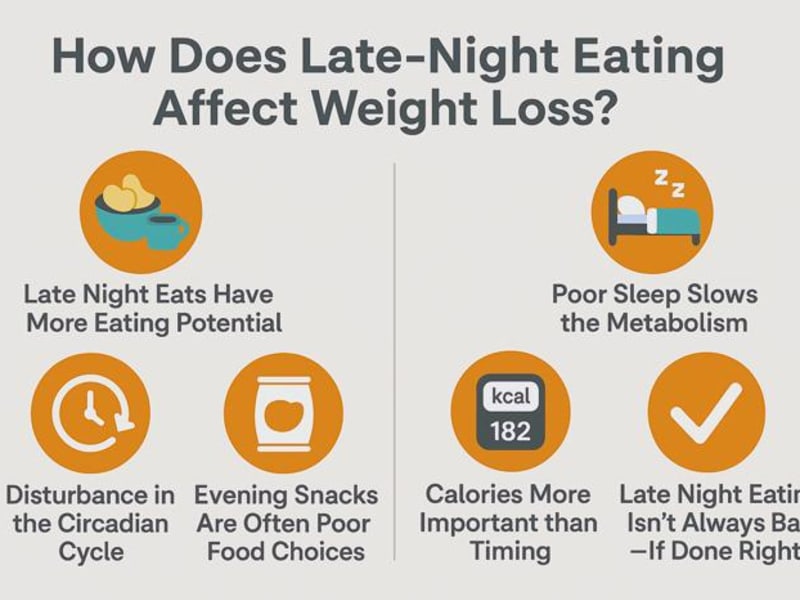
The belief that eating after 8pm automatically causes weight gain is pervasive — but the reality is more nuanced. Circadian biology, food choices, and total caloric intake all interact in ways that make the question far more interesting than a simple yes or no.
April 14, 2026