

Emergency & Help
24/7 Emergency & General Advisory
🚨 24/7 Medical Emergency
Non-Emergency Advisory
10:00 AM – 6:00 PM, Mon–Sat
For appointments & general queries.
24/7 Emergency & General Advisory
🚨 24/7 Medical Emergency
Non-Emergency Advisory
10:00 AM – 6:00 PM, Mon–Sat
For appointments & general queries.
Discover how motherhood can transform your relationship with exercise, shifting focus from intense workouts to mindful movement and self-compassion.

For many of us, exercise has always been about pushing limits. We associate it with sore muscles, intense workouts, and achieving specific goals. But what if that mindset is holding us back? What if exercise isn't about proving our strength, but about learning to listen to our bodies and honor them in every stage of life?
This is the journey one mother of five embarked on, and her story is a powerful reminder that our relationship with physical activity can evolve. It took having her fifth baby to realize that her previous approach to exercise was fundamentally flawed. For years, she believed that harder workouts meant better results. The more pain, the more accomplishment. This led to a cycle of pushing herself to exhaustion, often resulting in soreness so intense she could barely move.
After the birth of her fifth child, something shifted. The intense desire to hit the gym vanished. Instead, she found comfort in staying home, in soft clothes, and in simply holding her new baby. Instead of forcing herself back into her old routine, she made a conscious decision to slow down. She chose to do only what felt right for her body, and in doing so, discovered a new, healthier relationship with exercise. This slow, deliberate process, though at times frustrating, opened her eyes to a profound truth: her previous understanding of exercise was completely wrong.
We often view exercise as a competition, a way to measure our physical capabilities. We celebrate lifting heavy weights, completing grueling runs, or hitting personal bests. This perspective can turn exercise into a performance, a means to prove our worth or escape from daily stresses. However, true exercise, the kind that nourishes our bodies and minds, is something different entirely. It's not about conquering our bodies, but about understanding and respecting them.
The author realized that her previous workouts were often a form of escapism or a way to validate her existence. She felt worthy because she could achieve her fitness goals. But exercise should never be about forcing our bodies into submission or chasing an ideal that doesn't align with our current state. Instead, it should be about healing, about finding balance, and about honoring our bodies' needs.
This shift in perspective means understanding when to push and when to rest. It means recognizing that intense exertion isn't always the answer. Sometimes, the most beneficial action is to slow down, to recover, and to simply be present with our bodies. This is especially true during significant life changes like pregnancy, postpartum recovery, or dealing with illness.
Imagine a new mother, exhausted from sleepless nights and the demands of a newborn. She might feel pressure to
Most people do not notice early warning signs right away. That is common. A simple symptom diary, basic routine checks, and timely follow-up visits can prevent small problems from becoming serious.
If you are already on treatment, stay consistent with medicines and lifestyle advice. If your symptoms change, do not guess. Check with a qualified doctor and update your plan early.
Write down symptoms, triggers, and timing for a few days.
Carry old prescriptions and test reports to your consultation.
Ask clearly about side effects, red-flag signs, and follow-up dates.
Seek urgent care for severe pain, breathing trouble, bleeding, fainting, or sudden worsening.
Visit Hospital
Near You

Explore safe and effective skin glow treatment in Kolkata. Learn about popular procedures, benefits, costs, and skincare tips from experts.
May 20, 2026
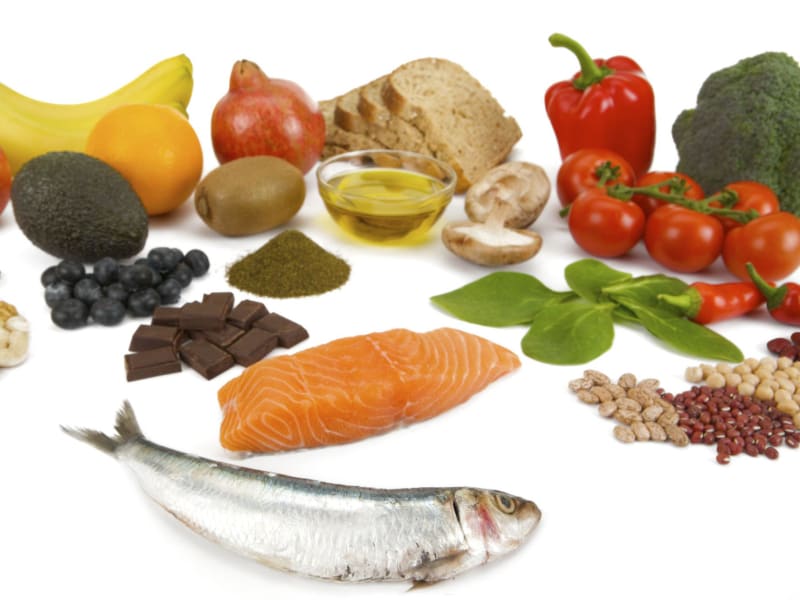
The superfood label is a marketing construct — but that doesn't mean all the foods wearing it are frauds. Some genuinely deserve the designation based on density of nutrients and breadth of evidence; others are expensive substitutes for far cheaper alternatives. Here's the honest breakdown.
April 14, 2026
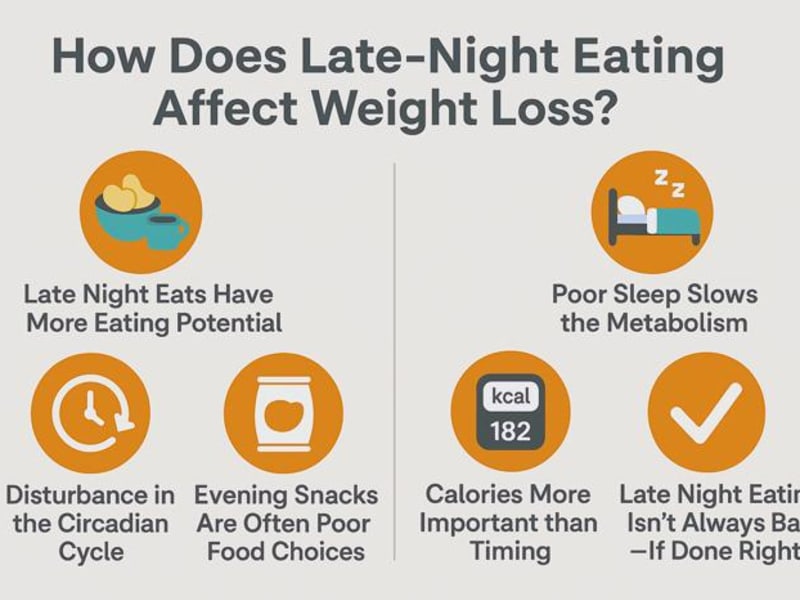
The belief that eating after 8pm automatically causes weight gain is pervasive — but the reality is more nuanced. Circadian biology, food choices, and total caloric intake all interact in ways that make the question far more interesting than a simple yes or no.
April 14, 2026