

Emergency & Help
24/7 Emergency & General Advisory
🚨 24/7 Medical Emergency
Non-Emergency Advisory
10:00 AM – 6:00 PM, Mon–Sat
For appointments & general queries.
24/7 Emergency & General Advisory
🚨 24/7 Medical Emergency
Non-Emergency Advisory
10:00 AM – 6:00 PM, Mon–Sat
For appointments & general queries.
Learn how to safely train to hold your breath longer. Understand the body's response, potential risks, and effective techniques for improving breath-holding capacity.

Have you ever wondered how long you could hold your breath? For most of us, it’s somewhere between 30 seconds and a couple of minutes. It’s a fascinating bodily function, and surprisingly, there are ways to train yourself to hold your breath for longer, safely. While it might sound like a party trick, understanding how to do this can be a life-saving skill in certain emergencies, like falling into water. Let’s explore what happens in your body when you hold your breath, the potential risks involved, and how you can improve your breath-holding capacity without putting yourself in danger.
When you consciously decide to hold your breath, your body initiates a series of responses to conserve oxygen. Here’s a rough timeline of what occurs:
Prolonged periods of low oxygen followed by breathing in high levels of oxygen can lead to the buildup of harmful reactive oxygen species (ROS). These can damage your DNA and cells, potentially leading to brain damage, as seen with a protein called S100B that can cross the blood-brain barrier when cells are damaged.
While training to hold your breath can offer benefits, it’s crucial to be aware of the dangers. Pushing your limits without proper preparation can lead to serious health issues:
Yes, it is possible to die from holding your breath, especially if you are underwater. When you lose consciousness, your body’s automatic breathing reflex kicks in. If you are submerged, this involuntary gasp can lead to inhaling a large volume of water. While emergency medical intervention like CPR or having the water removed from your lungs can sometimes save a person, drowning is a significant risk in these situations.
Improving your breath-holding ability requires a gradual and mindful approach. The goal is to train your body to tolerate higher levels of CO₂ and become more efficient at using oxygen.
Most of us take shallow chest breaths. To hold your breath longer, you need to master diaphragmatic breathing. This means focusing on filling your belly with air, not just your chest. When you inhale deeply, your belly should expand outwards. A full, deep inhalation can take around 20 seconds.
Practice: Sit or lie down comfortably. Place one hand on your chest and the other on your belly. Inhale slowly through your nose, focusing on making your belly rise while keeping your chest relatively still. Exhale slowly through your mouth. Repeat this several times a day.
Oxygen tables are a training method used by freedivers. They help your body adapt to lower oxygen levels and higher CO₂ levels. A basic oxygen table involves a cycle of breath-holding and normal breathing.
Example Routine:
Important Note: Never practice oxygen tables or any breath-holding techniques in water, or while lying down if you are prone to blacking out. Always have someone present who can assist you if needed.
This involves consciously increasing the CO₂ levels in your body. You can do this by taking a deep breath, exhaling normally, and then holding your breath for as long as you comfortably can. The urge to breathe will be your CO₂ levels rising. The key is to relax and accept the discomfort, rather than fighting it.
Imagine you’re on a boat trip with friends, and you accidentally slip and fall into the water. It’s a shock, and your instinct might be to panic and inhale. However, if you’ve practiced breath-holding, you can remain calm, avoid inhaling water immediately, and focus on conserving energy to swim safely to the boat or shore. This ability, honed through safe practice, could be the difference between a scary incident and a genuine emergency.
Beyond the potential for saving a life in an emergency, why would someone want to hold their breath longer? While there aren’t many everyday benefits, mastering this skill can:
If you experience any of the following, it’s essential to speak with a healthcare professional:
A Word of Caution: Holding your breath for extended periods is not a daily activity for most people. It’s a skill that requires respect for your body’s limits and careful training. Always prioritize safety and listen to your body.
With consistent and safe practice, most people can improve their breath-holding ability. However, individual capacity varies greatly due to factors like lung capacity, physical fitness, and mental discipline.
Absolutely not. Practicing breath-holding in water, even in a shallow pool, is extremely dangerous. The risk of blacking out and drowning is very high. Always practice on land and with a spotter.
World records are extreme (over 24 minutes!), but for recreational freedivers and trained individuals, holding one’s breath for 3 to 5 minutes is achievable. However, this requires dedicated training and is not typical for the average person.
Free diving is a sport that involves diving underwater on a single breath. It requires extensive training in breath-holding techniques, equalization, and safety procedures. Simply holding your breath for longer periods on land is a basic skill, whereas free diving is an advanced discipline.
Visit Hospital
Near You

Explore safe and effective skin glow treatment in Kolkata. Learn about popular procedures, benefits, costs, and skincare tips from experts.
May 20, 2026
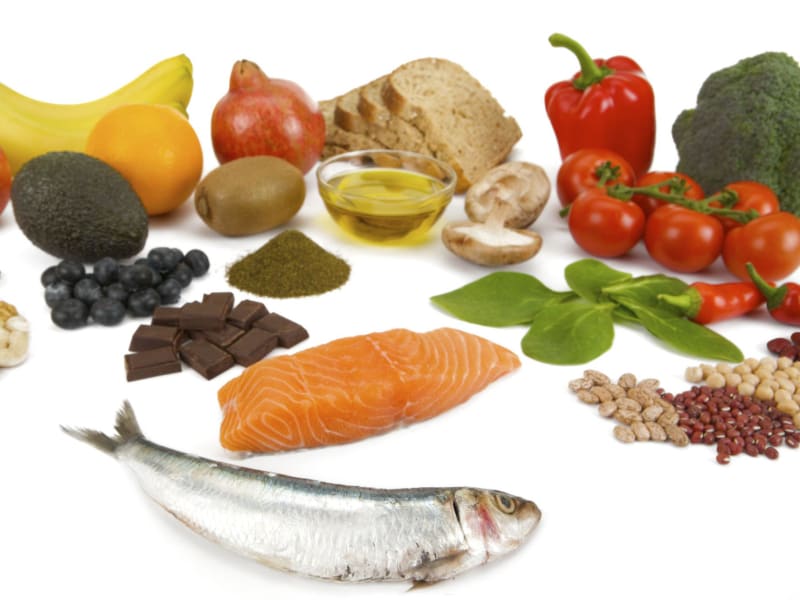
The superfood label is a marketing construct — but that doesn't mean all the foods wearing it are frauds. Some genuinely deserve the designation based on density of nutrients and breadth of evidence; others are expensive substitutes for far cheaper alternatives. Here's the honest breakdown.
April 14, 2026
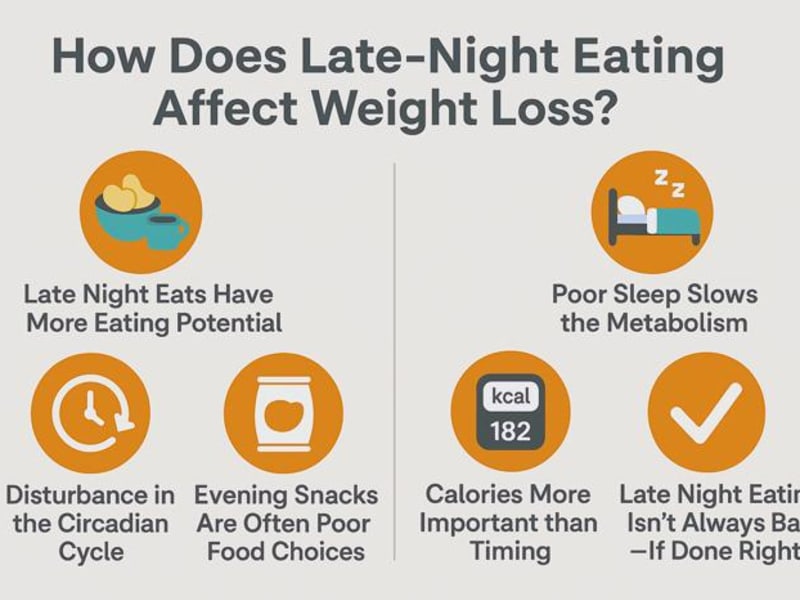
The belief that eating after 8pm automatically causes weight gain is pervasive — but the reality is more nuanced. Circadian biology, food choices, and total caloric intake all interact in ways that make the question far more interesting than a simple yes or no.
April 14, 2026