So, you've decided to embrace the joy and benefits of running! That's fantastic! Whether you're dreaming of crossing a 5K finish line or simply want to boost your fitness and well-being, starting a running routine can feel a bit daunting. But don't worry, we're here to guide you every step of the way. This guide is crafted with you, the Indian reader, in mind, offering practical advice to get you moving safely and enjoyably.
Why Start Running? The Amazing Benefits
Running is more than just a physical activity; it’s a powerful tool for enhancing your overall health. Regular running can lead to:
- Improved Cardiovascular Health: Your heart becomes stronger, improving blood circulation and reducing the risk of heart disease.
- Weight Management: Running is an excellent calorie burner, aiding in maintaining a healthy weight.
- Stronger Bones and Muscles: It strengthens your leg muscles, core, and even your bones, reducing the risk of osteoporosis.
- Enhanced Mental Well-being: The 'runner's high' is real! Running releases endorphins, which can reduce stress, anxiety, and improve your mood.
- Increased Energy Levels: While it might seem counterintuitive, regular exercise like running actually boosts your energy levels throughout the day.
Getting Started: What You Need
You might think all you need is a pair of shoes, but a little preparation goes a long way in making your running experience positive and injury-free. Here’s what we recommend:
1. The Right Running Shoes: Your Foundation
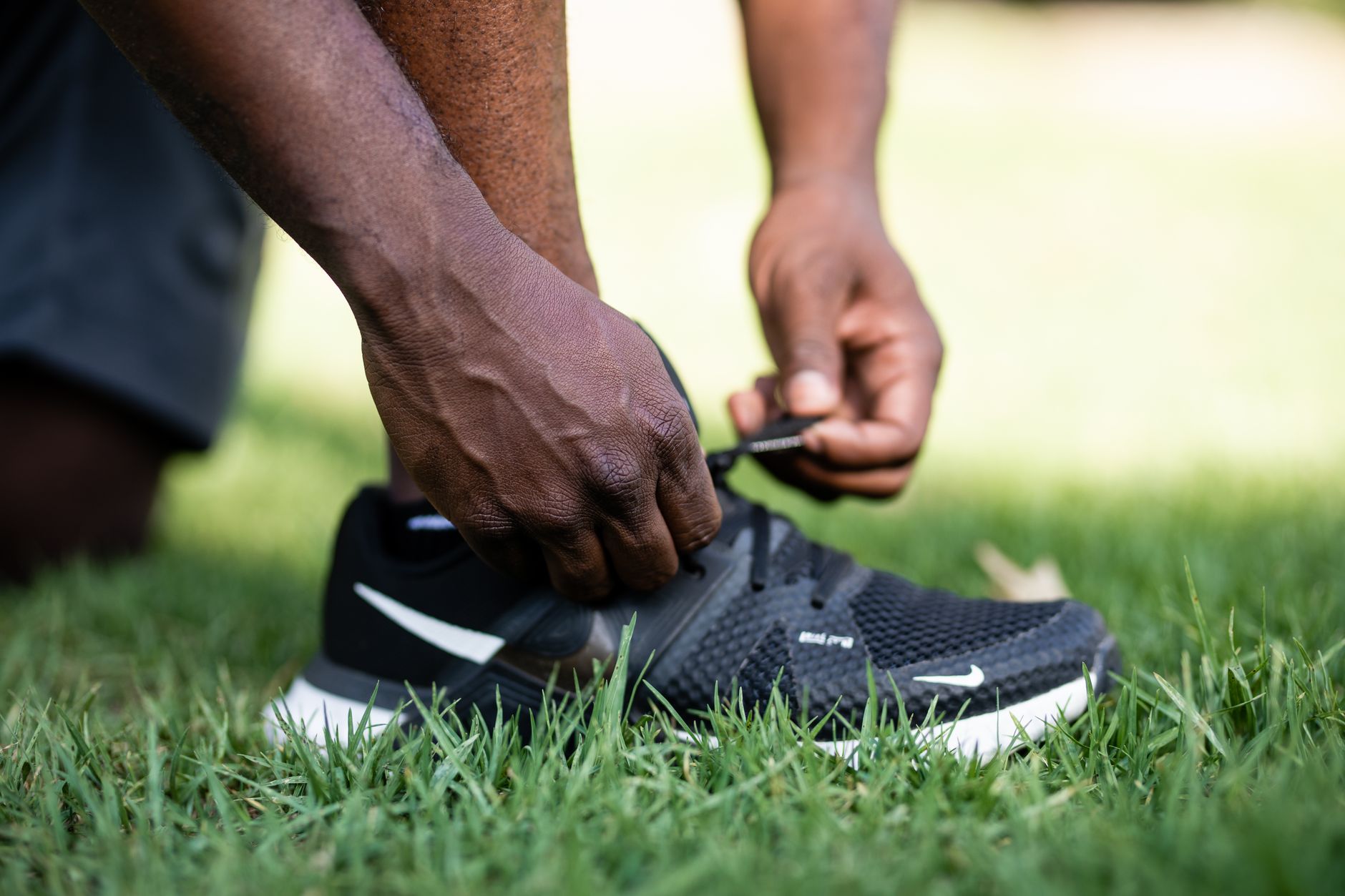
This is perhaps the most important investment you'll make. Regular sneakers won't cut it! Running shoes are designed to provide cushioning, support, and shock absorption, protecting your feet and joints.
What to look for:
- Fit: Your shoes should feel comfortable from the moment you try them on. There should be about a thumb’s width of space between your longest toe and the end of the shoe.
- Support: Consider your foot type. Do you have flat feet, high arches, or neutral arches? Some shoes offer more support for pronation (inward rolling of the foot). If possible, visit a specialty running store where experts can assess your gait and recommend the best fit.
- Cushioning: A good amount of cushioning helps absorb impact, especially important for beginners.
Scenario: Priya, a software engineer in Bangalore, felt a sharp pain in her shins after just a week of trying to run in her old sports shoes. After visiting a running store, she learned her shoes lacked proper support and cushioning, leading to shin splints. Investing in a good pair of running shoes made a world of difference.
2. Comfortable, Breathable Clothing
Choose attire that allows your skin to breathe and wicks away sweat. Cotton clothing can become heavy and damp, leading to chafing.
- Fabric: Look for synthetic materials like polyester or nylon blends that are designed for athletic wear.
- Layers: Especially if you live in a cooler climate or run early in the morning, dressing in layers allows you to adjust your clothing as you warm up.
- Socks: Invest in cushioned, moisture-wicking socks made for running. Avoid regular cotton socks.
- Sports Bra: For women, a supportive sports bra is non-negotiable for comfort and preventing discomfort.
3. Hydration is Key
Carry a water bottle, especially for longer runs. Staying hydrated is crucial for performance and preventing fatigue.
Your First Running Schedule: Building Stamina Safely
The key to starting is consistency, not intensity. Aim for two to three runs per week, allowing your body to recover on off days. Gradually increase your mileage and intensity to avoid injury.
A Sample Beginner's Week
This plan focuses on a run/walk approach, which is excellent for building endurance and confidence.
- Monday: Run 2 miles. Use a run/walk technique. For the first mile, run for 1 minute, walk for 1 minute. For the second mile, try running for 90 seconds, then walk for 1 minute.
- Thursday: Run 2 miles. Again, use the run/walk technique. Aim to slightly increase your running intervals if you feel comfortable. For the first mile, run for 1 minute, walk for 1 minute. For the second mile, run for 90 seconds, walk for 1 minute.
- Saturday: Cross-training or Active Recovery. Do 30 to 60 minutes of another low-impact cardio activity like brisk walking, cycling, or swimming. This helps build overall fitness without stressing the same muscles.
Important Note: Listen to your body! If you feel pain, rest. It's better to take an extra rest day than to push through and get injured.
Progressing Your Running Routine
Once you feel comfortable with the initial schedule, you can gradually increase your running time and distance. A common guideline is to increase your weekly mileage by no more than 10% at a time.
Here’s how you might progress over a few weeks:
- Weeks 1-2: Follow the sample plan above.
- Weeks 3-4: On Saturday, swap the cross-training for a 3-mile run using the run/walk method.
- Weeks 5-6: Continue with the 3-mile run on Saturday, but try to run with minimal walking breaks.
Many beginner 5K training plans are 6 to 10 weeks long. These plans provide a structured way to build up to running a continuous 5K (approximately 3.1 miles).
Staying Motivated on Your Running Journey
Motivation can ebb and flow. Here are some tips to keep you inspired:
- Set Realistic Goals: Start small and celebrate your progress.
- Find a Running Buddy: Training with a friend can provide accountability and make runs more enjoyable.
- Explore New Routes: Discovering new parks or paths can keep things interesting.
- Listen to Music or Podcasts: Create a playlist of your favorite upbeat songs or listen to engaging podcasts to pass the time. Just be mindful of your surroundings – consider using only one earbud in traffic areas.
- Track Your Progress: Use a fitness tracker or a simple app to log your runs. Seeing how far you’ve come can be incredibly motivating.
- Reward Yourself: Acknowledge milestones with small rewards, like new running gear or a healthy treat.
Injury Prevention: Running Smart
The biggest mistake beginners make is doing too much, too soon. This often leads to common running injuries like shin splints, plantar fasciitis, or knee pain.
- Gradual Progression: Stick to the 10% rule for increasing mileage.
- Warm-up: Always start your run with 5-10 minutes of brisk walking or dynamic stretching (like leg swings and high knees).
- Cool-down: Finish your run with 5-10 minutes of walking and static stretching (holding stretches for 30 seconds) to improve flexibility.
- Rest: Adequate rest is as important as the running itself. Your muscles need time to repair and strengthen.
- Listen to Your Body: Don't ignore pain. If something hurts, stop and assess.
When to Consult a Doctor or Specialist
While running is generally safe and beneficial, it's wise to seek professional advice if you experience:
- Persistent pain that doesn't improve with rest.
- Sudden, sharp pain during or after a run.
- Any concerns about your heart health before starting a new exercise program.
- Recurring injuries that hinder your progress.
A sports medicine doctor or a physiotherapist can help diagnose issues and create a tailored rehabilitation plan.
Frequently Asked Questions (FAQ)
Q1: How often should I run as a beginner?
Start with 2-3 times per week, allowing at least one rest day between runs. This gives your body time to recover and adapt.
Q2: What's the best time of day to run?
The best time is when you can consistently fit it into your schedule. Some prefer early mornings to beat the heat and crowds, while others enjoy evening runs to de-stress. Experiment and find what works best for you.
Q3: Can I run every day?
As a beginner, it's not recommended to run every day. Your body needs rest to build strength and prevent injuries. Gradually increasing frequency is key, but daily running should only be considered after building a solid foundation and with proper recovery strategies.
Q4: How long should my runs be?
Begin with shorter durations, perhaps 20-30 minutes including walk breaks. Focus on time on your feet rather than distance initially. As you progress, you can gradually increase the duration or distance.
Starting a running routine is a journey, not a race. Be patient with yourself, stay consistent, and enjoy the process. Happy running!